The Winter Flock Menu
Cold Weather Diets & Nutrition for Your Backyard Flock

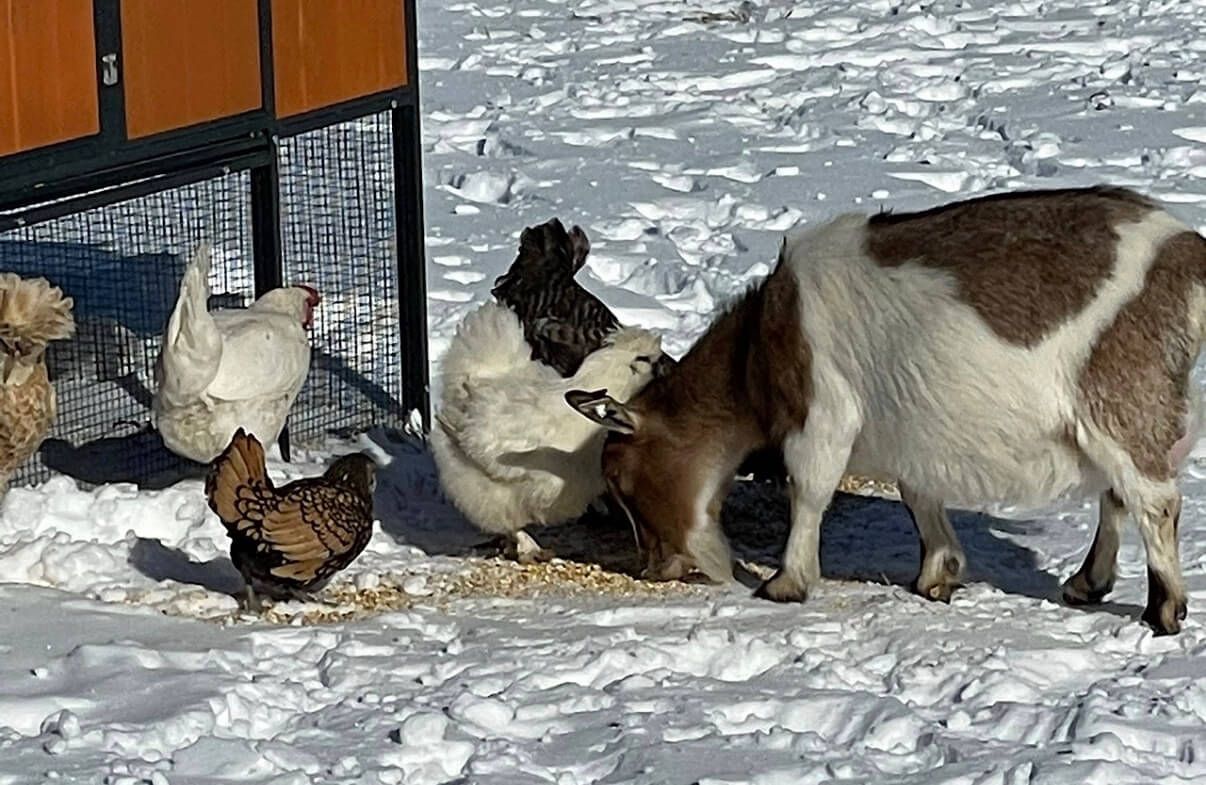
As winter approaches, backyard flock owners often begin wondering whether their chickens need a different diet. The answer depends on the climate, the condition of the birds, and whether they are molting or continuing to lay.
Although chickens do not necessarily need an entirely new winter menu, seasonal changes can affect how much they eat and how their bodies use that nutrition.
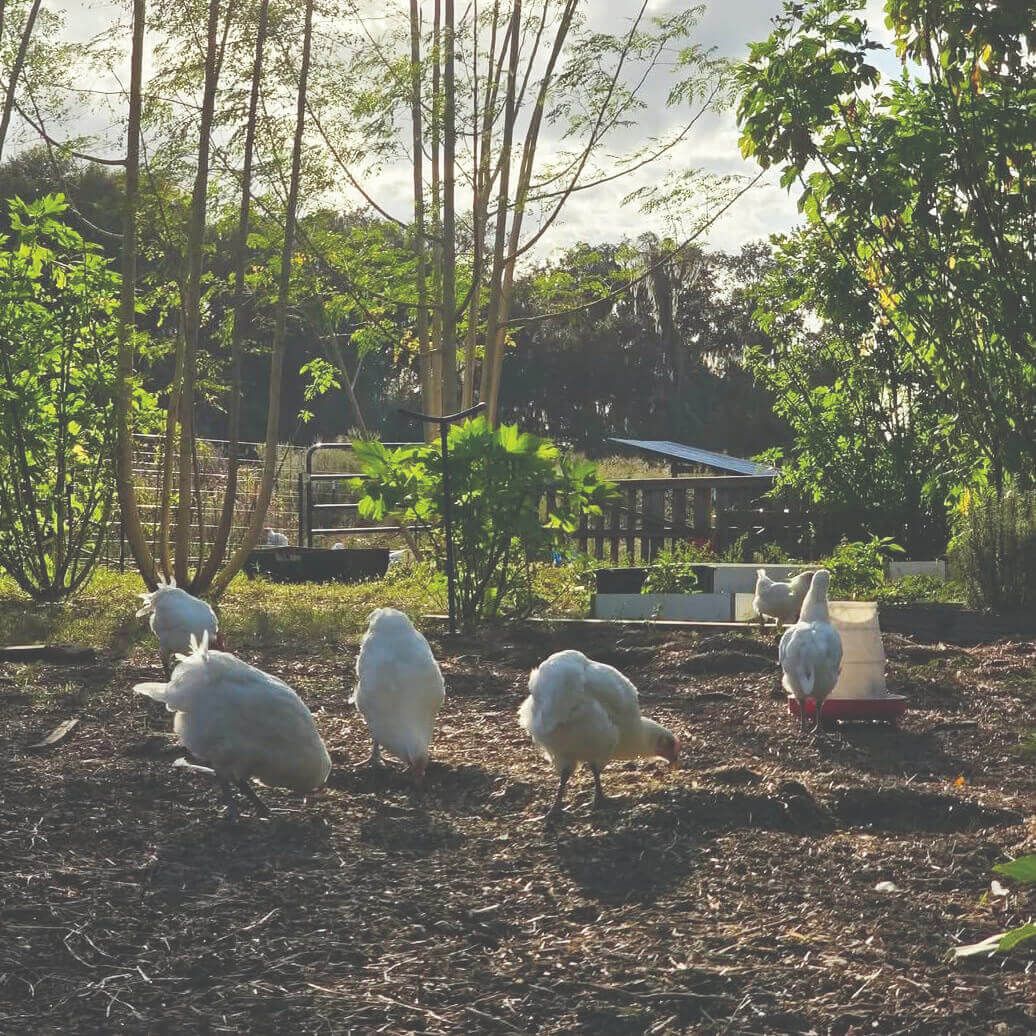
Even here in Florida, winter changes the rhythm of the farm. Pastures grow more slowly, insects become less plentiful, daylight hours decrease, and egg production may drop. In colder regions, chickens also use additional energy to maintain their body temperature. Understanding these changes can help you support your flock without overcomplicating its diet.
A Balanced Feed Comes First
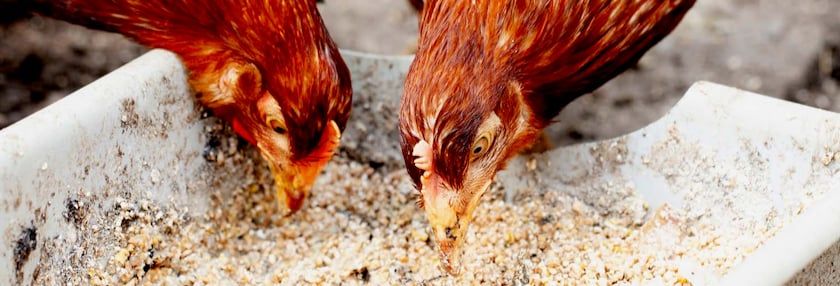
The foundation of a flock’s winter diet should always be a complete poultry feed formulated for the birds’ age and purpose. A balanced feed provides the protein, carbohydrates, fats, vitamins, and minerals chickens require in the correct proportions.
Chicks and young birds need a starter or grower ration. Laying hens need adequate protein and calcium to support egg production. Mixed flocks containing hens, roosters, and birds of different ages may benefit from an all-flock feed, with oyster shell provided separately for laying hens.
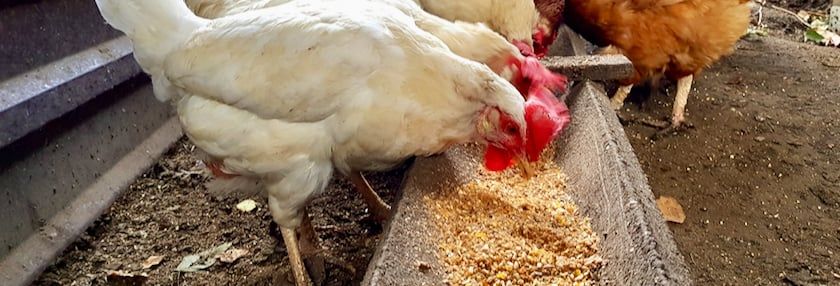
During colder weather, chickens may naturally consume more feed. Their bodies burn energy to remain warm, particularly at night and during prolonged cold spells. Keeping feeders filled and accessible allows birds to adjust their intake according to their needs.
This is also why treats should not replace a balanced ration. Chickens may eagerly eat scratch grains, bread, or kitchen scraps, but enjoying a food does not mean it provides complete nutrition. When birds fill up on treats, they consume less of the feed that supplies the nutrients necessary for feather growth, immune function, and egg production.
Supporting Birds Through the Molt
Many chickens molt during the fall or early winter. During this process, old feathers are shed and replaced with new ones. Because feathers are primarily composed of keratin, a type of protein, growing a new set places significant nutritional demands on the bird.
Molting chickens may appear rough, lose some body condition, become quieter, or temporarily stop laying. Egg production commonly decreases because the body redirects nutrients toward feather growth.
A quality feed with an appropriate protein level is often sufficient. During a particularly heavy molt, some flock owners temporarily transition to a higher-protein ration. Small amounts of cooked egg, mealworms, black soldier fly larvae, or plain cooked meat can also provide supplemental protein.
However, adding more protein is not always better. Supplements should complement the primary diet rather than replace it. A bird cannot live on mealworms alone, regardless of how enthusiastically she may disagree.
Scratch Grains & Cold Weather
Offering scratch grain on a cold evening is a familiar winter practice.
Grain provides carbohydrates, and the process of eating and digesting it can contribute to heat production. Scattering a small amount in clean bedding also encourages chickens to scratch and forage when winter weather limits their normal activity.
Still, scratch grain is a treat rather than a nutritionally complete feed. Large amounts can dilute the overall quality of the diet. Offer it after the flock has eaten its regular ration, and keep scratch, scraps, and other treats to approximately 10% or less of the total diet.
Corn is often described as a food that “heats chickens up.” It does provide energy, but it does not function as an internal heater or replace proper shelter. Chickens still need a dry, well-ventilated coop that protects them from wind, rain, and direct drafts.
Calcium, Grit, & Winter Egg Production
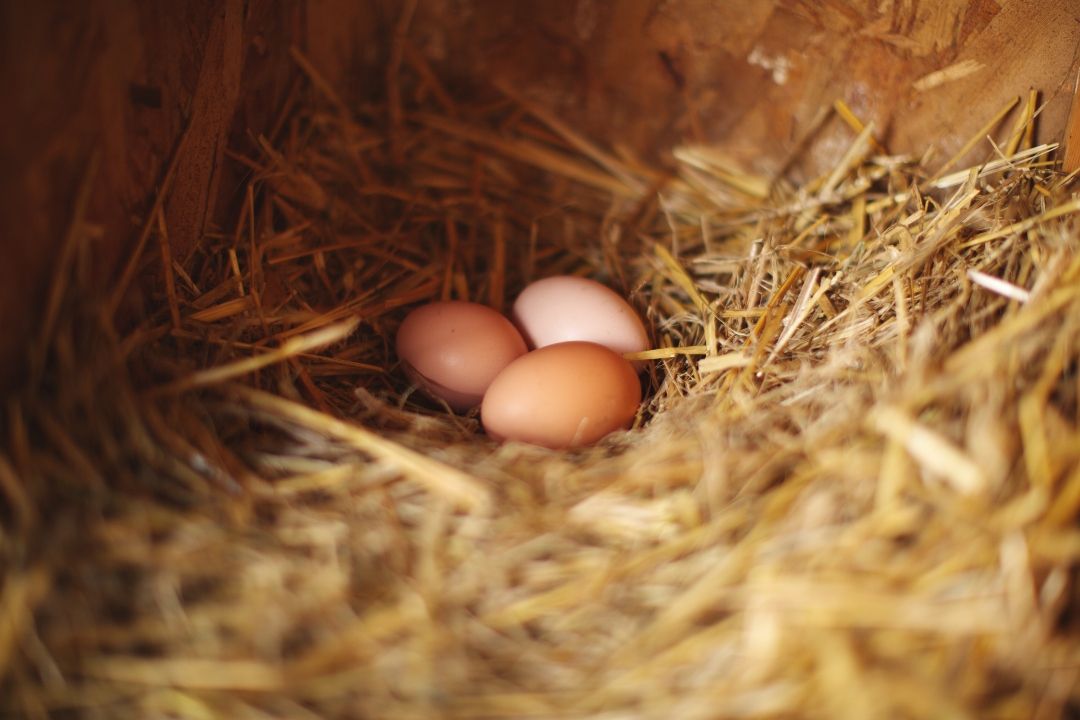
Shorter daylight hours naturally reduce egg production in many hens, but birds that continue laying still require calcium. Oyster shell can be offered free-choice in a separate container, allowing each hen to consume what she needs. This is particularly useful in mixed flocks fed an all-flock ration.
Grit is different from oyster shell and serves another purpose. Insoluble grit remains in the gizzard and helps chickens grind whole grains, fibrous vegetation, and other coarse foods. Birds consuming only a commercially prepared ration may use very little additional grit, but it should be available when the flock receives whole grains, pasture plants, or kitchen scraps.
Neither oyster shell nor grit should be mixed indiscriminately into the feed. Providing them separately gives birds greater control of their intake.
Water: The Forgotten Nutrient
Fresh water is just as important in winter as it is during summer. Chickens may reduce their feed intake and stop laying if they cannot drink enough. Dehydration can occur during cold weather, particularly when water freezes, and owners assume the flock is drinking less.
In freezing climates, waterers may need to be checked several times each day or placed on a safely installed heated base. Electrical cords and heating equipment should be protected from moisture, rodents, and curious birds.
Water placement also matters. Spilled water can create wet bedding, raising humidity inside the coop. Excess moisture combined with cold temperatures increases the risk of frostbite and may contribute to respiratory problems. Waterers should remain accessible while being positioned where spills will not soak the birds’ sleeping area.

Nutritious Enrichment for Confined Flocks
When snow, rain, or muddy conditions keep chickens from ranging, boredom can lead to feather picking and conflict. Food-based enrichment gives the flock an appropriate outlet for natural pecking and scratching behaviors.
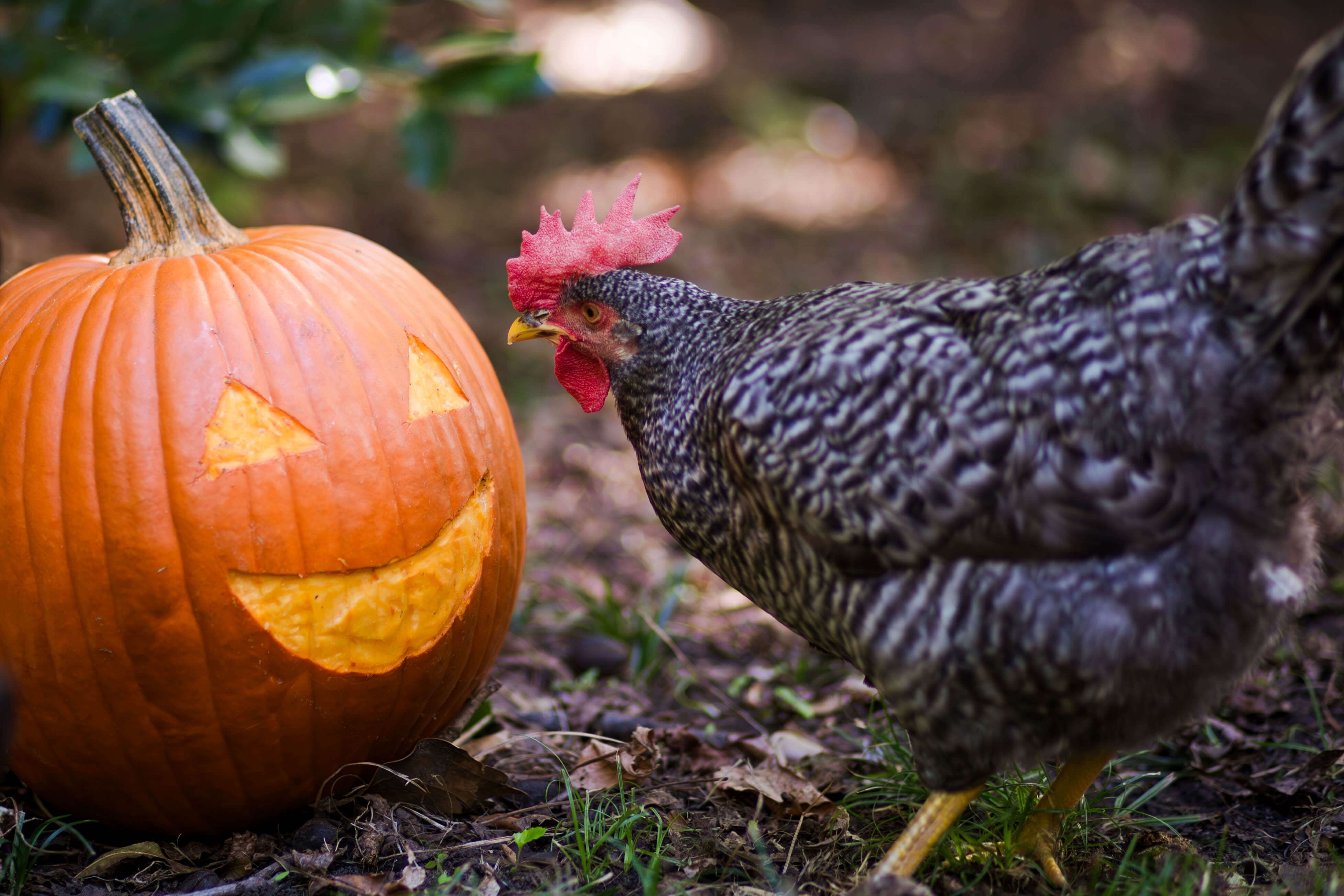
Leafy greens, cabbage, pumpkin, squash, carrots, and other flock-safe vegetables can add variety. A cabbage hung securely in the run may entertain chickens for hours. Tossing a small quantity of grain into clean bedding encourages them to work for the treat instead of consuming it all at once.
Avoid moldy or spoiled food, heavily salted leftovers, sugary foods, and large amounts of bread or pasta. Chickens can eat many different foods, but they are not disposal systems for everything left in the refrigerator.
Watch the Birds in Front of You
No single winter feeding plan fits every flock. Breed, age, body condition, egg production, climate, housing, and access to pasture all influence a chicken’s nutritional needs.
Feathers can conceal weight loss, so periodically feel the breast area and monitor body condition. Pay attention to birds that are being pushed away from feeders or spending more time alone. Sudden weight loss, weakness, persistent diarrhea, breathing changes, or a loss of appetite should not automatically be blamed on winter.
The best winter nutrition plan is usually the simplest: begin with a complete feed, maintain dependable access to fresh water, offer calcium and grit when appropriate, and use treats purposefully. Combined with dry shelter and regular observation, these basics will help your backyard flock remain healthy and prepared for the return of spring.
Tags:Feed 4 Thought










Chicken Whisperer is part of the Catalyst Communications Network publication family.