Holiday Treats & Toxic Foods
A Guide for Backyard Chicken Keepers

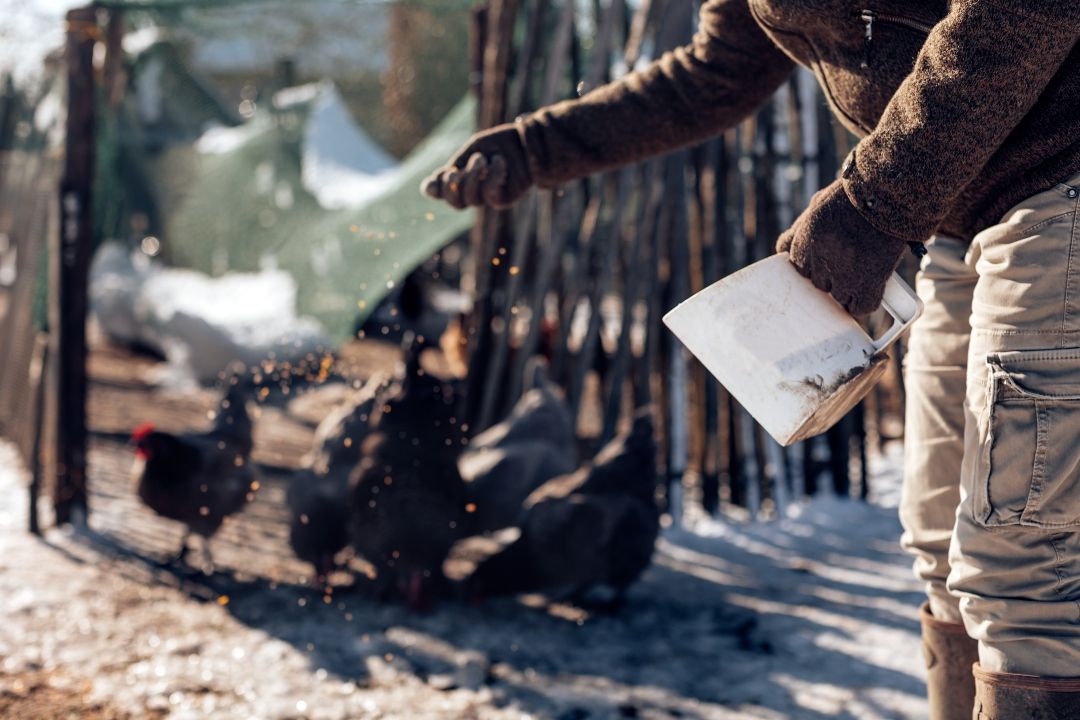
The holidays bring warmth, joy and abundant food, and it’s natural to want to share with every family member, including your backyard flock. But many common holiday foods are harmful or even toxic to chickens. With a little knowledge, you can keep your flock healthy through the holidays and beyond.
The Naughty List: Holiday Foods to Avoid
To keep your flock safe, it's essential to know which treats are off-limits. This "do not feed" list covers some of the most common holiday culprits that can cause serious harm to your chickens.
Onions, Garlic & Alliums: These are often hidden ingredients in stuffing, gravies and savory dishes. Dr. Sabrina Kong, doctor of veterinary medicine, warns that this family of plants is a top offender. "Pretty much anything from the allium family, which includes onions, garlic and chives, can cause hemolytic anemia in chickens, damaging their red blood cells," she explains. Homesteader Chelsea Gregori of Grow Where You Sow points to green bean casserole as a specific example, noting the high amount of onion it contains can affect egg taste and cause anemia.
Chocolate & Sugary Desserts: Theobromine in chocolate is toxic to chickens, and desserts high in sugar can cause digestive upset.
Avocado Pits & Skins: These parts of the avocado contain a toxin called persin. For chickens, ingesting persin can lead to severe respiratory distress and even heart failure.
Raw Potato Peels (Especially Green Ones): As Gregori explains, "Potato peels contain a toxin called solanine." This natural toxin, found in nightshade plants, is particularly concentrated in green potato skins and can be harmful if consumed in large quantities. She also notes that raw, fibrous skins can lead to an impacted crop.
Anything Overly Salty or Processed: A chicken's system is not designed to handle high levels of salt or processed fats. Tina Hines, owner of Cluck It All Farms, puts it bluntly: "Everyone watches out for chocolate, but the real danger is in the stuffing, literally. Onions, leftover gravy and even raw bread dough are way more likely to end up in the chicken run, and they can seriously hurt your birds." These foods can lead to dehydration and kidney problems.
Dairy and Rich Foods: Chickens have difficulty processing dairy. "Chickens lack the lactase enzyme, which people rely on to process dairy," says Gregori. "Feeding excessive amounts of dairy to chickens can sometimes lead to bloating, diarrhea and even liver damage if they ingest too much."
Dried or Raw Beans: Uncooked beans contain hemagglutinin, a natural insecticide that can be toxic and even fatal to chickens unless they are thoroughly cooked.
Raw Bread Dough: As Hines mentioned, raw bread dough is a surprising hazard. The yeast can expand in a chicken's warm crop, causing blockage, fermentation and alcohol poisoning.
Safer Substitutes: Flock-Friendly Holiday Snacks
Sharing treats with your flock can still be part of the holiday fun. You just need to choose safe and healthy alternatives.
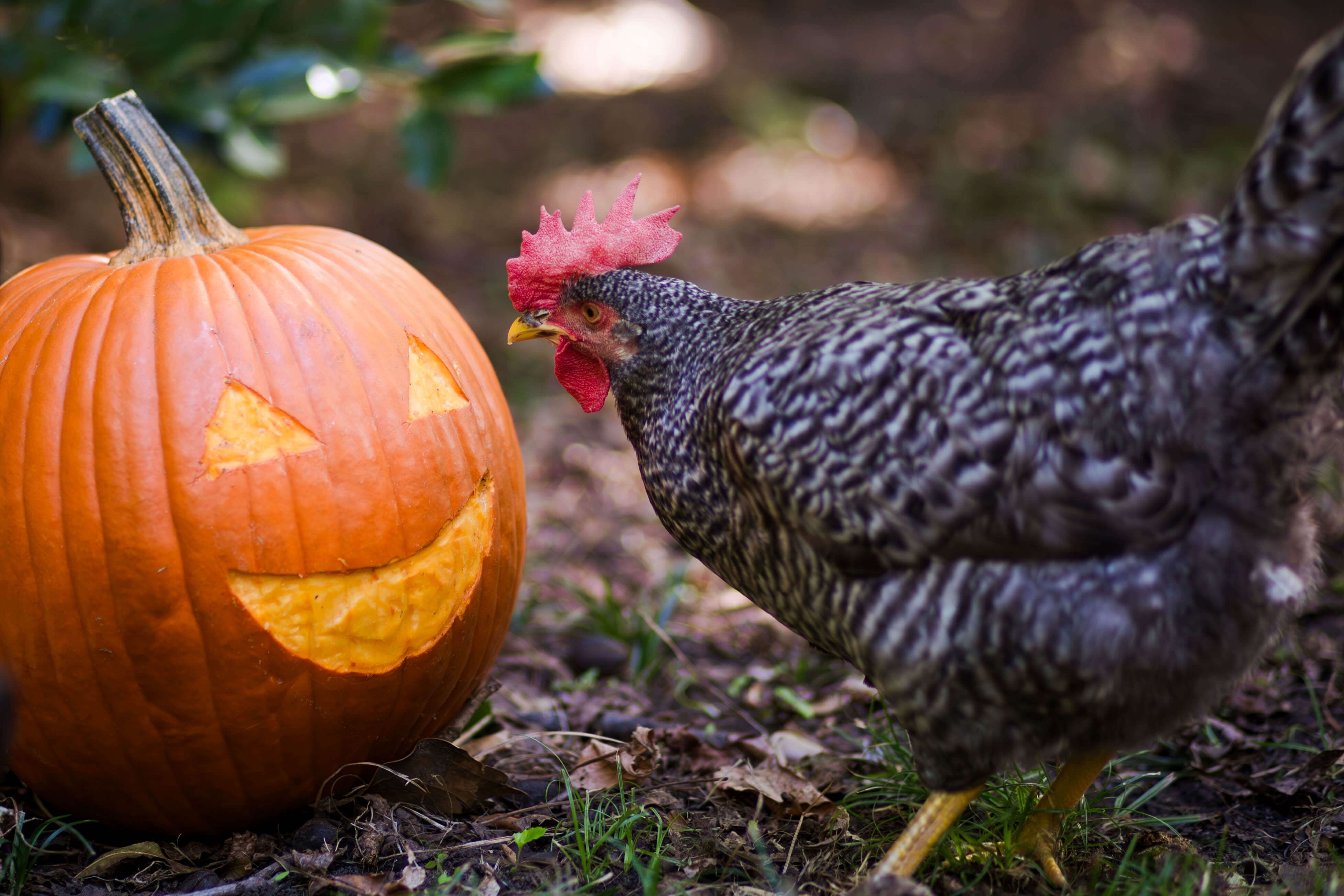
Pumpkin and Squash: This is a universal favorite among chickens and experts alike. "Pumpkin! My flock loves pecking a jack-o'-lantern," says Kristin Jordan, the Florida Chicken Tender. She freezes pumpkin pulp and seeds for a healthy treat throughout the year. Dr. Kong agrees, recommending "a plain, cooked pumpkin or squash seeds. Not only are they a fun, peckable snack, but they also act as a natural dewormer."
Seasonal Veggies: "Want to share the holiday spirit? Toss them plain chopped pumpkin, sweet potatoes or green bean trimmings, just skip the sugar and spice," said Hines. Leafy greens such as kale, cooked squash and carrots are also excellent choices. You can serve them raw or lightly steamed without any butter or salt.
Cranberries: Gregori suggests setting aside some fresh cranberries before you make your relish or sauce.
Oats or Warm Mash: A simple warm mash made with rolled oats and water is a comforting, energy-boosting treat on a cold day. It’s a great way to offer a special snack without any harmful ingredients.
Protein-Packed Goodies: For a truly special treat, chickens love high-protein snacks. Scrambled eggs (without salt or butter) or a sprinkle of mealworms will be met with enthusiastic pecking.
Winter Feeding Best Practices
Even with safe treats, balance is key to maintaining a healthy flock, especially during the colder months when their nutritional needs change.
The 10% Rule
The most important guideline is the "10% rule." Dr. Kong stresses this point: "During the winter months, remember that treats should never make up more than 10% of a chicken's overall diet."
Hines adds, "Cold weather doesn’t lower their standard; don’t let it lower yours." Their primary nutrition must come from a complete layer feed to provide the energy, protein and calcium needed to stay warm and productive.
Gregori also advocates for the 90/10 rule, ensuring that a balanced feed is always the main food source. She explains that a chicken will choose a toxic option over starvation, so "when providing snacks of any kind to your flock, make sure they also have unlimited access to their feed."
Hydration is Crucial
Winter makes access to fresh water a challenge. Provide a constant supply of unfrozen water; consider a heated waterer or refilling with warm water multiple times a day.
Timing Your Treats
To ensure your chickens eat their essential feed first, experts recommend offering treats later in the day.
"Offer treats sparingly in the afternoon, only after they've had their fill of their balanced feed," said Dr. Kong.
Prevention Tip: The "Flock-Safe Foods" List
To prevent accidental feeding of harmful foods, create a simple, visible list for your kitchen or mudroom. This is an invaluable tool for family members and holiday guests who may not know what's safe to toss in the scrap bucket.
Create a simple, visible list for your kitchen or mudroom with columns ‘Yes, Please!’ for safe foods and ‘No, Thank You!’ for toxic ones; it can even be a festive holiday decoration. This simple step can prevent a holiday disaster and educate everyone on how to care for the flock.
With a little knowledge, you can share the holiday spirit with your backyard flock safely. Protecting your chickens from harmful foods is one of the best ways to show them you care. By focusing on healthy, flock-friendly alternatives, you ensure the season remains merry and bright for every member of your family, feathered or not.
Tags:Feed 4 Thought











Chicken Whisperer is part of the Catalyst Communications Network publication family.