Integrating Chickens Into Fall Pastures
Turning Your Flock Into One of the Hardest-Working Members of the Farm

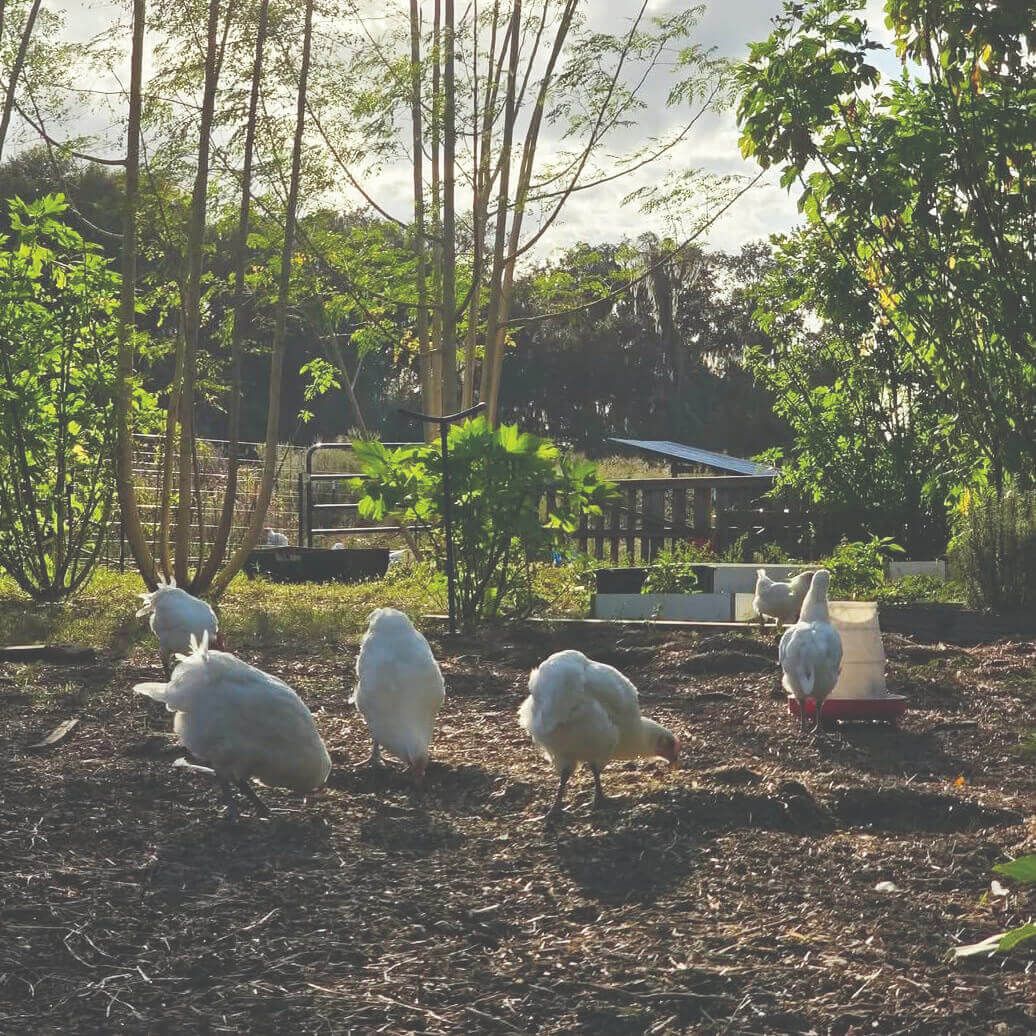
As summer begins to loosen its grip, there’s a noticeable shift on the farm. The mornings become cooler, the livestock seem more comfortable and the pastures — worn down by months of heat and heavy use — finally have a chance to recover. While many homesteaders and farmers focus on preparing for winter, fall is actually one of the best times to invest in the health of next year’s pasture.
One of the most effective tools for accomplishing that doesn’t require a tractor, fertilizer spreader or expensive piece of equipment. In fact, it’s probably already pecking around your farm.
Chickens are often appreciated for the fresh eggs they provide or the meat they produce, but their role extends far beyond the coop. When incorporated into a well-managed rotational grazing system, they become active participants in improving soil health, reducing pests and building more resilient pastures. Their natural behaviors complement regenerative farming practices in ways that have been utilized for centuries, long before the term “regenerative agriculture” became popular.
The key isn’t simply putting chickens on grass — it’s allowing them to work with the land instead of against it.
Nature Already Has the Blueprint
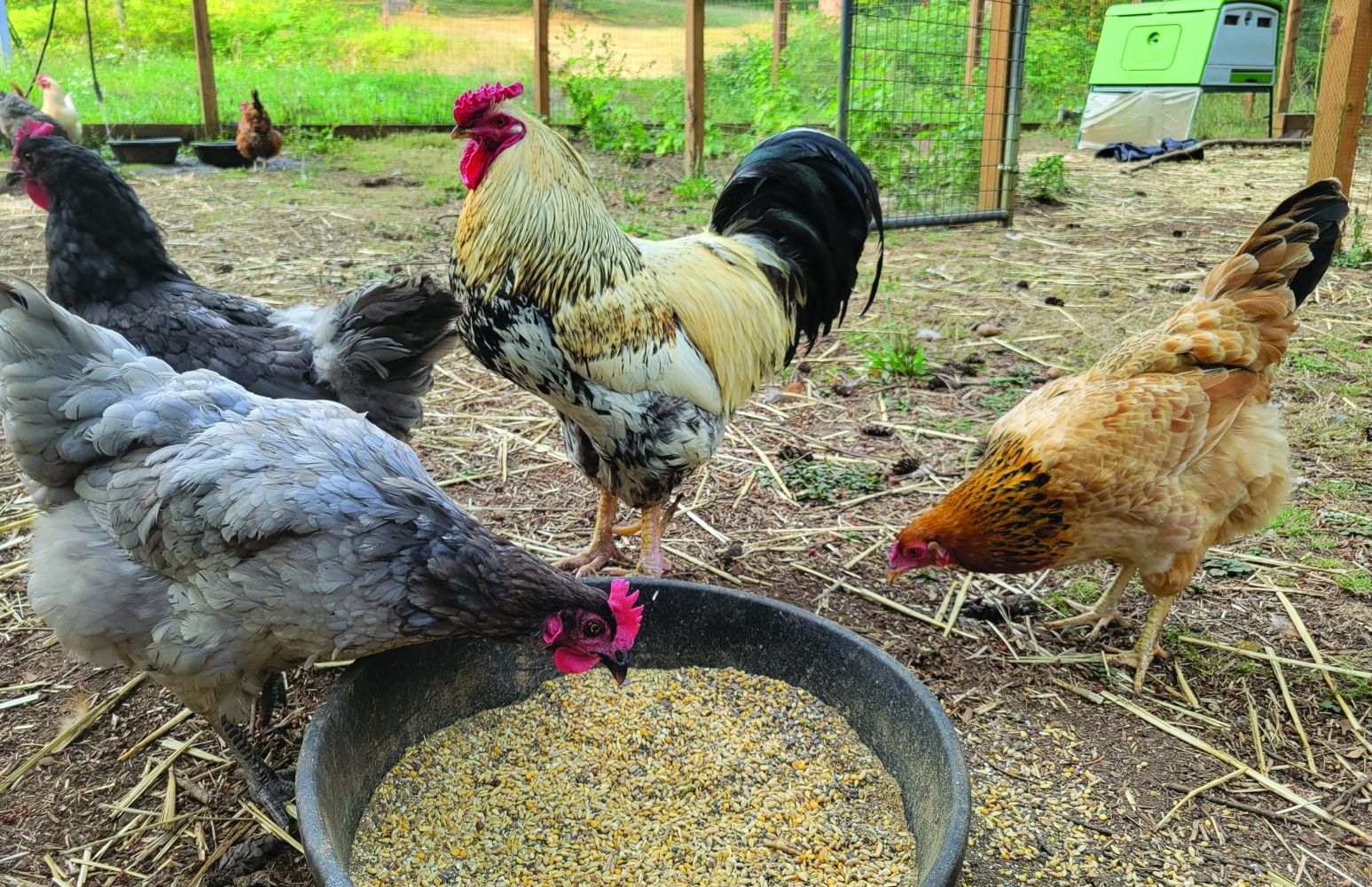
Spend just a few minutes watching a flock of chickens, and you’ll quickly realize they’re constantly busy. They scratch through the soil searching for insects, pick through vegetation for seeds, investigate manure piles for larvae and rarely leave a patch of ground untouched.
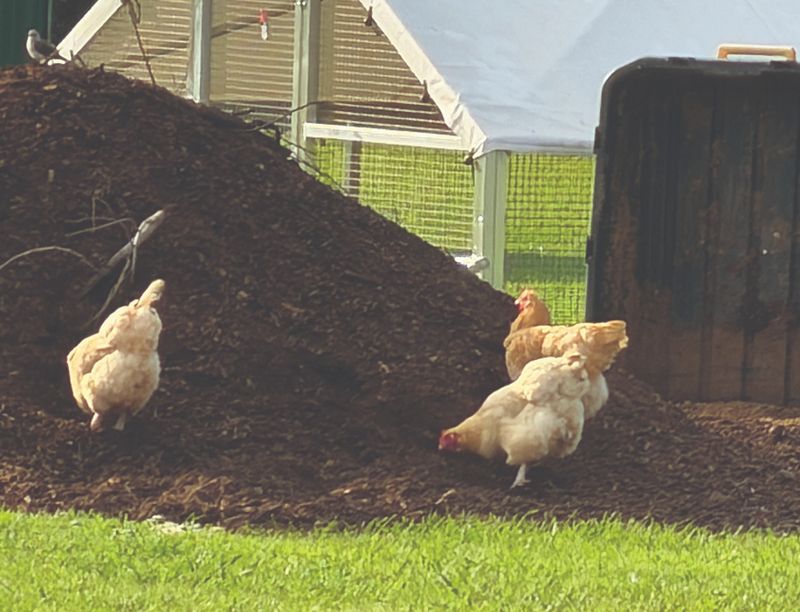
What appears to be random activity is actually performing valuable work. As chickens scratch apart manure left by larger livestock, they expose it to air and beneficial microorganisms, accelerating decomposition while interrupting the life cycle of flies. Instead of manure remaining in concentrated piles, nutrients become more evenly distributed throughout the pasture.
At the same time, chickens consume countless insects that would otherwise become pests. Every beetle, grub, grasshopper or fly larva they eat is one less insect competing with livestock or creating management challenges.
Without realizing it, chickens function as miniature compost turners and natural pest managers every day.
Why Fall Is the Perfect Season
Although chickens can contribute to pasture health throughout much of the year, autumn provides ideal conditions for both the birds and the land.
During the heat of summer, chickens naturally spend more time seeking shade and conserving energy. As temperatures moderate, they become much more willing to forage throughout the day. Likewise, cool-season grasses begin recovering from summer stress, allowing them to better utilize nutrients being returned to the soil.
Fall also offers enough growing time for pastures to benefit before winter dormancy arrives. The improvements made during autumn don’t simply disappear — they continue supporting healthier soil biology that carries into the following growing season.
In many ways, fall is when today’s management decisions become next spring’s success.
Movement Creates Healthy Pastures
One of the biggest misconceptions about pastured poultry is that simply allowing birds to roam freely creates healthier fields.
In reality, pasture health depends on movement. Leaving chickens in one location for extended periods often creates bare patches, excessive nutrient buildup and damaged vegetation around feeders, waterers and shelters. Rotating birds regularly prevents these problems while allowing each paddock adequate recovery time.
Portable electric netting, mobile coops and chicken tractors have made rotational grazing practical for farms of nearly every size. Even small backyard flocks can benefit from moving every few days.
The goal isn’t to give chickens unlimited space. The goal is to let the pasture rest before asking it to work again.
Multi-Species Grazing at Its Best
One of my favorite ways to integrate chickens is by allowing them to follow behind larger livestock.
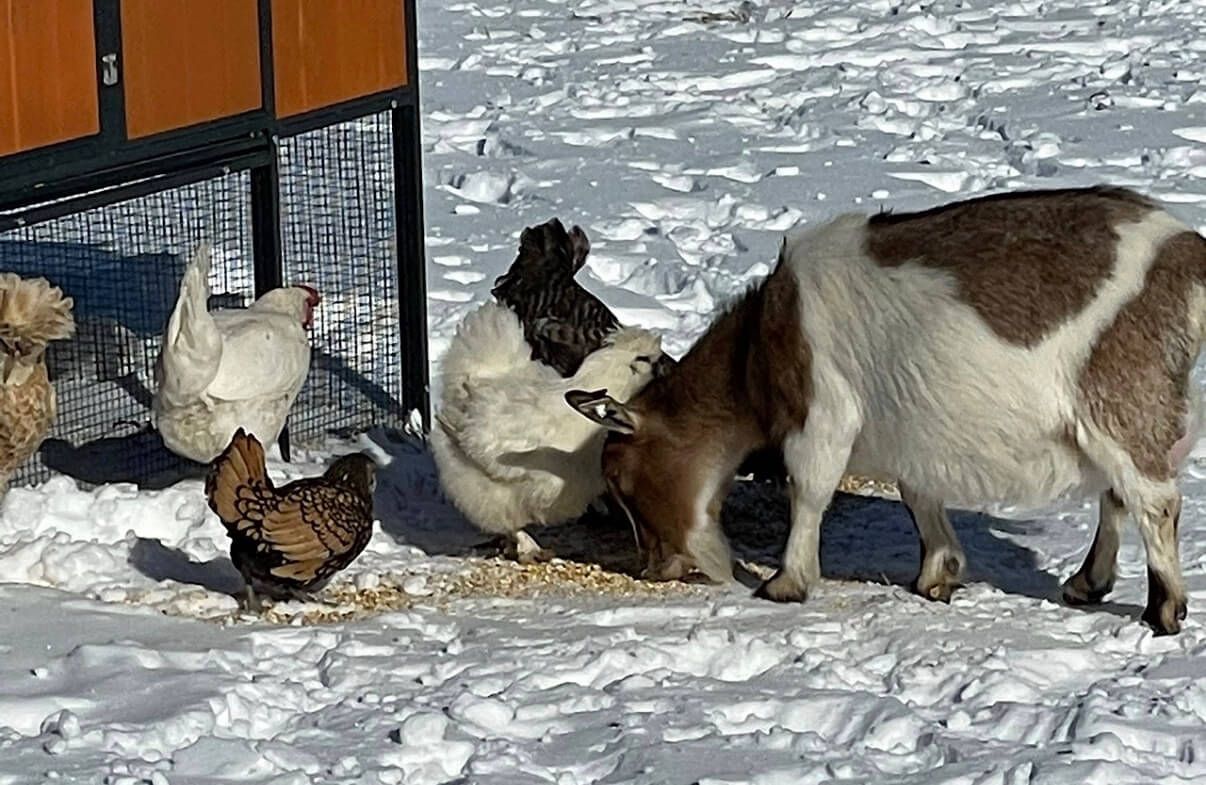
Whether cattle, goats, sheep or pigs have recently grazed a paddock, chickens naturally take advantage of what remains. They’ll spread manure while searching for insects, helping recycle nutrients back into the soil rather than allowing them to remain concentrated in one area.
Each species performs a different job. The grazers harvest the forage. The chickens clean up behind them. The soil receives the benefit of both.
It’s a simple partnership that improves pasture utilization while reducing insect pressure without relying heavily on chemical controls.
Pasture Supports Nutrition — It Doesn’t Replace It
While pasture provides tremendous benefits, it’s important to remember that chickens remain omnivores.
Fresh grasses, legumes, insects, seeds and worms all contribute valuable nutrition, but they cannot fully replace a properly balanced poultry ration. High-quality feed remains essential for growth, egg production, immune function and overall health.
Think of pasture as an opportunity rather than a complete diet.
Healthy chickens are ultimately the ones that provide the greatest benefit to your land.
Protecting Birds in Open Pastures
With increased freedom comes increased responsibility. Pastured poultry become more visible to hawks, owls, raccoons, foxes, coyotes, snakes and neighborhood dogs. Successful pasture systems always include predator management as part of the overall plan.
Portable shelters provide immediate cover from aerial predators, while electric fencing helps discourage many ground predators. Some farms also successfully incorporate livestock guardian dogs to provide another layer of protection.
Predator management isn’t a separate task from pasture management — it’s part of it. The healthier and safer your flock remains, the more consistently they can perform the work they’re intended to do.
Building Soil Instead of Buying Inputs
Perhaps the greatest advantage of integrating chickens into fall pastures isn’t something you’ll notice immediately. Healthy soil develops over time.
Each rotation contributes organic matter, stimulates microbial activity, improves nutrient cycling and encourages stronger forage growth. Those improvements compound season after season, creating healthier pastures that retain moisture better, support more livestock and require fewer purchased inputs.
Rather than relying solely on synthetic fertilizers, farmers can begin working alongside natural biological systems that have maintained healthy ecosystems for generations. That philosophy lies at the heart of regenerative agriculture.
Observe More, Manage Better
There is no exact rotation schedule because every farm is different. Rainfall, soil type, forage species, stocking density and climate all influence how quickly a pasture recovers. The best management tool you’ll ever own is observation.
Watch how your chickens use the landscape. Notice where insects are most abundant. Pay attention to grass recovery after each move. The land will tell you when it’s ready far more accurately than a calendar ever will.
Every flock has the ability to improve a pasture, but only thoughtful management unlocks that potential.
As we move into the cooler months, it’s worth looking at chickens a little differently. They aren’t simply producing eggs or filling the freezer. They’re cultivating healthier soil, supporting stronger pastures and reminding us that some of the most effective farming practices aren’t the newest innovations — they’re the timeless partnerships between animals and the land they call home.
This fall, let your chickens do more than feed your family. Let them help feed your pasture for seasons to come.
Tags:Hands-on Help










Chicken Whisperer is part of the Catalyst Communications Network publication family.