Why Egg Production Drops Off in the Fall
And What Can Be Done About It

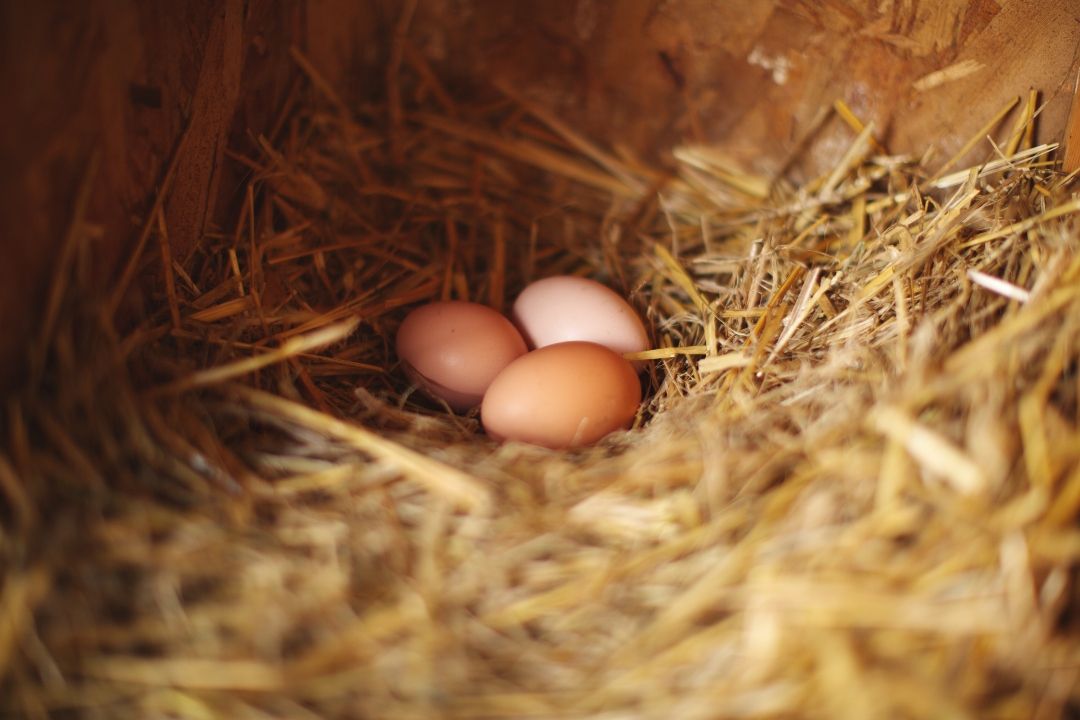
“He’s up with the chickens.” That pre-industrial expression eventually came to refer to someone who is an early-riser. Along with its sibling expression, to “go to bed with the chickens,” it was based on chickens’ natural rhythm of waking up at sunrise and returning to their roosts at dusk. As it turns out, that instinctive routine also accounts for their egg production’s ebb and flow with the seasons. Understanding that relationship can help you decide whether to let nature take its course or encourage more consistent egg production year-round.
The Key is Daylight
Several factors influence egg production, but of all of them, daylight is the most important. Chickens are highly sensitive to changes in the length of the day, and their reproductive systems are closely tied to the amount of light they receive. As daylight hours decline in the autumn, a hen’s body begins receiving signals that it is time to slow down reproduction and conserve resources for the coming winter. As Chanyata Farm puts it, “The shorter days are a signal to their bodies that cold weather is coming and cold weather is not the time to be trying to rear young. So, they do not want to lay eggs because they don’t want to be trying to have to keep baby chicks alive when it’s cold out.”
Most laying hens perform best when they receive about 14 to 16 hours of light each day. During midsummer, natural daylight may provide nearly all of that requirement. By contrast, autumn days become progressively shorter, reducing the hormonal signals that support consistent laying. As a result, hens may lay fewer eggs, skip days between eggs or stop laying altogether.
This response is not a sign that something is wrong with the flock. Rather, it is a natural part of a laying hen’s annual routine.
Molting: Trading Eggs for Feathers
For many backyard flocks, the arrival of autumn brings not only shorter days but also the annual molt. Molting is the natural process through which chickens shed old, worn feathers and replace them with a fresh set.
Feathers endure considerable wear in the course of a year. Exposure to sun, wind, rain, dust and daily activity gradually breaks them down. By late summer and early fall, many feathers have lost some of their insulating ability and protective qualities. The molt allows hens to replace these damaged feathers before colder weather arrives, helping them maintain body temperature and stay protected from the elements during winter.
Producing new feathers requires a tremendous amount of energy and protein. In fact, feathers are composed primarily of keratin, the same structural protein found in hair and fingernails. Because a hen has only so many nutritional resources available, her body must decide where to direct them. During the molt, those resources are shifted away from egg production and toward feather growth.
Seasonal Changes in Diet and Nutrition
Another factor that can contribute to reduced egg production in the fall is the seasonal change in a hen’s natural diet. During the warmer months, chickens have access to a wide variety of protein-rich foods as they forage for insects, worms, larvae and other small organisms. They also consume fresh grasses, weeds, seeds and other vegetation that supplement their regular feed and provide additional nutrients.
As temperatures drop and vegetation begins to die back, many of these natural food sources become less available. The reduction in insects and fresh greenery can slightly change the nutritional balance of a hen’s diet, particularly her access to natural sources of protein. Since egg production requires a significant investment of nutrients, even small changes in available resources can contribute to a decline in laying, especially when combined with shorter days and the demands of molting.
External Stressors Can Reduce Egg Production
Outside stressors can also play an important role. Chickens are creatures of habit, and disruptions to their environment can quickly affect their health and laying patterns. Changes in weather, temperature swings, predator activity, overcrowding, changes in flock dynamics or disruptions to their routine can all create stress. Even events that may seem minor to the caretaker, such as moving birds to a new coop, introducing new chickens or changes in feeding schedules, can temporarily interrupt egg production.
What Can Be Done?
Although a decline in egg production during autumn is a natural process, there are several things poultry keepers can do to help maintain a more consistent level of laying. The most significant factor to address is the reduction in daylight hours. One of the most common ways to offset shorter days is the use of supplemental lighting. Since hens respond to the total amount of light they receive each day, adding artificial light in the morning can help extend their perceived day length and encourage more consistent egg production. Virginia Tech’s Cooperative Extension suggests that one four- to five-watt LED bulb for each 100 square feet of coop is adequate. Connected to a simple timer will provide additional morning light before dawn, allowing the birds to maintain a more regular schedule. (Please see the sidebar, “Helping Hens, Not Overriding Nature.”)
Nutrition becomes especially important as natural forage declines and hens may have fewer opportunities to supplement their diet with insects, seeds and fresh vegetation. Providing a complete, balanced feed ensures that birds receive the protein, vitamins and minerals they need. Additional treats such as dried mealworms and table scraps during the cooler seasons will also aid in egg production and overall health.
The molting process is another area where poultry keepers can provide support. A hen cannot be encouraged to lay normally while her body is dedicating resources to growing new feathers. The best approach is to allow the molt to run its course. Nevertheless, you can help it along. Abundant Permaculture suggests that “adding extra protein into their diet is one way to speed up the process of molting. Sunflower seeds and meat scraps are good sources of protein to feed a molting hen.” Once the molt is complete, many hens will naturally begin increasing production again as daylight and hormonal signals become more favorable.
Finally, reducing unnecessary stress can help maintain whatever production potential remains during the fall months. For example, Virginia Tech’s Cooperative Extension recommends limiting the movement of children, dogs, livestock and vehicles around the flock as well as loud noises to prevent frightening the chickens. Protecting them from predators, avoiding unnecessary changes to their environment, maintaining a stable flock structure and providing adequate space all contribute to healthier, more productive hens.
Ultimately, fall egg production is influenced by a combination of factors, but shorter daylight hours remain the dominant cause. Supplemental lighting can help extend laying, while good nutrition, proper molt support and a calm environment help hens perform at their best. Understanding the natural reasons behind seasonal changes allows poultry keepers to make informed decisions about whether to encourage continued production or simply work with the normal rhythm of the flock.
Helping Hens, Not Overriding Nature
Some chicken keepers may be concerned that adding light to extend the laying season is unnatural or harmful. The goal of supplemental lighting for a backyard flock is not to create “24/7” layers or push hens beyond their limits as some large egg production companies do with caged chickens to meet public egg demand.
Used responsibly, additional light simply extends the day enough to maintain more consistent production during the darkest months. It does not eliminate the need for rest, molting or proper care. Some owners choose to let their hens follow nature’s seasonal pattern, while others provide extra light for a steadier egg supply. Both approaches can be responsible. The most important consideration is that hens remain healthy, well fed and allowed to maintain good body condition.
Tags:Healthy Flock











Chicken Whisperer is part of the Catalyst Communications Network publication family.