Cold-Weather Checkup
Cold Weather Health Risks for Backyard Flocks

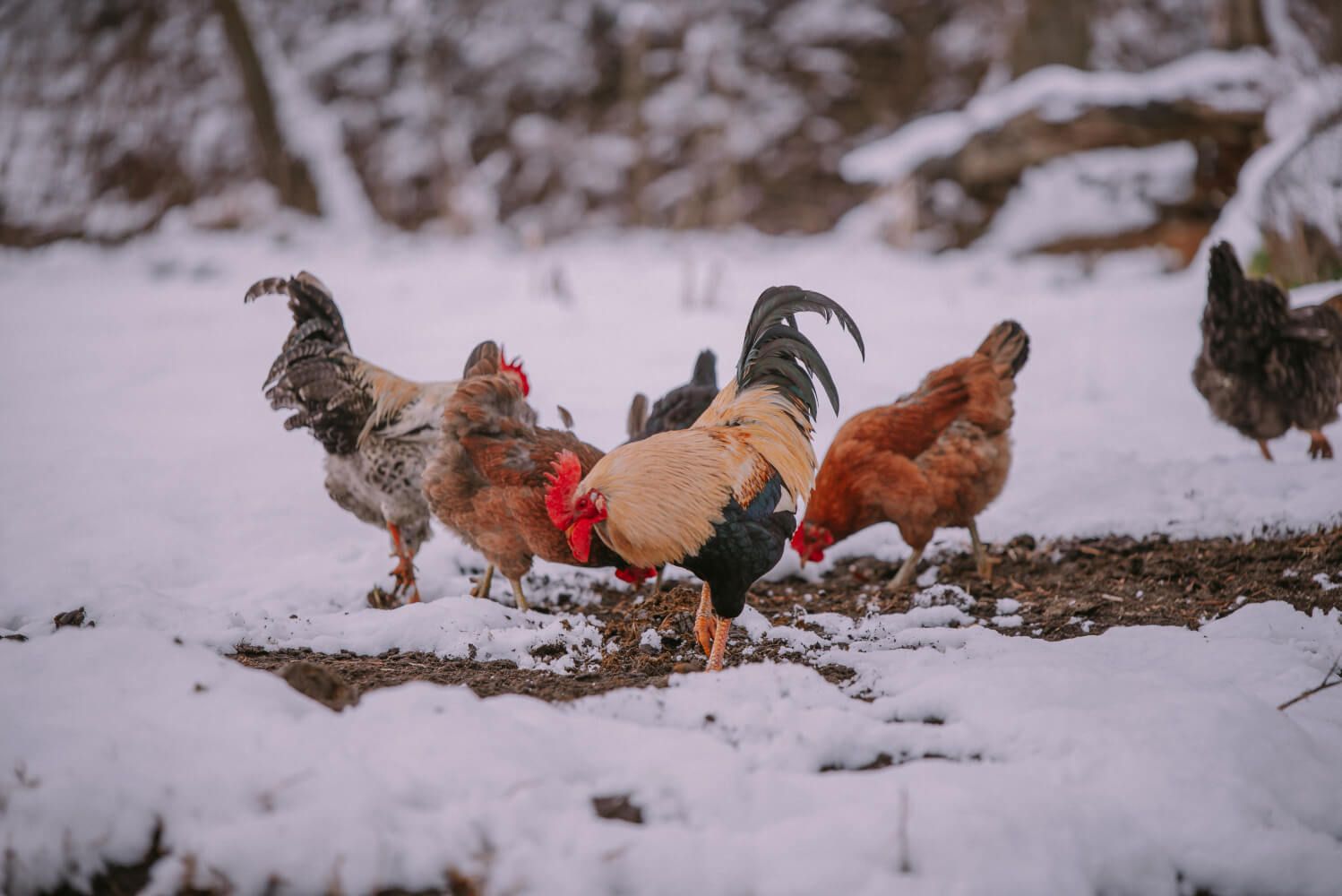
As temperatures begin to drop, backyard poultry keepers often find themselves preparing their flocks for the colder months ahead. Whether you live in a northern state where snow and freezing temperatures are expected, or somewhere in the South where cold weather arrives unexpectedly, seasonal changes can present some unique challenges for poultry.
Here on our farm in Florida, we certainly don't experience the same winters as our northern counterparts. However, that doesn't mean we are exempt from cold weather concerns. In fact, sudden temperature fluctuations can sometimes create more challenges than consistently cold conditions.
One thing I've learned from the years of raising poultry is that cold weather itself isn't always the biggest threat.
More often, it's the conditions surrounding it that create problems. Understanding those risks and knowing how to prepare can make all the difference in keeping a healthy flock throughout the winter.
Cold Stress & Hypothermia
Chickens and many other poultry species are remarkably resilient when it comes to cold temperatures. Their feathers provide natural insulation, and healthy, fully feathered adult birds can tolerate temperatures much lower than many people realize. However, that doesn't mean they are immune to cold stress.
Birds that are young, elderly, underweight, ill, or poorly feathered are particularly vulnerable. Wet feathers, strong winds, and inadequate shelter can also significantly increase their risk of hypothermia.
Signs of cold stress may include lethargy, decreased activity, huddling, reduced feed consumption, and reluctance to move.
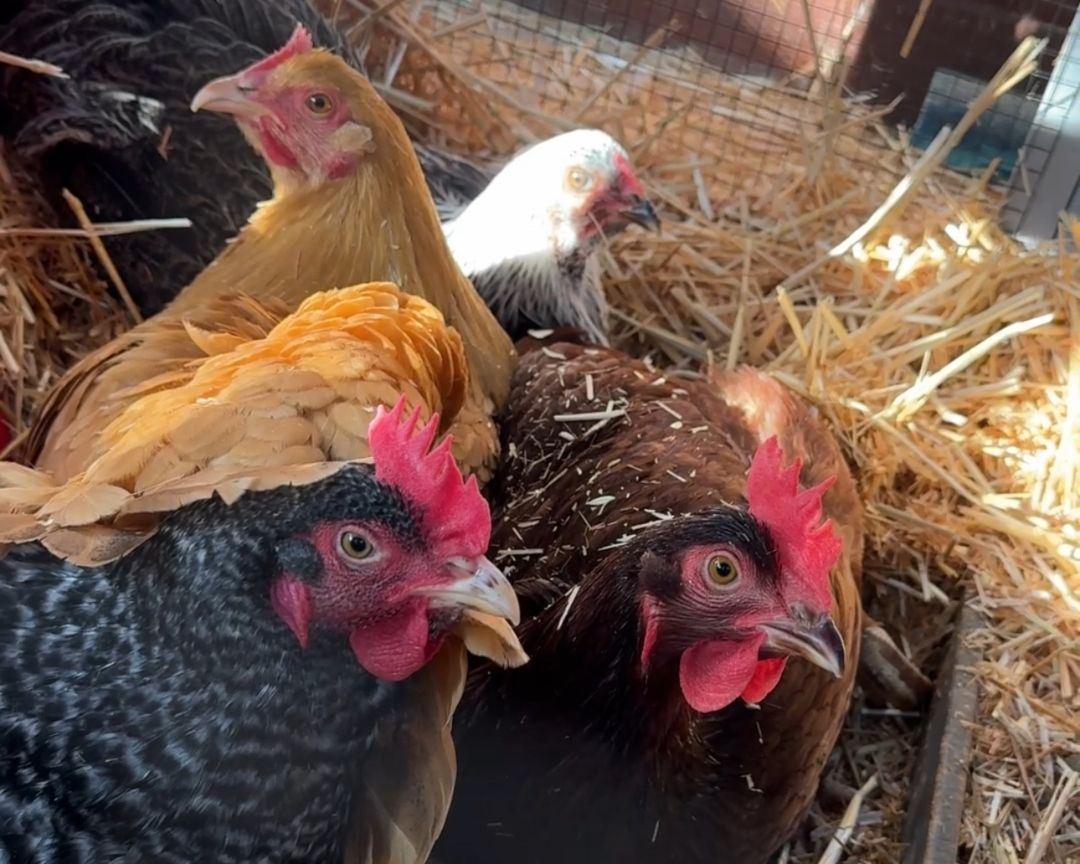
It's important to remember that poultry naturally fluff their feathers and huddle together to conserve warmth. These behaviors alone don't necessarily indicate a problem.
I prefer allowing our birds to acclimate naturally to seasonal temperature changes rather than relying on supplemental heat for healthy adults. However, they must have access to a dry, draft-free roosting area with adequate ventilation. The goal isn't necessarily to keep the coop warm. It's to keep the birds dry and protected from the elements.
Frostbite
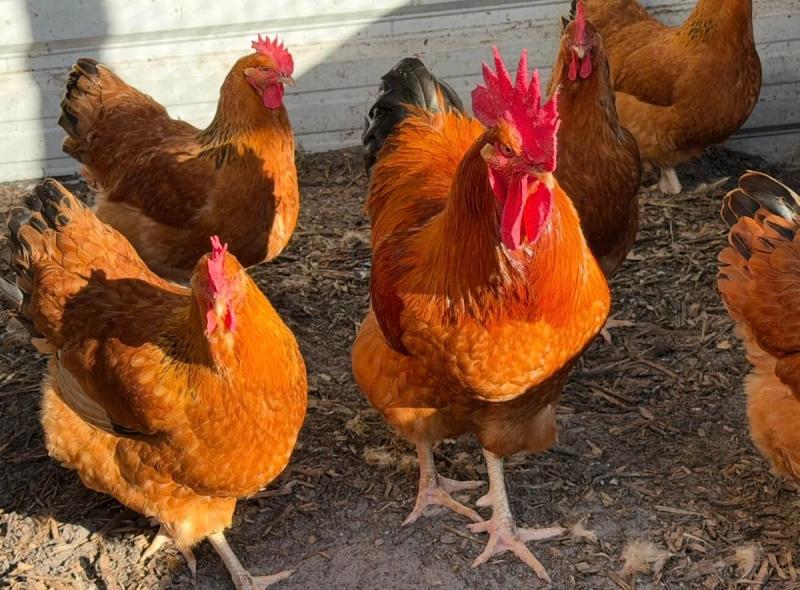
Frostbite is another common winter concern, particularly among chicken breeds with large combs and wattles.
Roosters with prominent single combs are often more susceptible, although hens and other poultry species can experience frostbite as well.
Frostbite occurs when tissues freeze, potentially resulting in permanent damage. Affected areas may initially appear pale or discolored before becoming swollen, darkened, or black as tissue damage progresses.
One of the largest contributing factors is moisture. High humidity inside a poorly ventilated coop, combined with freezing temperatures, can increase the likelihood of frostbite. This is why ventilation is so incredibly important, even during winter.
It may seem counterproductive to allow fresh air into a coop when temperatures are already low, but trapping moisture inside can create an unhealthy environment. Ventilation should remove excess moisture without directing cold drafts onto roosting birds.
If frostbite occurs, avoid rubbing the affected tissue or applying direct heat. Severe cases should be evaluated by a veterinarian.
Respiratory Problems & Poor Air Quality
Winter often means poultry spend more time inside their shelters, particularly during storms or extended periods of unpleasant weather.
Unfortunately, increased confinement can also increase exposure to dust, ammonia, and respiratory pathogens.
Ammonia develops as manure decomposes, especially when bedding becomes damp. Even relatively low concentrations can irritate the respiratory tract, making birds more susceptible to secondary infections.
If you can smell ammonia when entering your poultry house, it's time to evaluate your cleaning and ventilation practices.
Respiratory symptoms to watch for include sneezing, coughing, nasal discharge, swollen sinuses, watery eyes, and difficulty breathing.
While cold temperatures don't directly cause infectious respiratory diseases, environmental stress and poor air quality can contribute to illness.
I always encourage poultry keepers to pay close attention to their bedding. Deep litter systems can work well when properly managed, but simply allowing manure and moisture to accumulate isn't the same as maintaining healthy deep litter.
Dry bedding and fresh air are essential regardless of the season.
Dehydration During Cold Weather
Dehydration is something many poultry keepers associate with summer, but it can be just as concerning during winter.
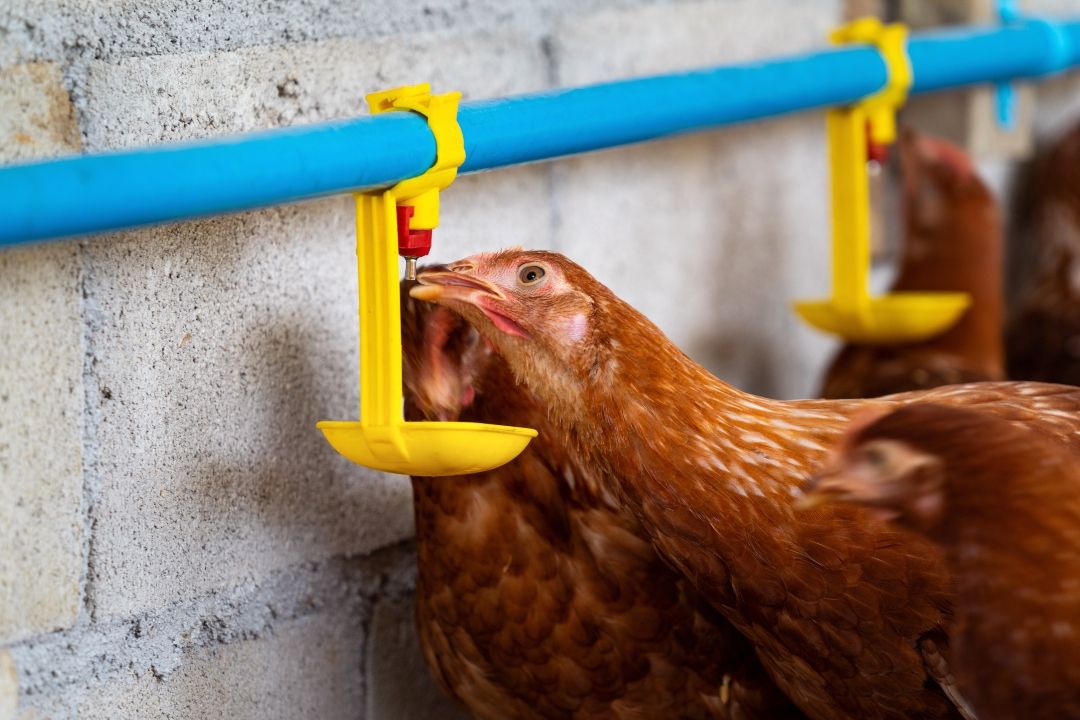
When temperatures fall below freezing, water sources can quickly become inaccessible. Birds may also drink less when water is extremely cold or difficult to reach. Adequate hydration is essential for digestion, circulation, temperature regulation, and overall health.
For poultry keepers in colder climates, heated waterers or regularly replacing frozen water may be necessary. Waterers should also be positioned to minimize spills and prevent bedding from becoming saturated.
Remember, providing water isn't enough if your birds cannot drink it.
Nutrition & Increased Energy Demands
Maintaining body temperature requires energy, and poultry may consume more feed during colder weather. This is particularly important for birds that spend considerable time outdoors.
A nutritionally balanced ration should remain the foundation of their diet. While additional treats may seem to be a good way to help birds stay warm, excessive scratch grains and other supplements can dilute essential nutrients.
Here on our farm, nutrition is something we take seriously year-round. I believe that maintaining healthy body condition before winter arrives is far more beneficial than attempting to correct nutritional deficiencies once birds begin experiencing stress.
Monitor body condition, especially in older birds and those lower in the flock's pecking order.
Preventing Problems Before They Start
When it comes to winter flock management, prevention is always easier than treatment. Before cold weather arrives, inspect housing for leaks, drafts, damaged roofing, and areas where moisture may accumulate.
Ensure birds have adequate roosting space, clean bedding, proper ventilation, and reliable access to feed and water. Pay attention to changes in behavior. A bird that separates itself from the flock, stops eating, or suddenly becomes inactive deserves closer attention.
And perhaps most importantly, avoid assuming every winter illness is caused by the cold. Infectious diseases, parasites, and nutritional problems can occur during any season.
After years of raising poultry, one lesson continues to stand out: successful flock management isn't about controlling every aspect of the environment. It's about understanding your animals, recognizing their needs, and providing conditions that allow them to thrive.
Cold weather will always bring challenges, but with proper preparation and a little observation, backyard poultry can remain healthy and productive throughout the winter months.
Tags:Healthy Flock










Chicken Whisperer is part of the Catalyst Communications Network publication family.