Beyond the Heat Lamp
Smarter Ways to Protect Chickens in Cold Weather


When the temperatures start to dip and frost comes for the windows, no one wants to go outside. It's much more tempting to curl up by a cozy fireplace while something warm and delicious is cooking in the kitchen. As winter approaches, it's natural to spend more and more time indoors. But what about the family flock? You might feel guilty watching from the frost-covered window as your coop rides out the cold sans fireplace or blankets.
Of course, chickens can survive harsh climates and, in fact, have several natural defenses against the cold. Still, when you see your hens puffed up or frost on the coop, the urge to plug in the heat lamp can be overwhelming.
Luckily, with a few tried-and-tested strategies, you can keep your chickens healthy and warm without the need for a heat lamp or a high energy bill.
Natural Defense
While some chicken breeds are better suited to cold weather than others, most breeds will survive and, with proper care, thrive throughout the winter months in any location.
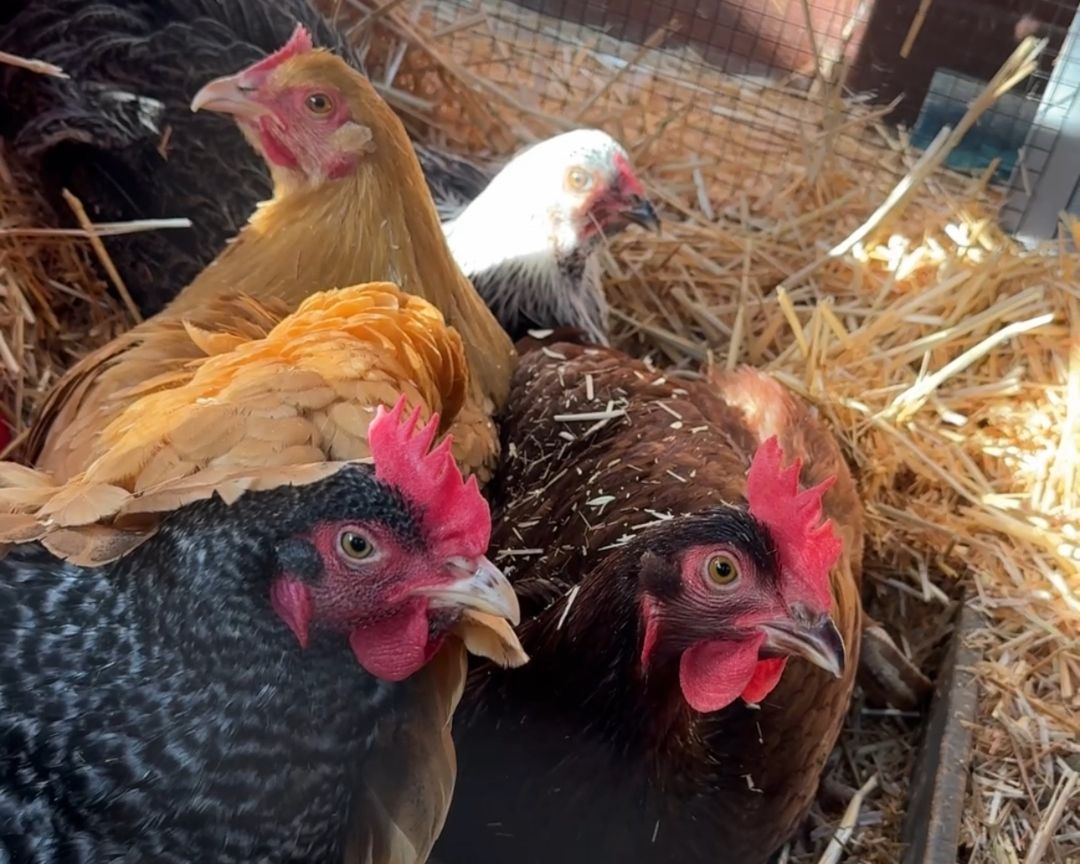
The best natural defense chickens have is their feathers. One of nature's tiny miracles, feathers function to provide warmth and insulation to your chicken during harsh climate conditions. Feathers trap warm air against the bird's body, creating warm air pockets. For most breeds, as long as the bird is protected from strong winds, this natural insulation will keep it warm even when temperatures drop below freezing.
To support your chickens' natural cold-weather defenses, make sure the roosting area is free from drafts. Chickens can take the cold so long as there is no wind.
Additionally, keep food and fresh water available at all times during daylight hours, and not frozen water! Especially during the winter, good-quality feed is important for the health and well-being of chickens. If some of your flock is still mid-molt when temperatures drop, you'll want to ensure they're getting plenty of protein so they can successfully refeather. Even after feathers are in place, ensuring your flock has plenty of protein will keep them fed and warm all season long.
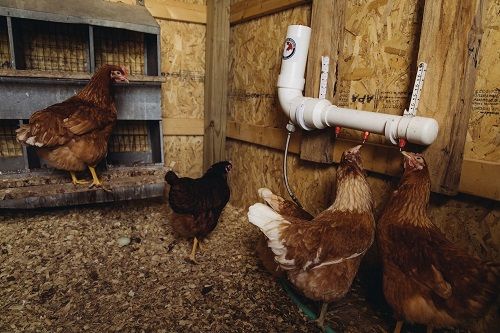
Similarly, you'll want to keep an eye on your flock's water supply. Water is a key part of your chicken's diet. Ensuring your flock always has access to fresh water is essential. That means, in the winter, also ensuring that your chicken's water doesn't freeze. There are several options to heat your water. Make sure when you choose one that you're aware of any associated wires or electrical additions and that they are kept far away from bedding or other potential fire hazards.
Coop Location
Sometimes, simple fixes such as switching up your coop's location can make the biggest difference. Moving or transferring your coop to an area that is better protected from the cold or wind and finding a place that gets plenty of sun during the day can make a huge difference for your chickens. If you are thinking of relocating the coop, having windows facing south is critical to getting lots of sun during the day.
Passive Solar Design
To maximize heat, consider incorporating passive solar design elements into your coop. Again, having lots of windows facing south will help to warm up your coop during the day. Making sure those windows are well-insulated will help create a sun trap in your coop. Adding or building with a dark floor (or even using a deep litter method) will help increase the amount of heat your coop captures and, therefore, allow it to retain that heat for a longer period of time.
Ventilation and Drafts
While you're busy ensuring a well-fed flock and warm coop, there's one essential piece to consider for your winter-chicken care strategy: moisture. Keeping the air inside your coop dry will help prevent condensation, frostbite and respiratory problems.
Good ventilation allows humid air to escape while also drawing in fresh, dry air. To balance ventilation with avoiding bitter drafts, place vents high above roosts so that warm, moist air can rise and exit without letting in drafts that blow directly on your birds. When building your coop, or preparing it for winter, don't seal it too tightly; you need controlled airflow to avoid trapping humidity inside.
I do not recommend any insulation for coops due to moisture. However, for areas of extreme cold, if you feel that added insulation is essential, be vigilant about moisture control. Remember that a well-ventilated coop stays dry, odor-free and comfortable, even in freezing weather.
Bonus Tips
- Cold-Hardy Breeds: Remember that some breeds are better suited for colder climates. Heavy breeds such as Plymouth Rocks, Wyandottes, Ameraucanas, Brahmas and Orpingtons can take colder winters. Smaller, less-feathered breeds, including Leghorns, may need extra care and attention during colder months.
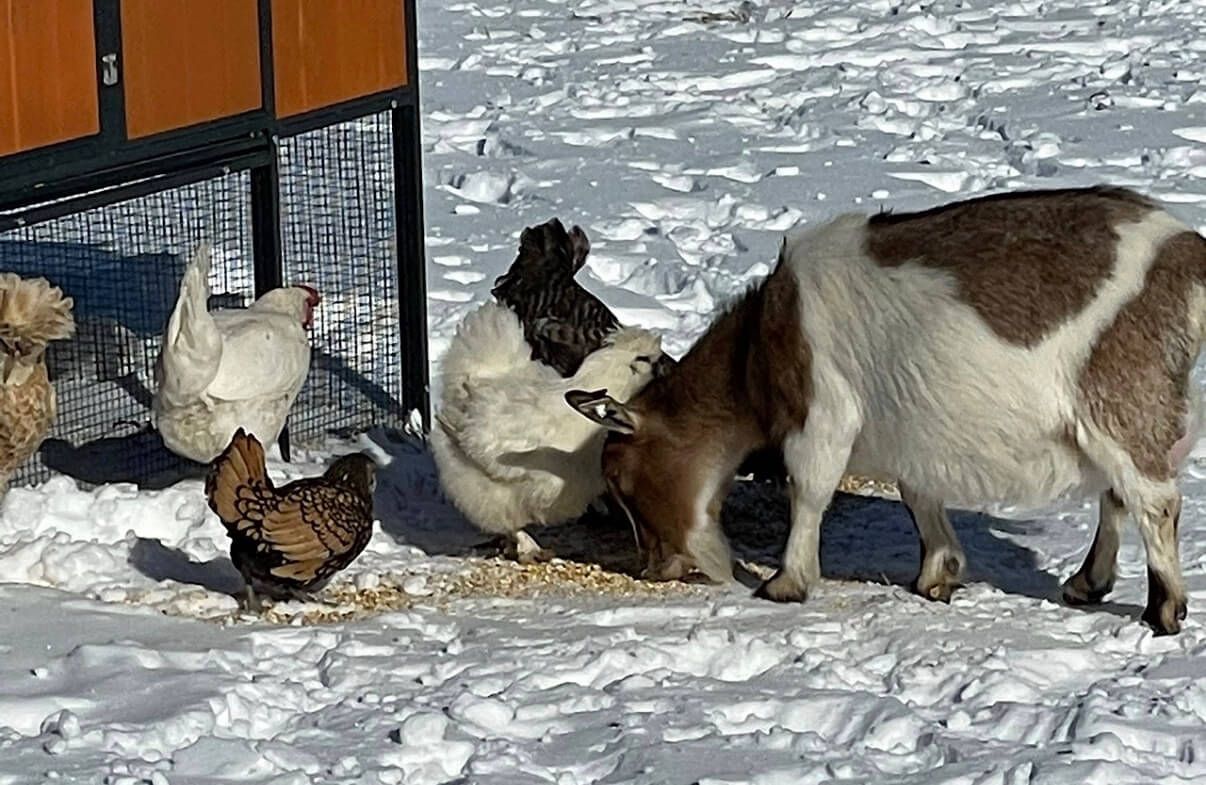
- Safe Outdoor time: Even in cold (or snowy) weather, chickens need fresh air and sunlight. To reduce drafts, consider adding a solar-powered coop door that opens to regulate access in and out of the coop.
- Entertainment: A bored flock can turn pecky. Hang cabbage heads, scatter scratch grains or add a log perch in a protected area to keep them busy when outdoor time is limited.
Heat Lamps
The truth is, so long as all the above steps are taken care of and your chicken's natural warming techniques are supported by their feed and coop, only in scarce times will your coop need a heat lamp. I would only recommend using heat lamps if the temperature goes below zero degrees.
Heat lamps, especially when used unchecked, are a significant fire risk and can disrupt or prevent chickens’ natural warming instinct, meaning that reliance on them can harm your flock in the long run.
If you're worried about the cold even before it dips below zero, then a heated roost bar is a great option to keep the chickens comfortable. Plus, it takes a lot less power.
Keep in mind that adding electricity and heat to your coop can involve fire risk if not installed properly, and additional heat will require you to keep an eye on humidity levels inside the coop.
As the days get shorter and the wind gets colder, try all these tricks before flipping on that heat lamp switch. With warm roosts, plenty of food and dry floors, your flock is sure to thank you with warm combs, plenty of eggs and cheerful clucks even on the coldest of mornings!
Tags:Hands-on Help










Chicken Whisperer is part of the Catalyst Communications Network publication family.