Frostbite & Feet
Simple Tips on Winter Care for Backyard Chickens

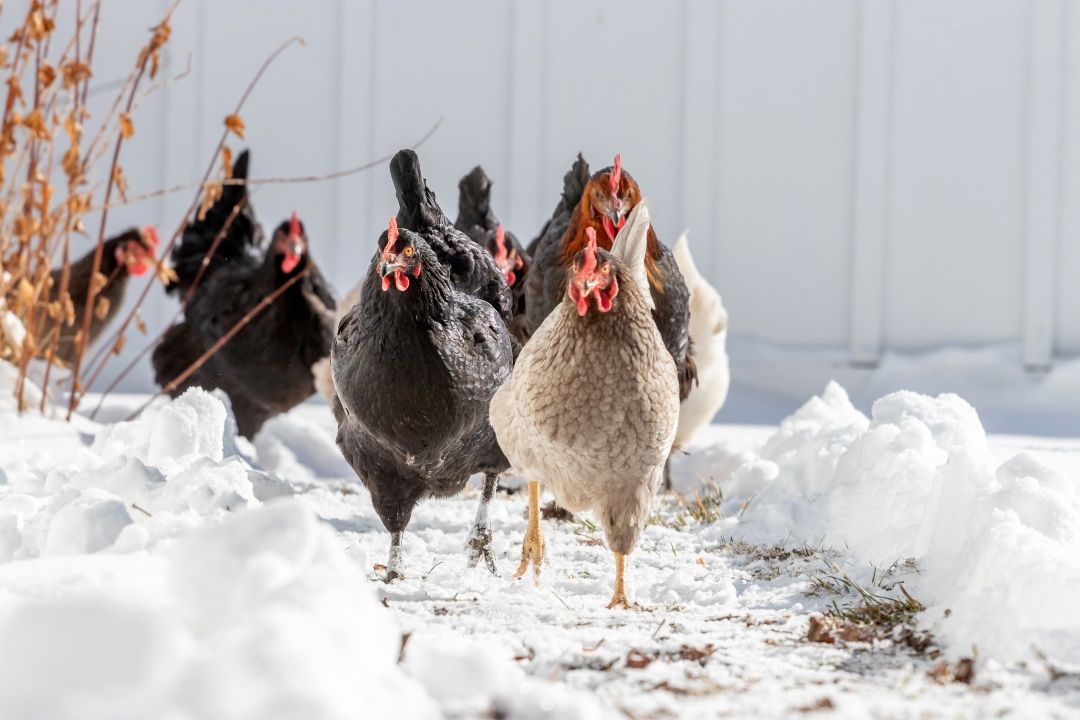
As winter begins to set in, frostbite becomes a concern for backyard flocks when temperatures consistently drop below 20 degrees Fahrenheit, especially when accompanied by high winds.
“If conditions are damp, susceptible breeds can experience frostbite at slightly higher temperatures,” says Dr. Bethany Hsia, doctor of veterinary medicine (DVM) and co-founder of CodaPet.
Dr. Hsia is a DVM, has worked at two veterinary clinics, is an active mobile veterinarian and is the co-founder of CodaPet, a startup supporting a network of veterinarians that offer at-home petcare. She’s also a mom of two young children, two dogs and two cats.
Just a year ago, Dr. Hsia’s family lived on and owned a hobby farm in Fresno, CA, where they had dozens of chickens throughout the six years on the farm. With her experience, Dr. Hsia offers expert advice on what frostbite is and how to prevent it from occurring in a backyard flock.
Frostbite Prevention
Frostbite is a significant concern for chickens in cold climates, particularly affecting their combs, wattles and toes. Providing adequate ventilation without creating drafts is crucial to preventing moisture buildup, which can increase dramatically during cold conditions.
“Poor ventilation increases the risk of frostbite,” warns Hsia.
On the other hand, proper ventilation helps remove ammonia and excess humidity from the coop, reducing the risk of frostbite.
To achieve adequate coop ventilation, Hsia recommends ensuring continuous airflow without direct drafts on the birds: “Check for condensation on surfaces and feel for air movement at bird level on a still day. Make sure there are high vents near the roof and lower vents near the floor to create a natural convection current.”
Doing this allows warm, moist air to escape and fresh, cooler air to enter without directly blowing on the chickens.
Another critical aspect is ensuring the coop is dry. Wet bedding, according to Hsia, can quickly freeze and cause frostbite on the feet. Regularly changing bedding, especially in high-traffic areas, is essential.
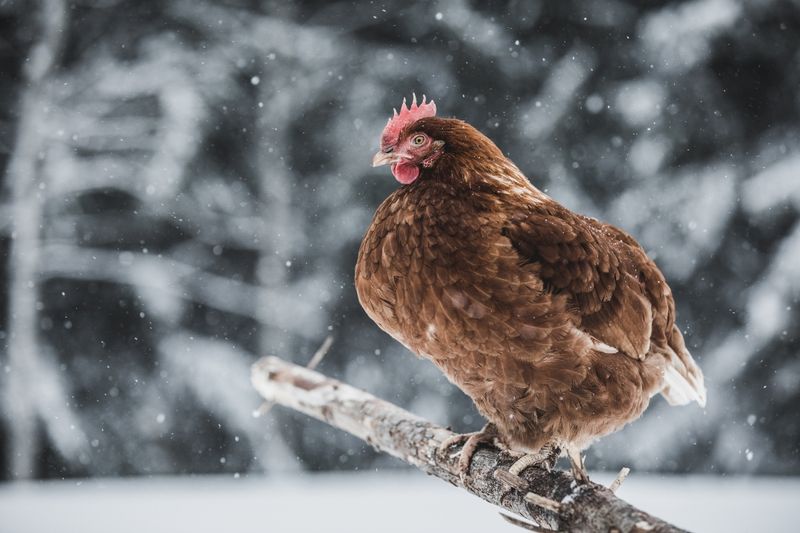
Roosting for Warmth
Chickens love to roost, but did you know that roosting is critical to keeping them warm, especially their feet?
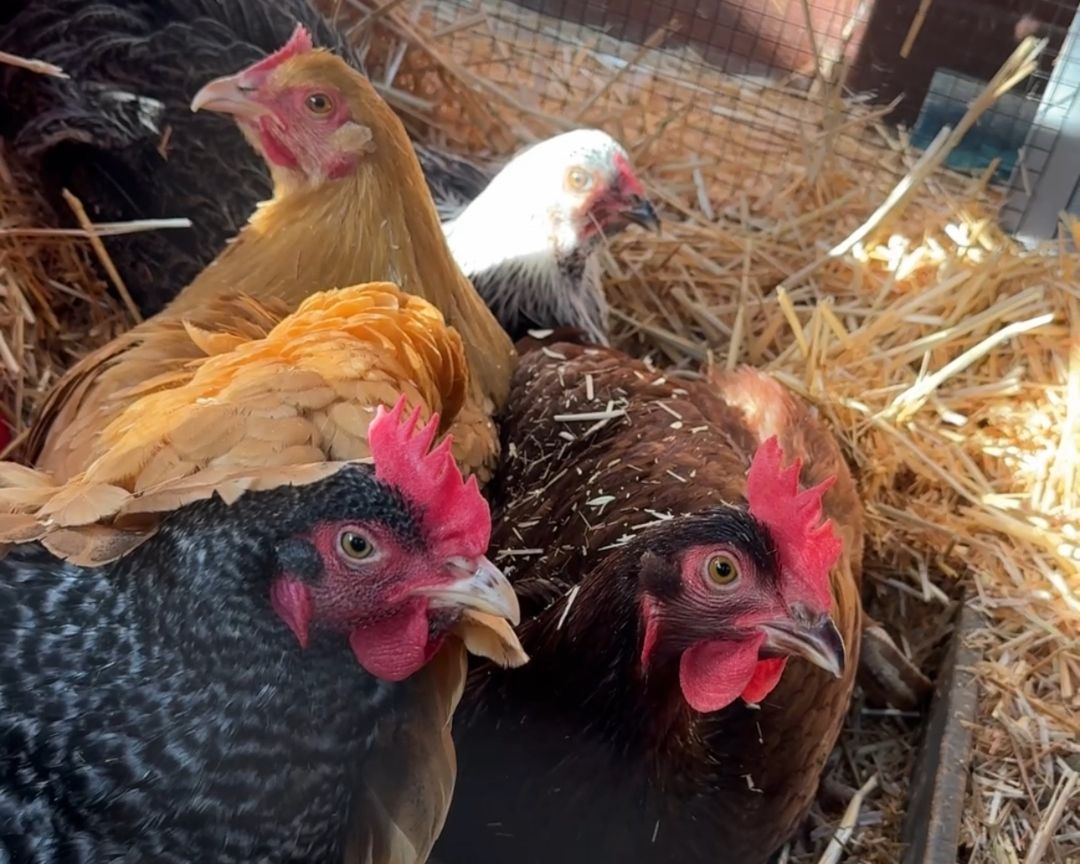
“Proper roost design is important for chickens to stay warm,” says Hsia. “They naturally huddle together on roosts at night, and their body heat helps keep them warm.”
According to Hsia, roosts should be wide enough for chickens to comfortably cover their feet, preventing their toes from being exposed to extreme cold. Roosts should also be positioned away from drafts and at varying heights to allow birds to choose their preferred spot.
The material of the roost also matters. “Wood is generally preferred over metal or plastic as it doesn’t conduct cold as readily,” she adds.
Comb and Wattle Care
General comb care in winter involves monitoring for any signs of damage or infection. Breeds with large combs and wattles, such as Leghorns and Minorcas, are more prone to frostbite.
“Regularly inspecting combs for discoloration – pale, blue or black spots – swelling or scabs can help identify frostbite early,” says Hsia. “If frostbite is detected, the affected areas should be gently warmed and kept clean to prevent secondary infections.”
Hsia recommends using petroleum jelly or other topical protectants on combs and wattles, especially during extreme cold weather.
“It acts as a barrier,” she explains, “preventing moisture from freezing on the tissue and reducing the risk of frostbite.”
Topical protectants and excellent coop ventilation are the best ways to prevent moisture buildup over time.
Winter Enrichment
Keeping chickens active during the winter, inside the coop and out in the yard or run, is important for their physical and mental health, and can also help generate body heat, says Hsia.
“My husband likes to hang cabbage for them to peck at,” she adds. “This encourages them to move.”
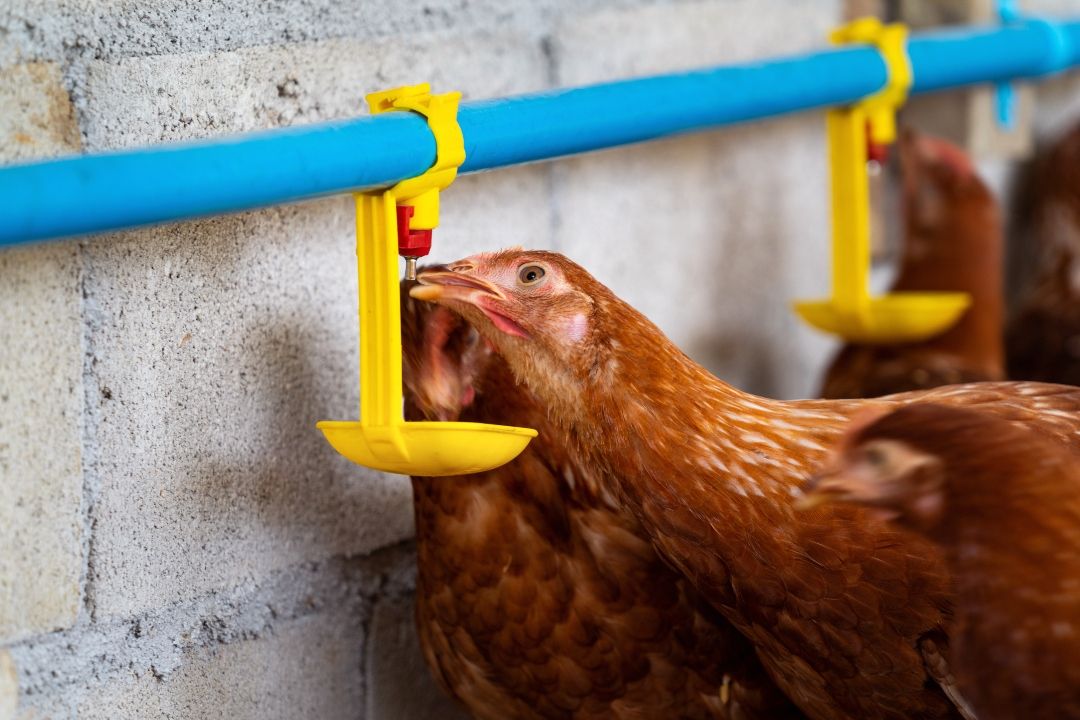
It’s also important to provide chickens with fresh, unfrozen water as dehydration can lead to lethargy and susceptibility to illness.
Nutrition and Supplemental Heat
With winter, nutrition and the elements can pose challenges for backyard flocks. Small adjustments in diet and coop management can help keep chickens safe, warm and comfortable all season long.
Nutrition
A slight adjustment to diet is recommended during winter.
“Increasing caloric intake through higher protein and fat content provides more energy for thermoregulation,” says Hsia. “This can help chickens stay warm and healthy all season long.”
There are a few ways caretakers can do this:
- Increase feed with higher protein and fat content
- Provide high-carb treats such as scratch or whole grains
- Offer high-protein treats such as dried mealworms
- Feed safe kitchen scraps such as fruit, grains or raw vegetables
As with most treats, feed in moderation to avoid obesity in chickens.
Supplemental Heat
Generally, supplemental heat is not recommended for healthy adult chickens unless temperatures are extremely low, below zero degrees Fahrenheit (‑18 degrees Celsius).
“The primary risk includes fire hazards from heat lamps,” warns Hsia. “A secondary risk is creating a dependency on artificial heat, which can make chickens less resilient to cold.”
Common Mistakes to Avoid
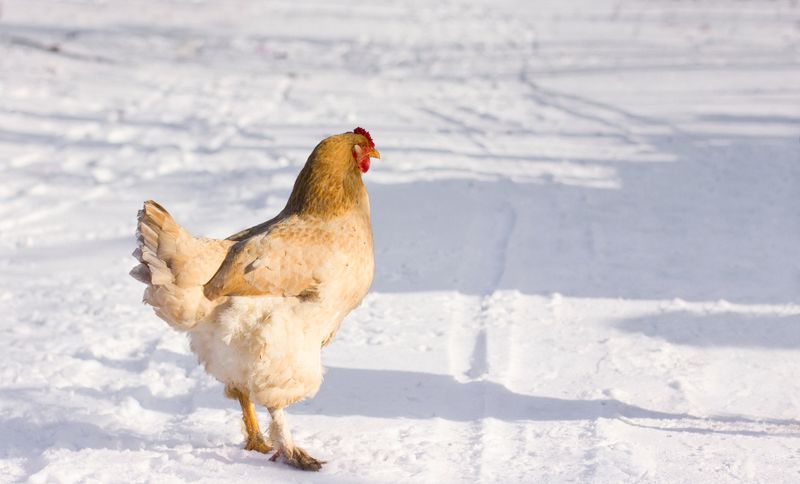
When it comes to winter chicken care, a few common mistakes can make the cold season harder on the flock. Here are some to watch out for:
Over-insulating the coop: It’s tempting to insulate the coop to keep the cold out, but that can be a major slip-up. Over-insulation traps heat and moisture, leading to condensation that freezes and increases the risk of frostbite. When it comes to ventilation, less is often more.
Keep your chickens in the coop: Healthy chickens should always have the option to stay in the coop or go outside. Although it may be cold outside, allowing them to roam helps them acclimate to cold temperatures and stay active.
Using artificial heat sources: Heat lamps might seem like a good idea, but they pose a fire hazard and can make birds overly dependent on the warmth. Most healthy adult chickens adapt and do well without the extra heat.
Letting waterers freeze: Dehydration is a leading cause of illnesses in a flock. It can also contribute to lethargy, which can lead to frostbite. Check waterers regularly and consider using a heated waterer.
Put off cleaning the coop: It may be chilly outside, but that doesn’t mean farm chores take a pause. It’s important to keep the coop clean to reduce moisture, eliminate excessive droppings and gather eggs. Fresh bedding keeps the coop dry, warm and sanitary for the flock.
Final Thoughts
Keeping the flock safe and warm this winter doesn’t have to be a struggle. With a little extra attention to ventilation, dry bedding, proper nutrition and daily activity, chickens can thrive despite frigid temperatures.
Just remember – small proactive steps make a big difference in protecting your flock from cold-weather and frostbite.
Tags:Healthy Flock













Chicken Whisperer is part of the Catalyst Communications Network publication family.