Chicken Keeper Starter Guide
What Every Beginner Backyard Flock Needs

If you’re new to raising chickens or homesteading in general, it can be hard to know where to even begin. A quick search online doesn’t always help either, since everyone seems to have a different opinion (and sometimes a different agenda behind it).
This checklist keeps things simple. It cuts through the noise and gives you the basics you actually need to feel confident caring for your flock, without the overwhelm or conflicting advice.
Shelter
Coops
Whether it's a repurposed backyard shed, a do-it-yourself building or a pre-built chicken coop, the structure you use needs to be dry, secure and well-ventilated. According to Roots and Refuge, it should provide at least three to four square feet per bird and allow easy access for cleaning, such as a walk-in design or doors.
Provide high-level vents to supply fresh air and remove moisture or ammonia. Offer proper bedding to absorb waste, such as pine shavings, straw or sand.
Roosts
Chickens prefer to sleep off the ground. Roots and Refuge also suggests providing 10 to 12 inches of roosting space for each bird and positioning the roost higher than the nesting boxes. Chickens cling with their toes, so roosts should be flat with slightly rounded corners on the front and back. Commonly used materials include two-by-four lumber, tree branches, wooden closet poles, ladder roosts and natural branch structures.
Nesting Boxes
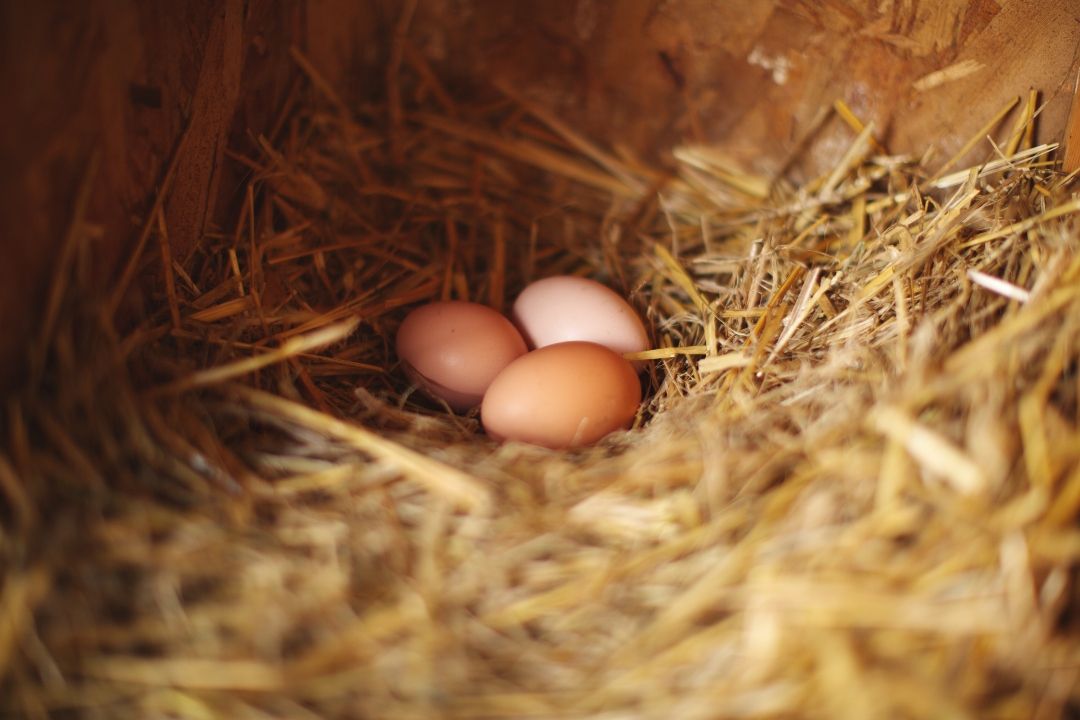
A nesting box should be dark, private and dry, with soft, clean bedding and a 3- to 4-inch lip to prevent eggs from rolling out. Suggested sizes range from 12 by 12 by 12 inches to 14 by 14 by 14 inches.
Runs
Chicken runs prevent your flock from damaging your garden while still allowing for natural behaviors. They also provide exercise and fresh air, improving hen health. Use galvanized mesh and a minimum of 6.5 square feet space per chicken. Provide sun and wind protection and ensure the roof fully covers the run.
Safety
Keeping your chickens secure and out of reach of potential predators is vital for your flock. Use hardware cloth, not chicken wire, to cover all coop openings. Bury fencing at least 10 to 12 inches into the ground and add a perimeter apron extending outward to deter digging predators. Coops should be elevated 8 to 12 inches or have concrete and paver flooring to make it impenetrable.
Use carabiners, locking eye hooks, padlocks and other two-step latches on all doors, nesting boxes and vents. Raccoons are smarter than you think.
Galvanized mesh around your run will protect against climbing predators and birds of prey.
Nutrition
Food
Your flock’s diet and nutritional requirements will shift with the seasons and life stages. They require a balance of proteins, carbohydrates, fats, vitamins and minerals. The easiest way to keep things on track is to start with a good, complete chicken feed made for their stage of life; starter for chicks, grower for young birds and layer feed once they begin laying.
Think of it as their everyday “base diet” that does most of the heavy lifting, keeping them healthy, active and producing well. As the weather changes or they go through things like molting, having that solid feed available all the time helps them stay steady and strong without you having to overthink it.
Supplements & Vitamins
According to Grubbly Farms, vitamins in a chicken's diet can help with bone density, immune system health, gut health, clear eyes, proper egg production, hemorrhage prevention, healthy metabolisms, cell health and preventing nerve damage. Your flock will need fat-soluble vitamins, such as Vitamin A, D, E and K, and water-soluble vitamins, including Vitamin B Complex, Thiamine, Riboflavin, Niacin, Pantothenic acid, Pyridoxine, Biotin, Folate, Vitamin B12 and Vitamin C. Kalmbach Feeds suggests choosing a complete feed appropriate to the life stage of your birds, which should contain all of the nutrients they need in the correct proportions.
Treats
Treats should make up no more than 10% of your flock’s diet. Healthy, occasional treats for your chickens include mealworm, sunflower seeds, turnip greens, strawberries, lettuce, carrots, pumpkin and oatmeal raisin treats. Tractor Supply Co. suggests avoiding sugary foods, which can cause obesity and egg-laying problems. Absolutely do not give your flock raw potato peels, garlic, onions, dog or cat food, dairy products or milk chocolate.
Feeders
Pick a feeder that works for your flock based on the number of birds, budget and pest control needs. Treadle feeders are best for controlling pests and reducing waste. Hanging bell or tube feeders reduce waste with the suspended design, intended to stop chickens from scratching. PVC pipe or tube feeders are mounted on the wall of the coop to prevent tipping and scratching and offer a low-cost option. Trough feeders are ideal for small spaces, made from plastic or metal, and feature dividers to reduce waste. Providing feeders in more than one location will ensure your flock always has access to feed.
Water
Your birds will require an adequate supply of fresh, clean water that is not hot. A common suggestion is to provide one quart of water for every four chickens, as they will consume about three times as much water as they do feed.
When temperatures drop, check on the water multiple times a day to ensure it hasn’t frozen or consider implementing some kind of water warmer or heater.
Health & Care
Flock Observation
Keep an eye out during morning and evening routines for signs of illness, including lethargy, drooping wings, labored breathing or isolation. All birds should be moving freely, eating and drinking. Be sure to note any changes in color, cleanliness or condition of combs, wattles, eyes and feathers.
Count your flock daily; this confirms no one is missing or injured. Watching their behavior regularly will establish a baseline for “normal” activity and help spot when something is amiss.
Sanitation
Clean and replace bedding, remove manure from roosting and nesting areas, disinfect high-contact surfaces, such as feeders and waterers, and inspect birds for external parasites on regular schedules.
Providing chickens with dust baths can help them self-manage parasites.
First-Aid
If you spot an injured bird, separate them from the flock to prevent pecking and further stress. Minor wounds can be cleaned with a gentle antiseptic or saline rinse and infections can be prevented with poultry-safe antiseptic sprays or ointments. Observe the bird for signs of infection, such as swelling, heat or discharge.
Only use clean bandaging when necessary for more serious minor wounds.
A basic poultry first aid kit with essentials, such as gloves, antiseptic, gauze and scissors, should be kept on hand.
Daily Chicken Keeper Routine
- Refresh feed and ensure clean water is available at all times
- Collect eggs daily to reducwe breakage and egg-eating behavior
- Conduct a visual flock check for normal behavior
- Remove soiled bedding and lightly refresh nesting areas
- Remove visible waste and damp spots
- Secure all doors, latches and run access points at dusk
- Count and confirm all your birds are safely inside before locking up
- Check the coop and run for signs of predator activity
- Check for scattered feathers, digging, damaged wire or other disturbances
- Note any unusual behavior, feed consumption or egg production
Tags:Featured











Chicken Whisperer is part of the Catalyst Communications Network publication family.