Alternative Backyard Flocks
Exploring Poultry Types on the Homestead

When people picture a backyard flock, they usually imagine chickens first. A few hens scratching around the yard, maybe a rooster announcing the sunrise a little earlier than requested and a basket of eggs on the kitchen counter. Chickens are often the gateway into poultry keeping, and for good reason. They are familiar, useful, entertaining and easy for most beginners to understand.
But chickens are only one part of the poultry world.
On our farm, Stellar Game Birds, Poultry, Waterfowl LLC, we have always believed that a good flock should match the goals, space and lifestyle of the person keeping it. Some people want eggs. Some want meat. Some want pest control. Some want heritage breed conservation. Some just want something beautiful and interesting to watch while drinking coffee in the morning. There is no one-size-fits-all bird, and that is exactly why alternative backyard flocks are worth talking about.
Ducks, geese, quail, turkeys, guineas and other game birds each bring something different to the homestead. They also come with different needs, and that part matters. Alternative poultry can be rewarding, but they are not “just chickens with different feathers.”
Ducks: The Happy Mess Makers
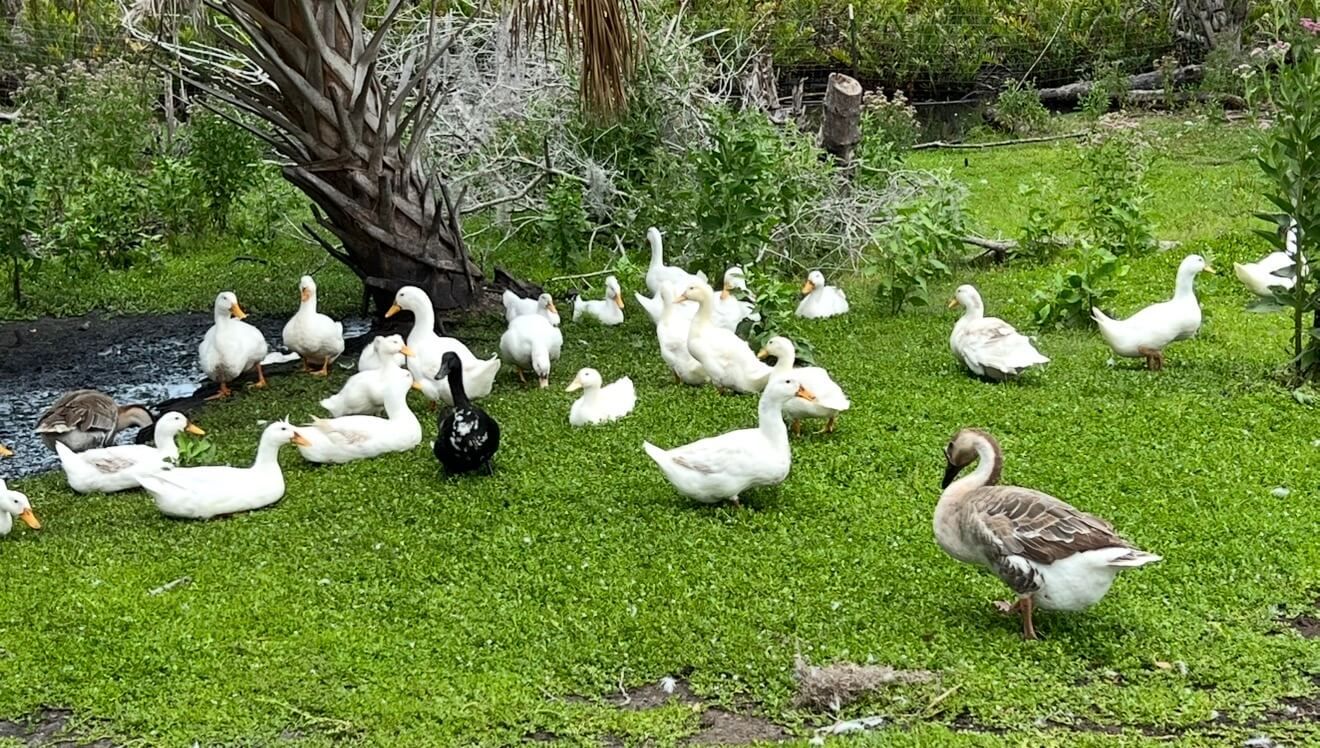
Ducks are often one of the first birds people add after chickens. They are hardy, charming and full of personality. If chickens are busy little yard managers, ducks are the comedians of the poultry world.
Ducks can be wonderful for eggs, meat and entertainment. Their eggs are larger and richer than chicken eggs, making them a favorite for baking. Many people who bake regularly love duck eggs for breads, cakes and custards. Ducks are also excellent foragers and enjoy hunting for bugs, soft-bodied insects and whatever else they can find while waddling through the yard.
The biggest thing new duck owners need to understand is that ducks are wet. They do not need a pond, but they do need water deep enough to clean their bills and nostrils. They will splash. They will drill holes in the mud. They will turn a clean water pan into a swampy science project faster than you thought possible.
Good drainage, secure housing and realistic expectations make duck keeping much easier. Ducks are not difficult, but they are messy. If you can manage the water, they can be an excellent addition to a backyard or acreage flock.
Geese: Loyal, Loud & Full of Opinions
Geese are not for everyone, but in the right setup, they are incredible birds. They are intelligent, social and very aware of their surroundings. A goose does not quietly exist in the background. A goose has announcements to make.
Many acreage owners appreciate geese because they are excellent alarm animals. They notice changes quickly and will let everyone know when something is unusual. This does not replace predator-proof housing, but it can add another layer of awareness to the farm.
Geese are also grazers. Heritage breeds such as Cotton Patch and Pomeranian geese have long histories connected to practical farm use, grazing and sustainable homestead systems. For families with pasture or grassy areas, geese can be a helpful and beautiful addition.
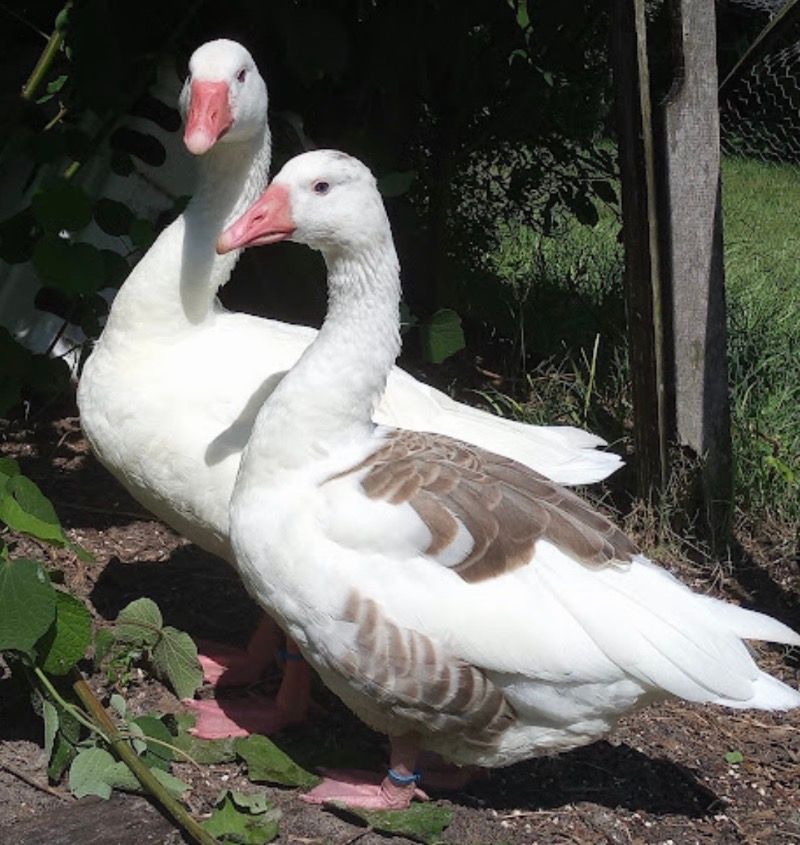
However, geese need respect. They need space, companionship and proper handling. A lonely goose can become stressed or overly bonded to people, and a breeding-season gander can be a lot of bird to manage. They are not pond decorations. They are livestock with strong social needs and big personalities.
If you are considering geese, start with research and proper fencing. Give them other geese, safe shelter and room to be geese.
Quail: Small Birds With Big Purpose
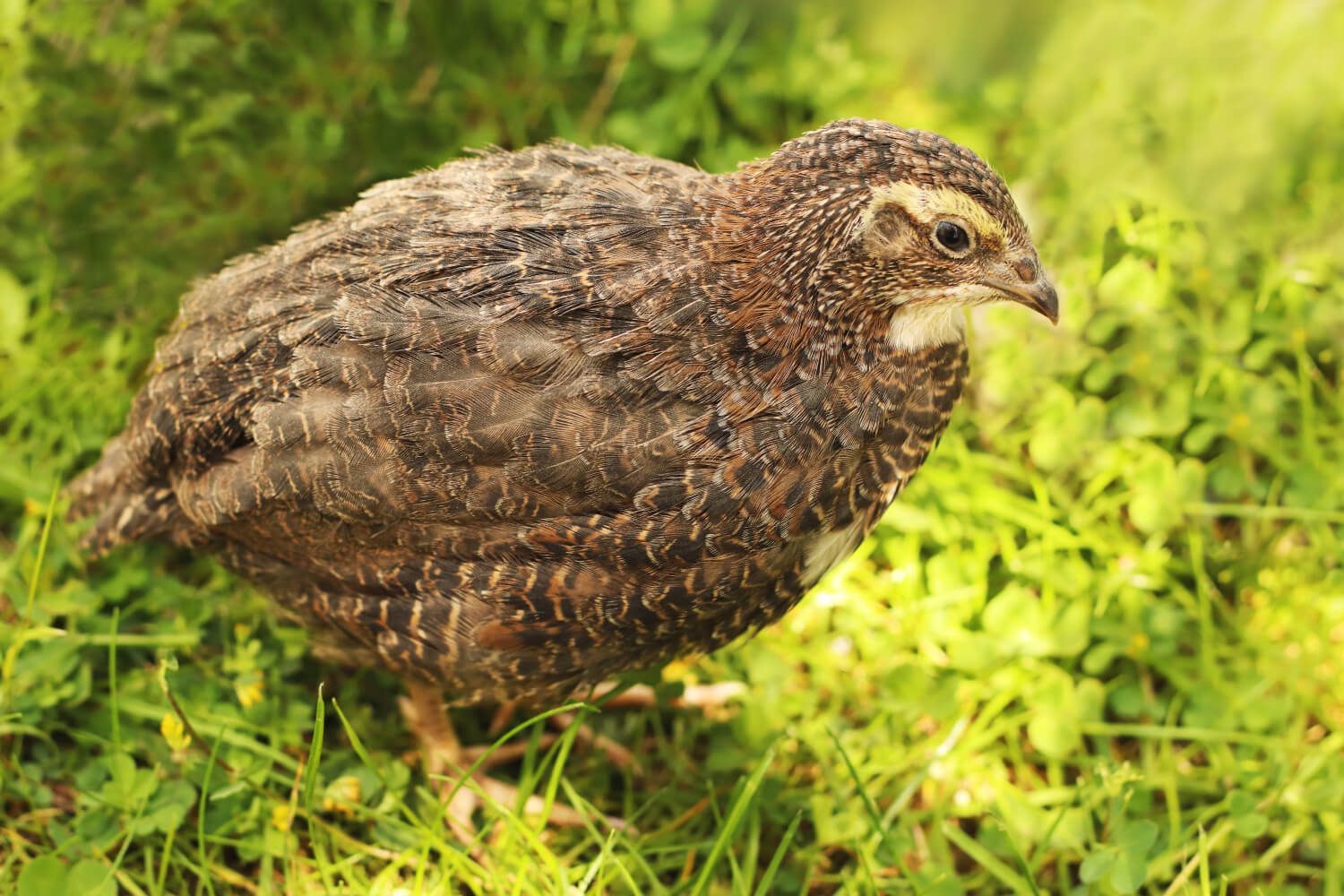
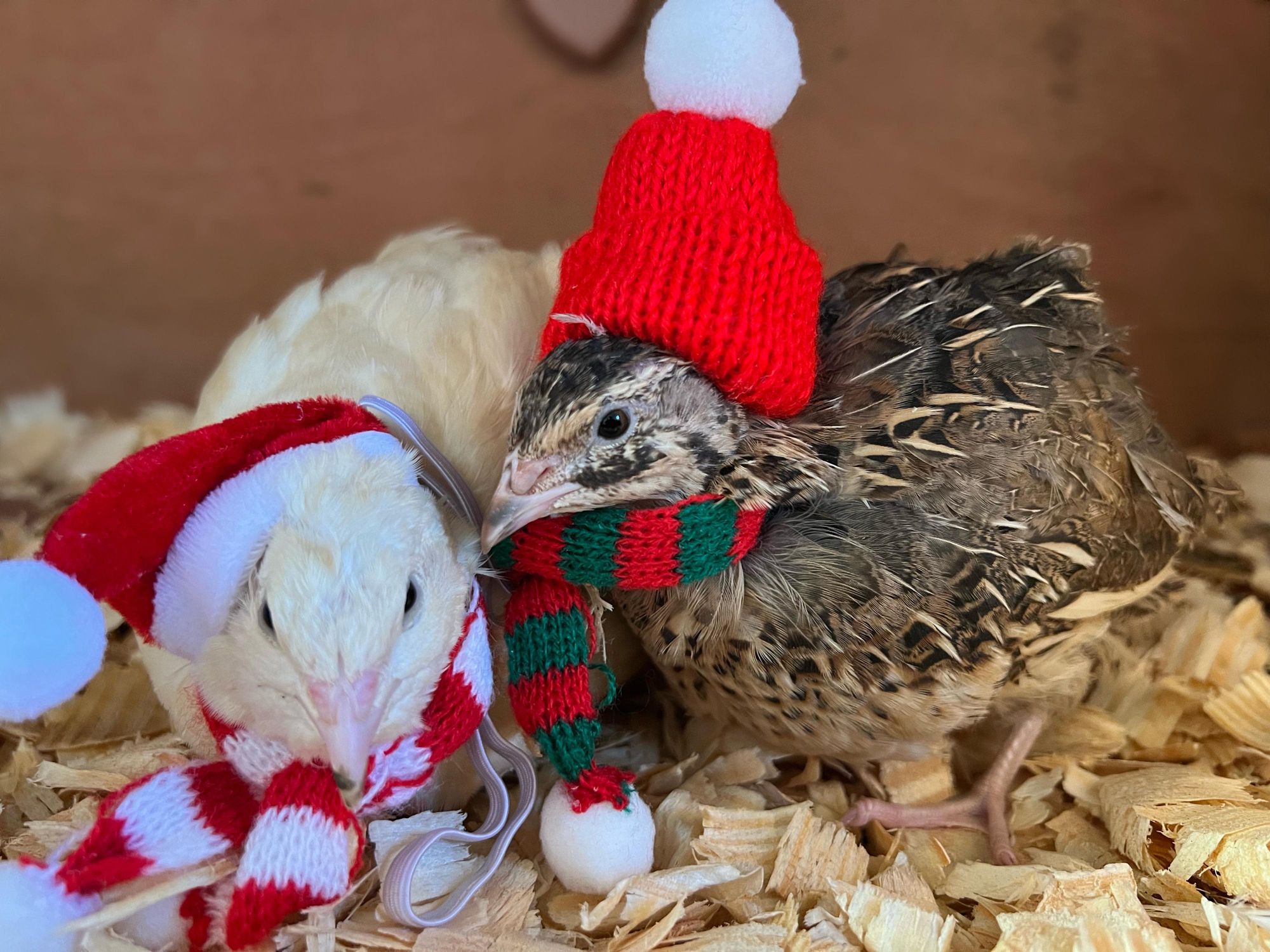
Quail are near and dear to my heart. Coturnix quail, especially, are one of the most practical alternative poultry species for small homesteads, urban keepers and acreage owners who want production without needing a large coop.
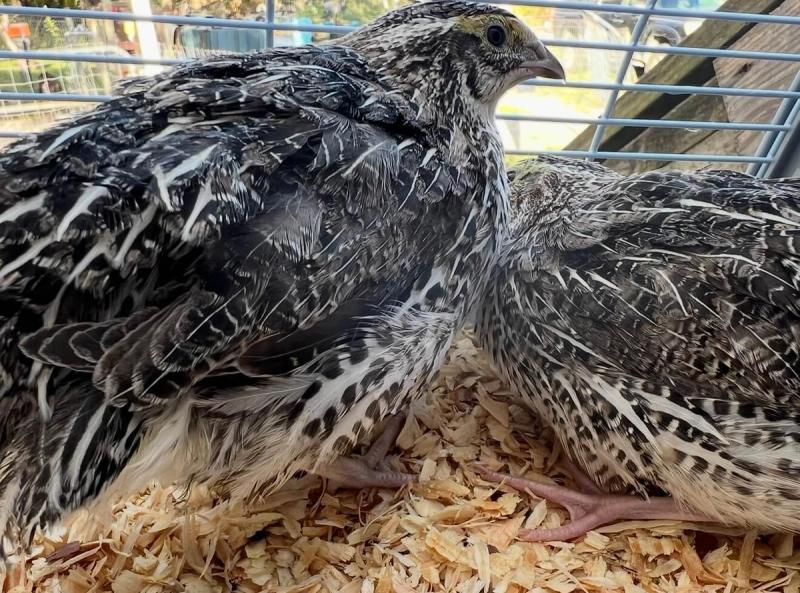
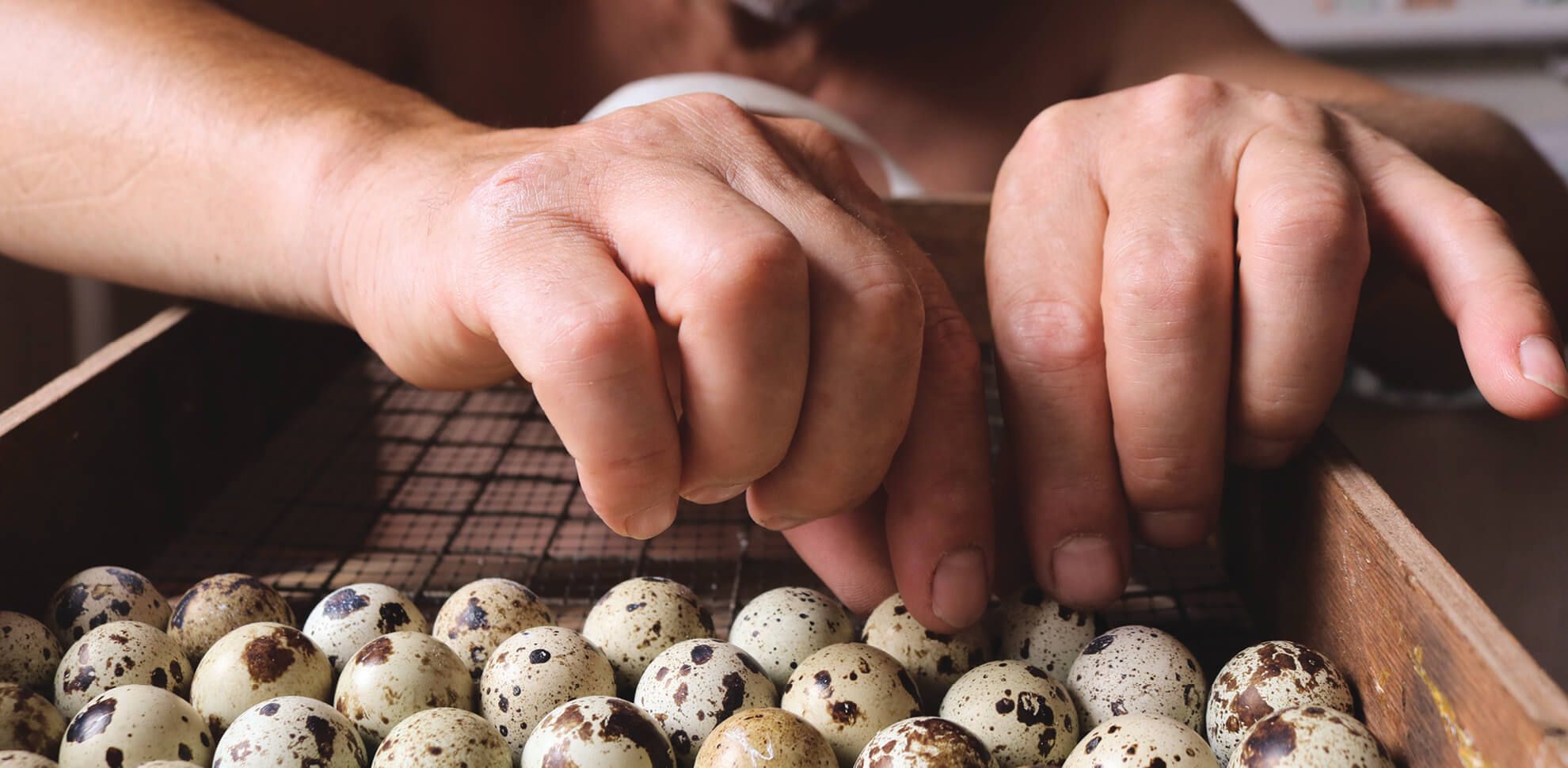
Coturnix quail mature quickly, lay beautiful speckled eggs and can be raised efficiently in a smaller footprint than many other poultry types. Their eggs are tiny works of art, and every hen seems to have her own pattern. That never stops being special.
Quail can also be used for small-scale meat production. They are efficient, productive and manageable for people who may not have the space or ability to raise larger poultry. This is one reason they have become popular with homesteaders who want more control over their food system.
But quail are not tiny chickens. They have different nutritional needs, different housing needs and different predator risks. Coturnix should not be housed with chickens because of disease concerns and management differences. They also need secure housing designed for their behavior, including the way they can flush upward when startled.
For the right keeper, quail are one of the best examples of how small livestock can still have a big impact.
Turkeys: Heritage, Flavor & Personality
Turkeys are often thought of only as a holiday bird, but they deserve more credit than that. Heritage turkeys are beautiful, social and surprisingly personable. They can be curious, interactive and sometimes downright nosy. If you have ever had turkeys follow you around the farm like they are supervising chores, you know exactly what I mean.
Heritage breeds such as Bourbon Red, Narragansett and Royal Palm turkeys bring history and genetic diversity to the farm. They grow slower than commercial broad-breasted types, but they offer natural breeding ability, rich flavor and conservation value.
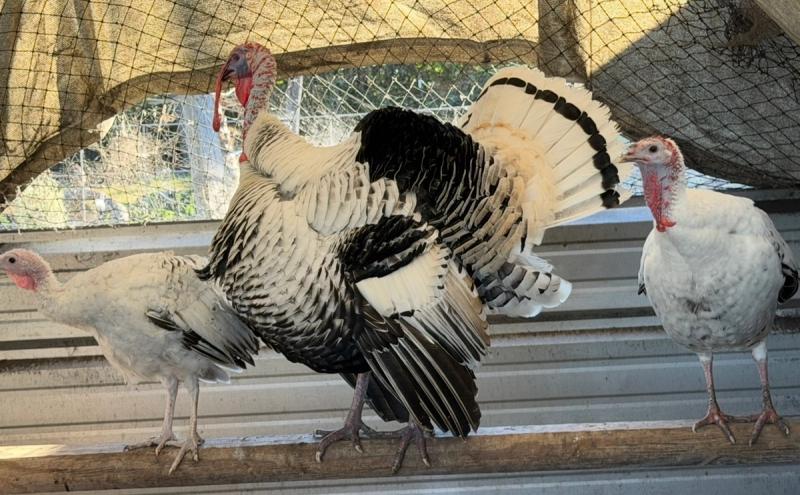
Raising turkeys does require attention, especially when they are poults. Young turkeys need proper warmth, clean bedding, good nutrition and careful brooder management. Once they are established, they can be hardy, but those early weeks matter.
Turkeys also need space and companionship. They are not birds I recommend raising as singletons. Similar to most poultry, they do better when they have others of their own kind.
For families interested in raising their own holiday meat or preserving heritage breeds, turkeys can be deeply rewarding.
Guineas & Game Birds: Useful, Wild-Hearted & Not for Everyone
Guinea fowl are chaos in polka dots. They are loud, alert, active and independent. They are also useful for many farms, especially where pest control and predator awareness are important.
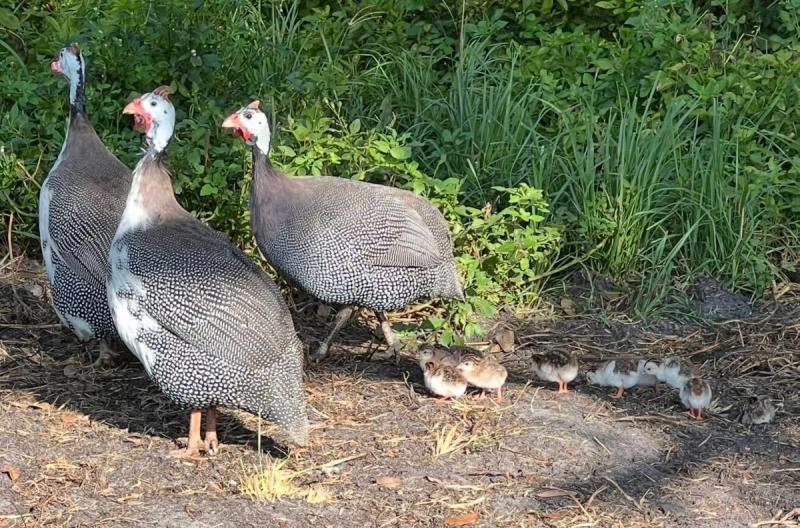
However, they are not always easy to contain, and they do not always follow the rules that chickens tend to learn. They range, they call and they have opinions about bedtime.
Other game birds, such as pheasants, peafowl and specialty quail species, can add beauty, education and diversity to a farm. Some are ornamental. Some are used for conservation or breeding projects. Some are simply fascinating to raise. But these birds often require more specialized housing, permitting, predator protection and management than standard backyard poultry.
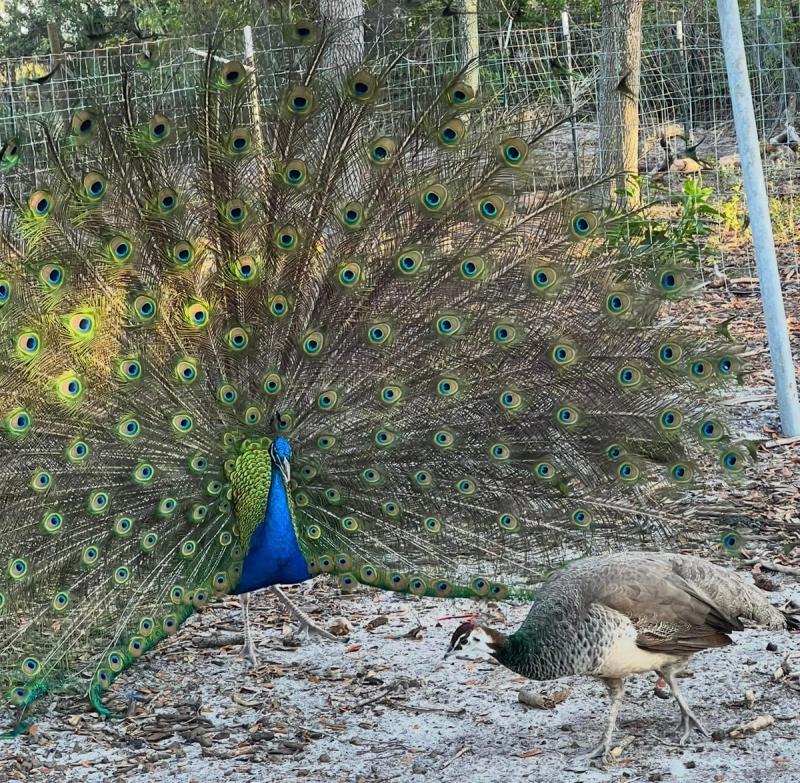
That is where research matters. Alternative poultry should never be an impulse purchase. The more unique the bird, the more important it is to understand its needs before bringing it home.
Choosing the Right Bird for Your Farm
Before adding any poultry type, ask yourself what your real goal is. Do you want eggs, meat, pest control, conservation, beauty, education or a combination? How much space do you have? What predators are common in your area? Can you provide proper feed, housing and companionship?
Also, remember that mixed flocks are not always simple. Chickens, ducks, geese, quail, turkeys, guineas and game birds all have different needs. Some can coexist with good management, while others are better kept separately. Feed requirements, water needs, disease risks, size differences and breeding behavior all matter.
The best flock is not always the most unusual flock. The best flock is the one that fits your land and your life.
Alternative backyard flocks can bring so much joy and purpose to a homestead. Ducks make us laugh. Geese keep us humble. Quail prove that small livestock can be mighty. Turkeys connect us to heritage food systems. Guineas make sure no suspicious leaf goes unannounced.
When chosen thoughtfully, alternative poultry can make your acreage more productive, more diverse and a whole lot more interesting. And honestly, farm life is never boring when the morning chorus includes clucks, quacks, honks, whistles, gobbles and guinea alarms.











Chicken Whisperer is part of the Catalyst Communications Network publication family.