How Your Backyard Flock Can Bring You Income
And Other Benefits Beyond Money

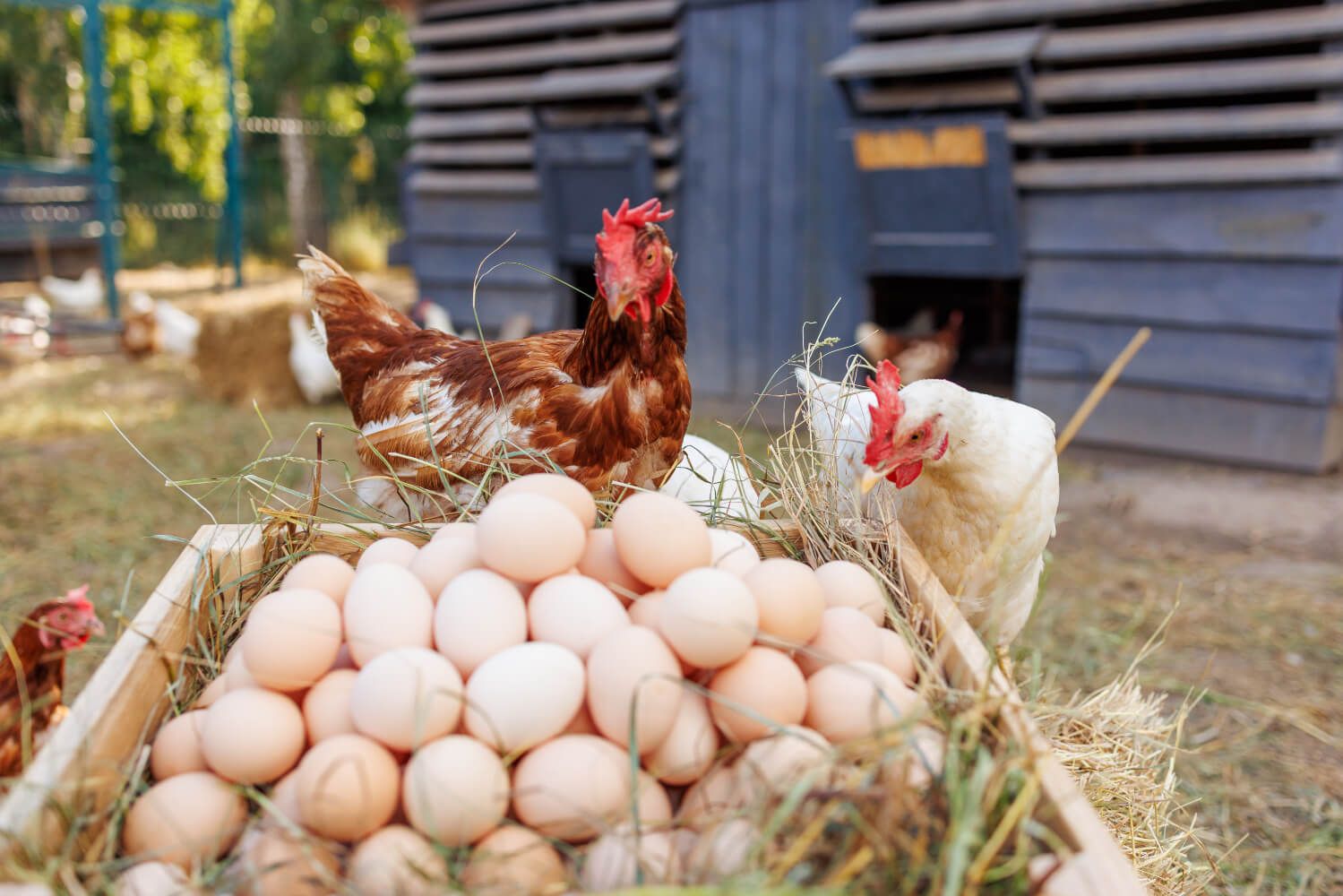
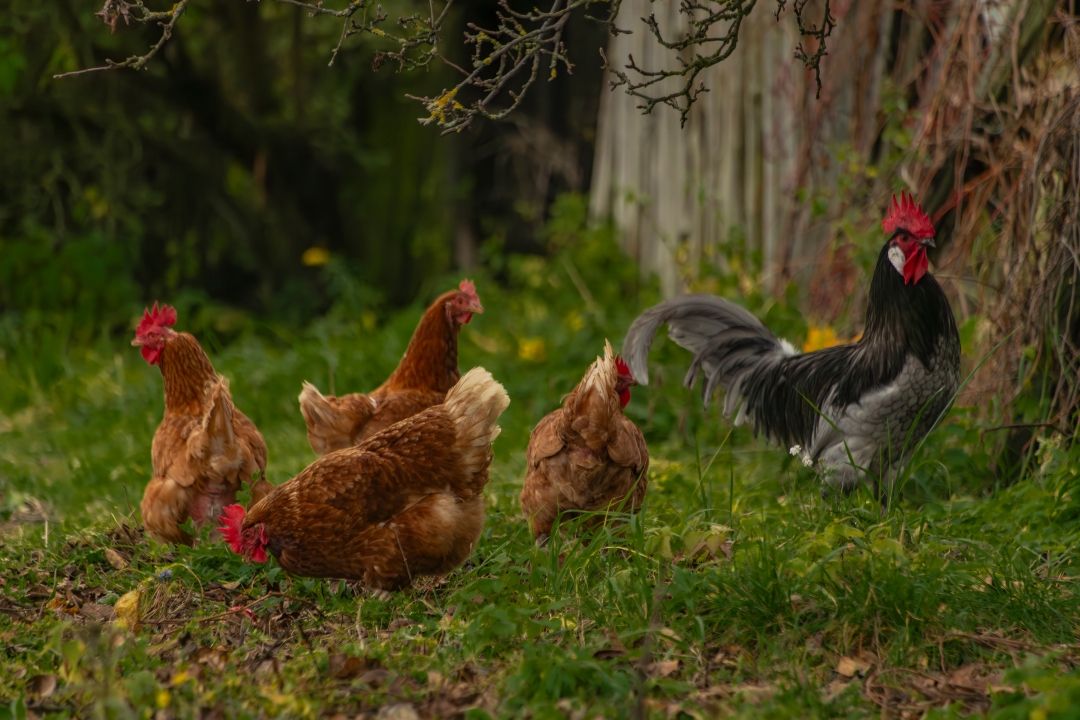
For many suburban families and small homesteaders, having backyard chickens is beautifully emblematic of country life, and it may begin simply as a hobby or family activity. Fresh eggs, colorful hens and the simple pleasure of caring for animals are enough to justify keeping a small flock. But after a few months, many chicken owners discover they have more eggs than they can use. After giving away carton after carton to friends and family, an inevitable question comes up: Can a backyard flock actually make me money?
The short answer is yes. But only if you approach it as you would any business prospect and do so with realistic expectations. You won’t make bank with a flock of 20 to 50 chickens, and it likely will not replace a full-time job, but it can generate enough income to cover feed costs and provide extra spending money throughout the year. In some cases, a well-managed flock can produce several thousand dollars in annual profit.
Fresh Eggs Are the Foundation
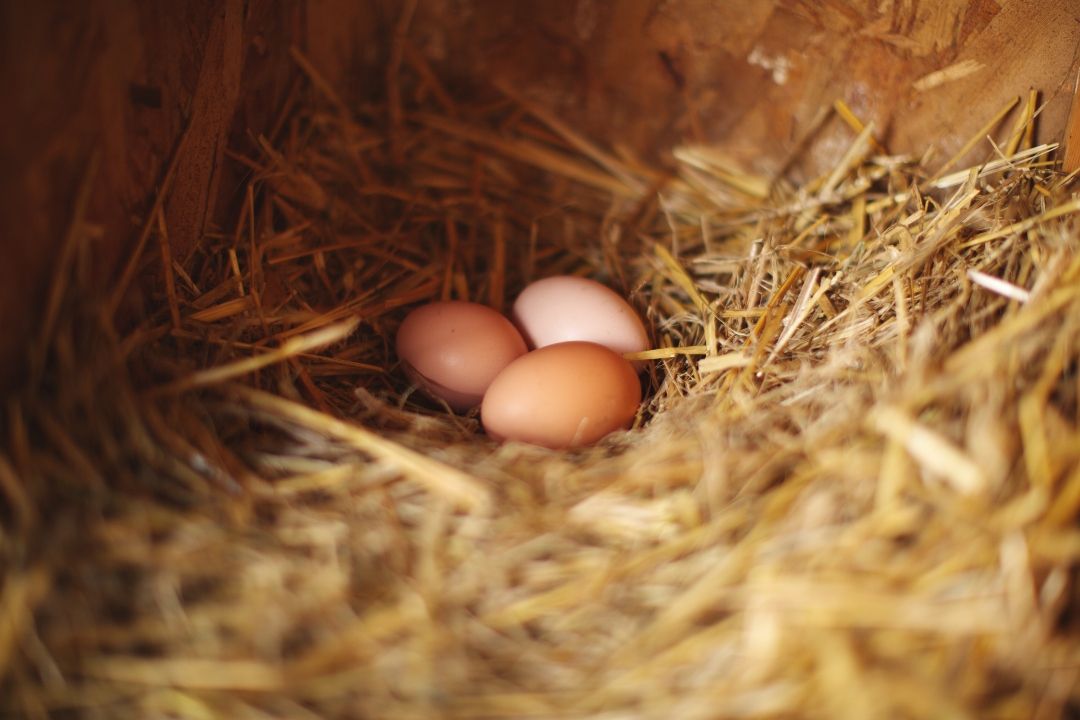
For most backyard flock owners, egg sales are where it all begins. According egg market and poultry production statistics from the United States Department of Agriculture (USDA), Americans continue to consume large quantities of eggs each year, and interest in locally produced food remains strong. Many consumers are willing to pay more for eggs from a nearby flock rather than from a grocery store. What customers are really buying is not just the eggs themselves. They’re buying freshness, quality and trust. They know where the eggs came from and how the birds were raised. For many buyers, that’s worth paying a premium.
As poultry author Gail Damerow noted in her book, “Storey’s Guide to Raising Chickens,” good flock management directly affects production. Healthy hens housed in clean conditions simply lay more eggs and produce a better product. A flock of 30 laying hens can realistically produce around 20 to 25 eggs per hen each month, depending on breed, age, season and management. That’s enough to provide a steady supply of eggs for sale while still leaving plenty for your own family.
Adding a Rooster Opens New Opportunities
While a rooster doesn’t contribute to egg production, he does create opportunities for additional income. Once eggs become fertile, they can be sold to people who enjoy hatching their own chicks. Fertile eggs often sell for considerably more than eating eggs, particularly when they come from desirable breeds.
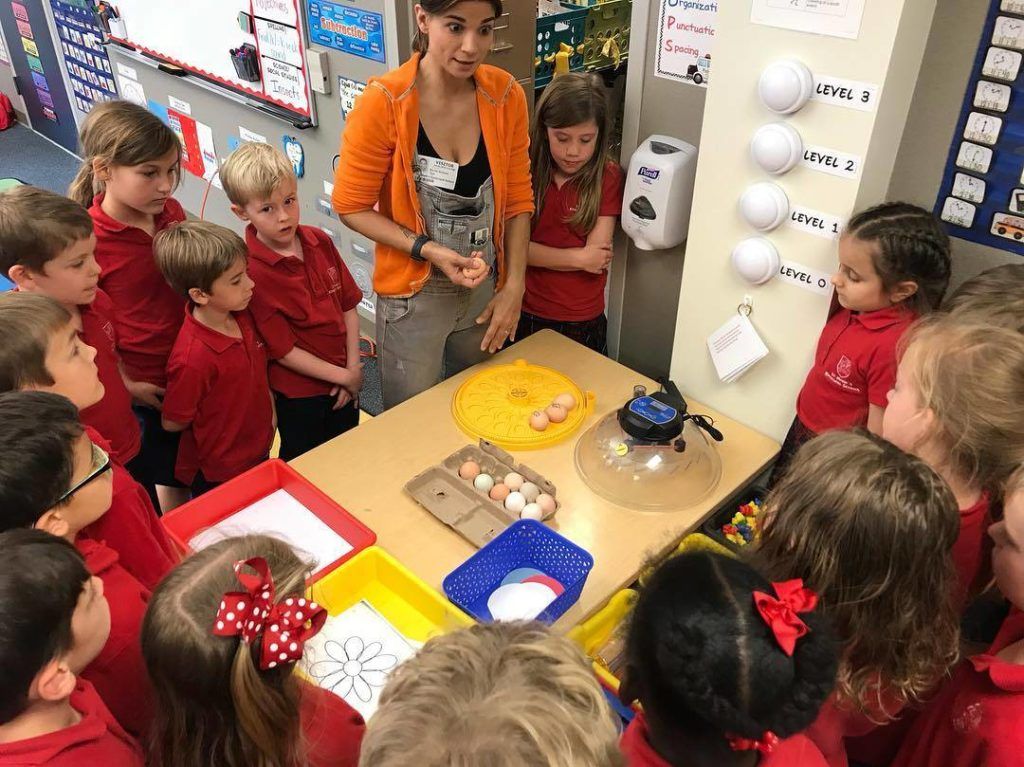
Many backyard poultry enthusiasts enjoy incubating eggs as a family activity or to build their own flocks. Purchasing fertile eggs from a local breeder is often more convenient and less expensive than ordering them through the mail. A single rooster can therefore add value to the flock without significantly increasing operating costs.
Chicks & Pullets Can Increase Profitability
Many experienced chicken keepers eventually discover that selling birds can be even more profitable than selling eggs. Spring is typically the busiest season for chick sales.
Some buyers want baby chicks, while others prefer birds that are already several months old and close to laying age. These young hens, known as started pullets, often command a higher price because buyers avoid the work and uncertainty involved in raising chicks themselves. A healthy pullet that will begin laying within a few weeks is attractive to first-time chicken owners who want quick results. Selling a few dozen chicks or pullets each year can significantly improve the overall income generated by a modest flock.
Don’t Overlook Chicken Compost
Every flock produces manure, and while cleaning the coop may not be anyone’s favorite chore, that waste has value. Old farming wisdom states that “waste is only waste until you find a use for it.” According to many gardening experts, composted chicken manure is one of the richest natural fertilizers available for home gardens. When properly composted, it provides nutrients that help improve soil health and plant growth.
Gardeners are often willing to purchase composted manure, especially when commercial fertilizer prices are high. While compost sales alone are unlikely to generate substantial income, they help turn a natural byproduct of your chicken business into a salable commodity.
Breeds That Can Bring Premium Prices
Another strategy involves raising particularly desirable breeds. Organizations such as the Livestock Conservancy encourage the preservation of older poultry breeds (heritage breeds), and many chicken enthusiasts actively seek birds with unique genetics and appearances (specialty breeds).
Unlike large hatcheries that compete on volume, small flock owners can focus on the quality of heritage and specialty breeds. Carefully selected breeding stock, fertile eggs and healthy young birds often command premium prices when buyers are looking for specific breeds. Building a reputation takes time, but repeat customers can become one of the most valuable assets a small poultry operation has.
An Example
Let’s take a look at some real numbers using a simple example of a backyard flock of 30 heritage hens and one rooster.
Annual income might look something similar to this:
- Egg sales: $4,300
- Fertile egg sales: $250
- Chick sales: $900
- Compost sales: $150
Total annual income: approximately $5,600
Now consider annual operating expenses:
- Feed: $700
- Bedding and supplies: $500
- Packaging, maintenance and miscellaneous costs: $400
Total annual expenses: approximately $1,600
That leaves an estimated annual profit of about $4,000. Actual numbers will vary depending on feed prices, egg prices, local demand and the productivity of the flock. Some owners will earn less, while others who focus on specialty birds or premium egg markets may earn considerably more.
Benefits Beyond Money
So, yes, it is certainly possible to make an income from raising backyard chickens. But if that were your only motivation for keeping a flock, you may be missing out on an even more meaningful and satisfying benefit. A video on the Once Upon a Farm YouTube channel suggests that a better question to ask may be whether doing so can help you need less money in the first place. The video argues that there is more to life than turning everything you own into money. Instead, the focus should be on using what you do own to help in creating greater food security and reducing dependence on outside systems.
Perhaps the greatest return on investment is harder to measure than money. Keeping chickens reconnects people with the source of their food and the rhythms of the seasons. It teaches responsibility, patience and a degree of self-reliance that is becoming increasingly rare. There is satisfaction in gathering eggs from your own hens, caring for animals well and knowing that at least part of your family’s food supply comes from your own backyard. In a world where so much is outsourced and disconnected, a backyard flock provides a daily reminder that this personal investment in time and effort helps lead the way to a more self-sufficient life, one egg at a time.
Tags:Plain Talk











Chicken Whisperer is part of the Catalyst Communications Network publication family.