Questioning Cornish Cross
Why More Farmers Are Swapping Conventional Chicken for Alternative Breeds

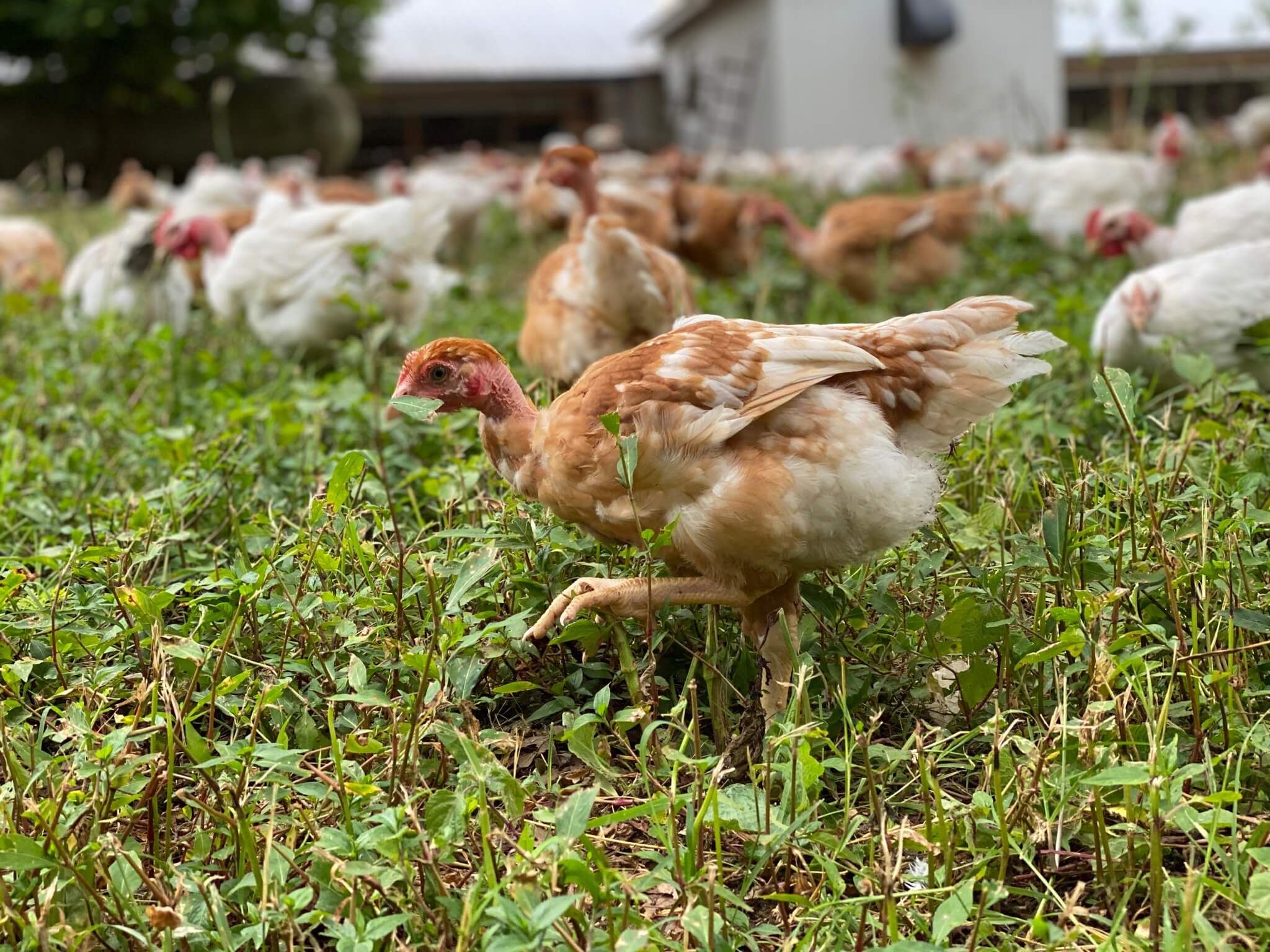
For many acreage owners, broiler chickens start out as a straightforward addition to the farm. Whether they arrive by mail, truck or hatch on farm, it is a delight to have a new flock of fuzzy baby chicks.
By the time of year when pastures turn green and chicks are growing fast, many farmers see that conventional Cornish Cross chicken breeds are not well-equipped for pastured life. As you watch your flock struggle to thrive, sit dormant on pasture or wonder why these young birds have such high mortality rates, you may be considering the switch to alternative breeds.
The Cornish Cross Compromise
The Cornish Cross breed is widely used in both extensive and intensive farming systems for a few reasons: they are readily available, grow rapidly, convert feed quickly and reach market weight in six to eight weeks.
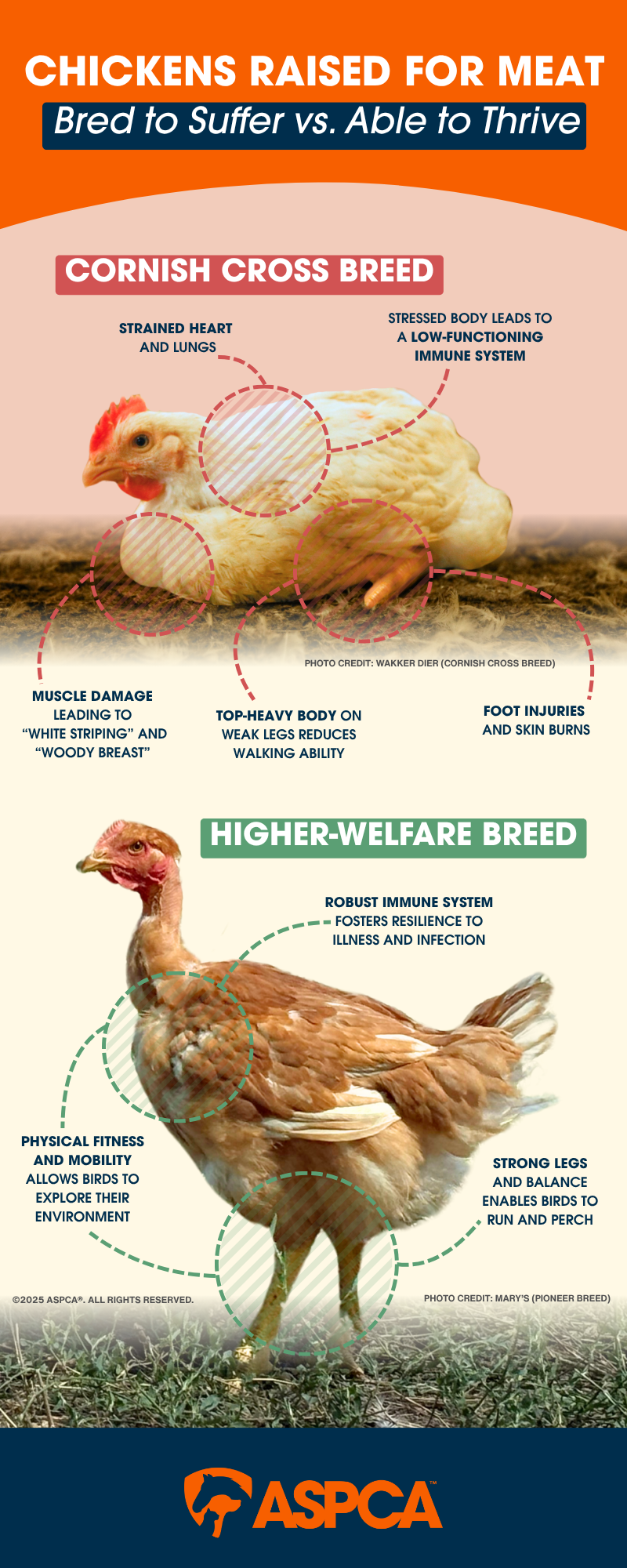
But cheaper chicken that U.S. consumers have grown accustomed to comes at a significant cost. The rapid growth and selection for bigger breast yield is detrimental to animal health and welfare — in addition to poorer meat quality and farmer dissatisfaction.
For context, if a human infant grew at the same rate as conventional chicken breeds, a two-month-old baby would weigh more than 600 pounds. For the chickens, their rapid weight gain negatively impacts their ability to walk and perch and predisposes them to heat stress and impaired immunity.
In a University of Guelph study of 16 broiler chicken breeds, research showed that rapid growth chickens with large breast yields had higher rates of muscle damage, inadequate organ development and poorer foot and leg health. Meat quality issues are more common in breeds with rapid growth genetics, which may impact customer satisfaction. For farmers, a compromised animal requires closer management and the goal of healthy animals in step with their environment is harder to realize.
Farmers aren’t alone in questioning the Cornish Cross. In the last ten years, public awareness has risen about the problems these birds experience due to their breeding. A 2026 survey of U.S. consumers showed that eight in 10 Americans agree that animal welfare certifications should require the use of slower-growing breeds. Still, many farmers have struggled to make the transition to alternative breeds, even if they were frustrated by the experience of raising Cornish Cross. That’s changing as new breeds hit the market that balance performance with animal welfare.
What Defines a Higher-Welfare Breed
If you are curious about better, healthier chicken breeds that don’t come with the vast array of welfare issues caused by rapid growth genetics, there are certain attributes worth seeking out to fit a pasture-based farm setup and ensure consumer satisfaction.
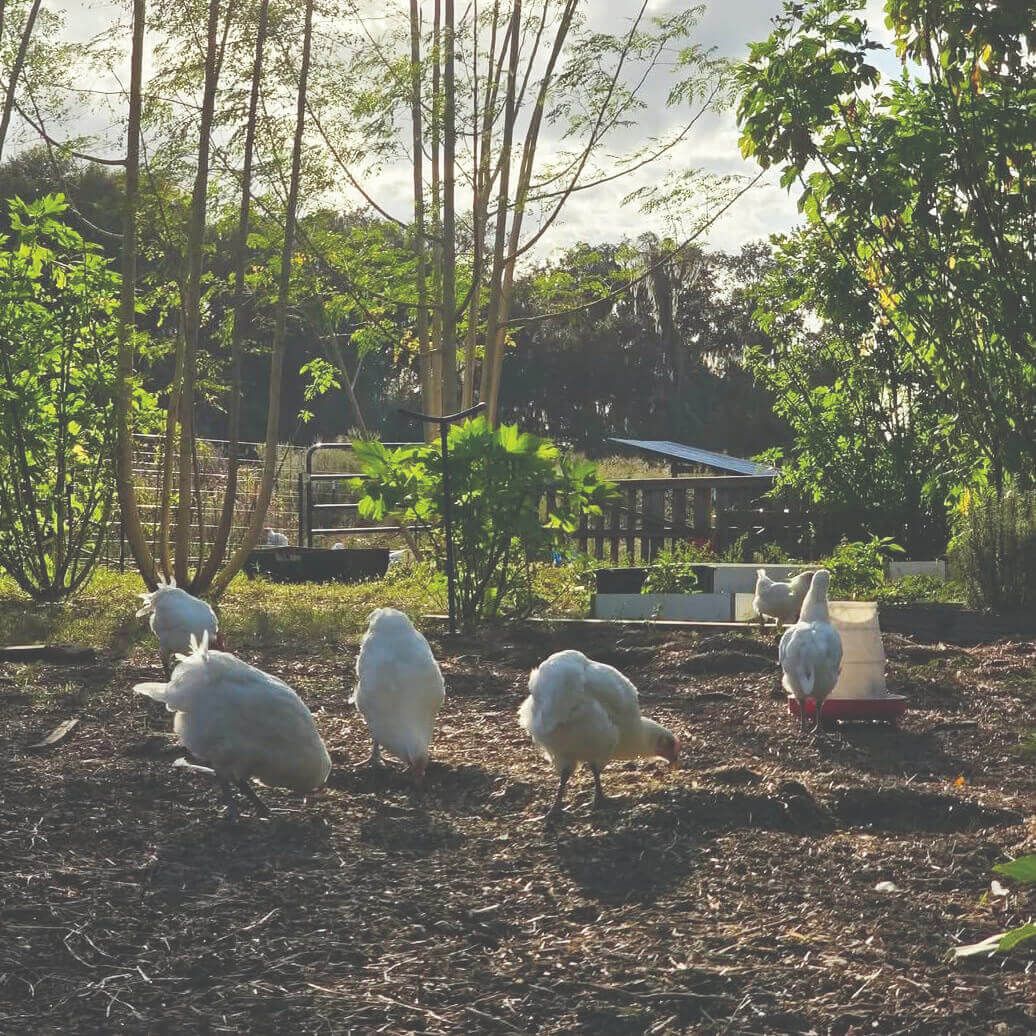
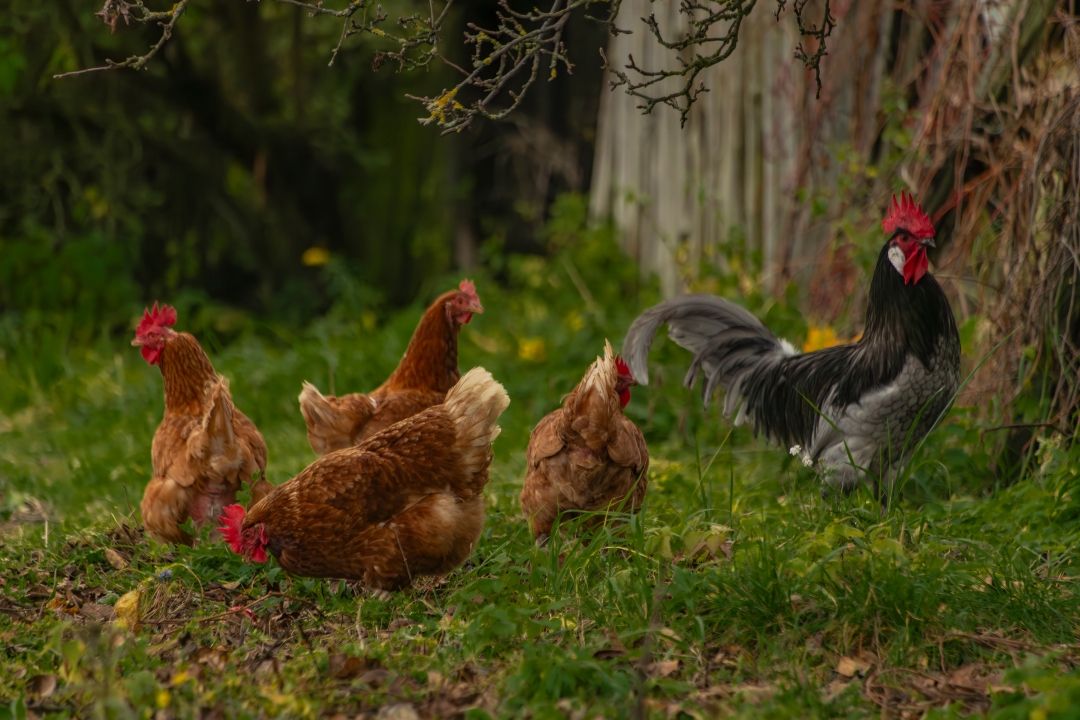
Mobility and agility traits allow birds to explore their environment. Active birds with strong legs can forage and seek out nutrition from insects, grubs, seeds and plants. A more active bird also distributes its droppings more widely, positively impacting soil and plant health.
Hardiness and robust immunity traits allow chickens to handle temperature changes and other weather conditions for easier management, in addition to showing resilience to illness and infection with less intervention. Lower mortality rates ensure farmers aren’t paying for chicks, plus the feed and other inputs, that ultimately won’t make it to market.
Meat quality indicators, such as a low percentage of woody breast and white striping, are signs to look for; as is the presence of yellow skin. Slower-growing breeds can be more flavorful, too.
Better Chicken Breed Options
In addition to commonly known heritage breeds and slower-growing breeds, such as the Freedom Ranger, there are more than a dozen breeds that are considered higher welfare that perform well on animal welfare indicators and performance metrics, such as growth rate and feed conversion. The Pioneer and Redbro are two of these breeds that are now available in at least seven U.S. hatcheries.
For farmers pursuing certification programs, it is worth noting that higher welfare breeds are required by Animal Welfare Approved by AGW, Regenerative Organic Certified and Soil & Climate Initiative, as well as the higher steps of Global Animal Partnership.
If you are considering switching breeds, there may be funding available. Food Animal Concerns Trust (FACT) runs an annual Fund-A-Farmer grant, and the ASPCA also offers grant program opportunities for breed trials and research, focused on higher welfare breeds, as well as individual grants for compelling projects.
Planning Ahead for a Successful Season
Higher welfare breeds are generally not as breast-heavy and instead have a more balanced body proportion. The chicken meat from slower-growing breeds will likely have fewer visual quality issues, such as white striping, and is shown to have more protein and yellow skin, which can be a sign of culinary quality and nutrients for consumers and retailers. Being prepared to highlight these changes can be helpful, so your customers are educated about the benefits of better breeds.
Slower-growing birds may take longer to reach market weight — at least nine weeks for the fastest. Since they are alive for longer, they may consume more feed than Cornish Cross — or they may not, depending on the quality of forages.
You can expect a lower mortality rate from higher welfare birds. These and other differences should be accounted for in your planning.
For newer farmers, healthier birds might be harder to catch, so planning your corral and catch method ahead of time will minimize that difference. If you aren’t slaughtering on farm, it is important to discuss expected timelines with your processor and to be upfront about the breeds you are using in case they have specific requirements for farmers not using Cornish Cross.
What Are Farmers Saying?
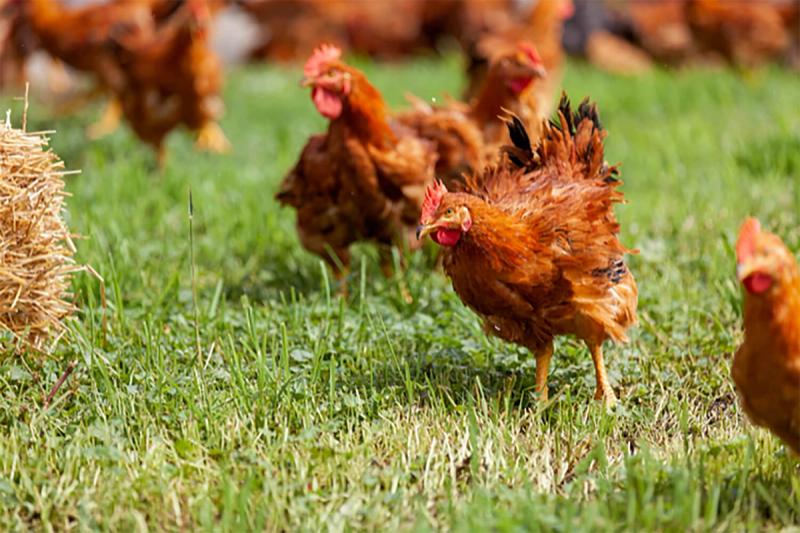
There are increasingly more alternative breed options available for farmers to raise, and both the chickens and producers who are raising them benefit when this switch is made.
Vanessa Frias, co-owner of Willowbrook Farms in Michigan, says:
“Using the Pioneer helps us to look forward to the future of farming. Cornish chickens are not meant for outdoors. Transitioning to a slower and foraging bird has changed our operation for the better.”
Samantha Gasson, co-owner of Bull City Farm in North Carolina, says:
“One of my greatest joys is watching our birds run around their pasture doing their chicken-y thing. Last summer, we accidentally got a dozen Cornish Crosses in with our Freedom Rangers. The Cornish Cross watched as their feathered friends hunted insects; they just existed while their slower-growing counterparts thrived. Every weekend at our farmers’ market, we receive compliments about the taste and texture of our chicken. All of the other poultry vendors at our markets are raising their birds outdoors in a similar way to us; we’re all processing on farm, and we’re feeding the same feed from the same feed mill — the only difference is that we opt for a slower growing bird… Breed matters, and consumers notice the difference in quality.”
Reginaldo Haslett-Marroquin, co-owner of Salvatierra Farms and founder of Regenerative Agriculture Alliance in Minnesota, says:
“As a farmer, optimizing rural livelihoods in a way that is independent of extractive systems is critical, and opting for the right livestock genetics that align with those goals is crucial. Salvatierra Farms conducted research with support from the ASPCA and the Regenerative Agriculture Alliance that showed the adaptability of the Pioneer breed to actual free-ranging conditions. The Pioneer is a slower growing breed compared to industrial options, yet is proven to make sense for market — a true gem in poultry genetics.”
Farmers who have made the switch to better breeds express pride in their healthy chickens scratching, pecking and foraging, and these birds are turning into a competitive advantage in the market. With more alternative genetics and supportive resources available, it’s easier than ever to make the switch and benefit from better breeds.
The ASPCA maintains an up-to-date list of hatcheries that prioritize higher welfare breeds to make getting started easier. For farmers looking to source these options, contacting your local hatchery directly to express interest will also help even more farmers benefit from this growing market.











Chicken Whisperer is part of the Catalyst Communications Network publication family.