Spring Breeding Prep
Ensuring Your Flocks Are Ready for a Successful Season

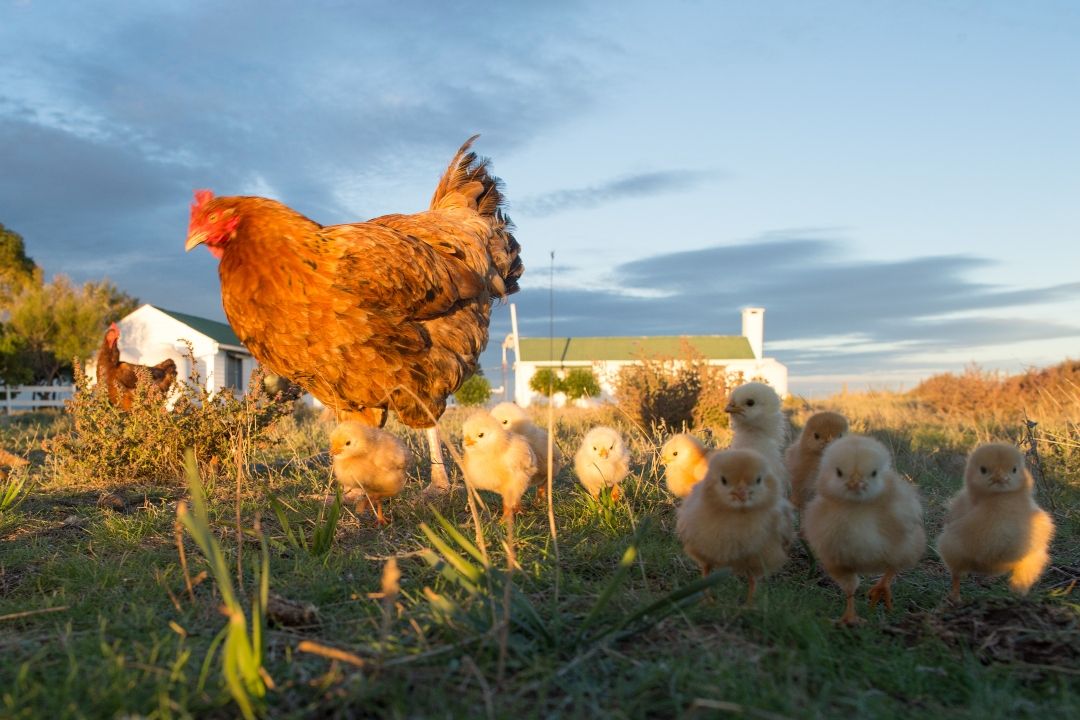
Spring is the heartbeat of a diversified farm. It’s the time when life restarts — eggs fill the incubator, goat kids and piglets take their first steps and the land itself begins to awaken. For operations like mine, where poultry, dairy goats, pigs and quail coexist in a carefully balanced system, spring breeding preparation is not just about producing animals — it’s about maintaining a cycle of health, genetics and sustainability across species.
Whether you’re managing a small backyard flock or a full-scale diversified setup, preparing for breeding season determines the success of your year ahead. It requires more than pairing animals — it takes forethought, observation and a deep understanding of how environment, nutrition and timing align.
Reading the Season: Nature’s Breeding Clock
Daylight is nature’s most powerful signal. As the days lengthen, hormonal changes trigger reproductive readiness in nearly all livestock species.
For poultry and quail, increasing daylight boosts gonadotropin-releasing hormones, signaling hens to resume steady egg laying and roosters to ramp up fertility. Extending daylight artificially to about 14 to 16 hours using safe, gradual lighting mimics the natural progression of spring — a handy trick in late-winter hatch planning.
In a diversified setup, timing matters. Goats often kid from late winter through spring, aligning milk production with chick hatching season — a natural synergy that provides fresh milk for bottle kids, soapmaking or even cheese sales while your incubators hum with new life. Pigs, on the other hand, can breed nearly year-round, but spring offers the mild weather and stable feed availability ideal for recovery and rebreeding after winter farrowing.
Every species follows its own rhythm — and on a mixed farm, those rhythms interlock like gears. Recognizing those cycles allows you to plan breeding waves that stagger workload and resource use efficiently.
Nutrition: The Common Thread Across Species
Regardless of species, fertility starts with nutrition. On diversified farms, feed systems are often integrated — grain mixes, forage and supplements can be shared or rotated between species, reducing waste and maintaining consistent quality.
Poultry & Quail
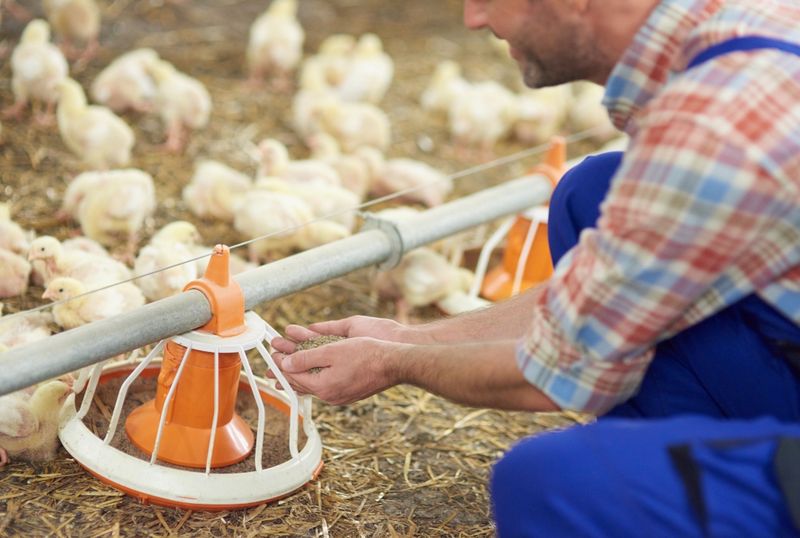
As laying season approaches, shift birds onto a breeder ration (18 to 20% protein) rich in vitamin E, selenium and omega-3 fatty acids. These nutrients support both egg viability and sperm motility. Offer oyster shells for calcium, and grit for digestion.
In smaller species such as Coturnix quail, overfeeding males or crowding pens can reduce fertility — aim for a ratio of one male to four to five females, and rotate cocks every few months for even coverage. Quail need a higher protein (26 to 30%) than chickens and ducks. Make sure that food bins are labeled so the birds get their appropriate nutrition and ration.
Dairy Goats
Late gestation or pre-breeding does benefit from energy-rich feed without excess protein. Supplement with copper, selenium and vitamin E, which are critical for reproductive health and strong kids.
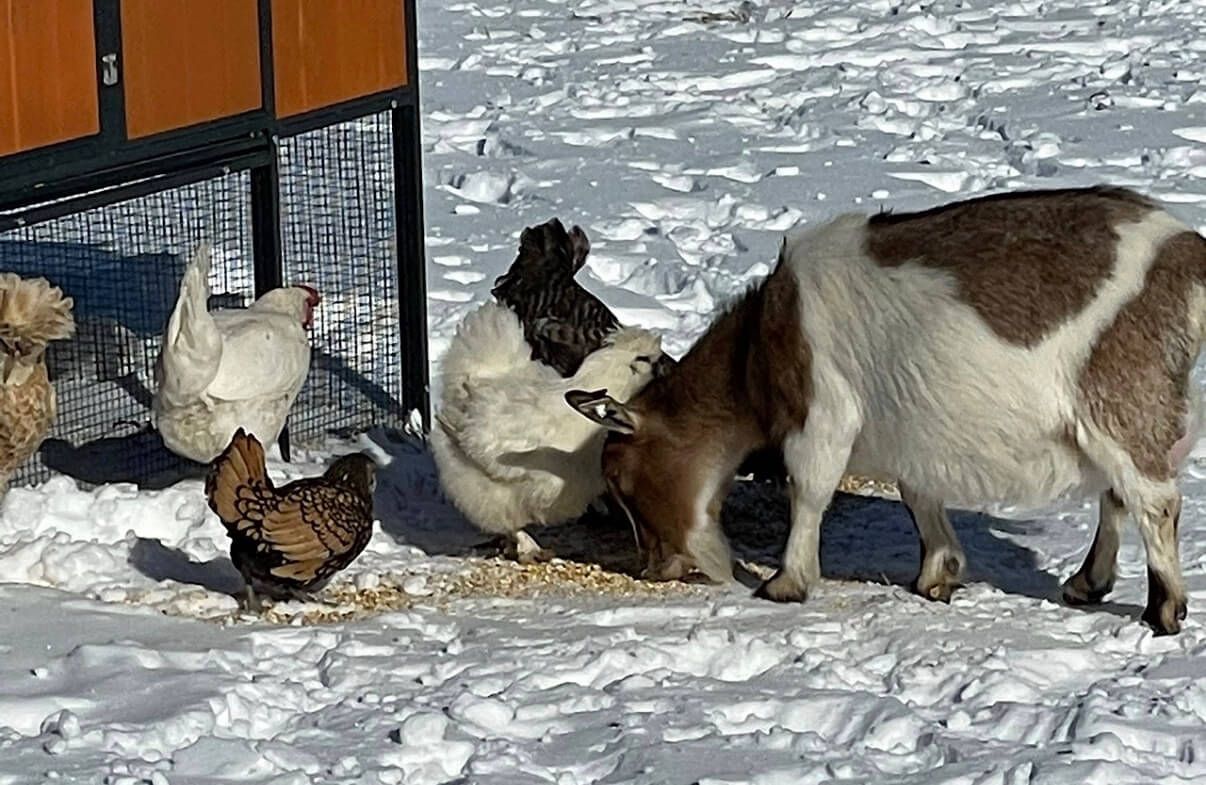
Diversified operations often leverage pasture management: goats grazing in rotation after poultry flocks helps break parasite cycles and naturally fertilize fields, creating a symbiotic balance between species.
Heritage Pigs
For pigs, balance is key. Too much body fat leads to poor conception rates; too little, and lactation suffers. Feed a 16% protein ration with balanced lysine and moderate fat. Adding fresh greens or fermented feed from poultry operations can improve gut health and nutrient absorption.
Spring’s mild temperatures make this the perfect time to breed or rebreed sows before the summer heat sets in.
Health Checks: Prevention Before Conception
Each species has unique health benchmarks, but the principle is universal: no breeding until animals are sound, healthy and stress-free.
Diversified farms benefit from shared observation time — walking pens and pastures daily lets you assess all species at once.
Poultry/Quail: Check for mites, lice and respiratory issues. Parasites can tank fertility fast. Trim nails and inspect vents for cleanliness.
Goats: Check FAMACHA scores, trim hooves and conduct pre-breeding fecal tests. Update CDT vaccines and ensure minerals are accessible.
Pigs: Deworm two to three weeks before breeding and check for mange or hoof lesions. Monitor boar mobility and libido.
Treating issues early prevents costly complications later — and maintaining species-specific logs in one system makes cross-species management far easier on mixed farms.
Environmental Setup: Clean, Safe and Productive
A diversified operation relies on shared spaces — brooders near milk stands, pastures rotated between pigs and goats and coops adjacent to compost areas. Cleanliness and biosecurity become even more critical when species coexist.
Poultry & Quail: Disinfect nest boxes, incubators and feeders before setting eggs. Test incubators for consistent temperature (99.5 degrees Farenheit for forced air) and humidity (45 to 55% during set, 65 to 70% at lockdown).
Goats: Prepare kidding pens with clean bedding, fresh water and emergency supplies: towels, iodine and colostrum replacer for emergencies.
Pigs: Clean farrowing stalls thoroughly and provide dry, draft-free bedding. Check that water lines and feeders are functional.
Managing multiple species also means managing different biosecurity layers — boots for each area, disinfectant foot baths and controlled visitor access. One careless step can spread disease across species lines.
Recordkeeping: The Glue of a Diversified Farm
In multi-species systems, data is the backbone. Breeding dates, weights, fertility rates, hatch outcomes and milk yield all connect to your seasonal performance. Digital spreadsheets or farm management apps make it easier to visualize crossover impacts.
Label breeding pens clearly, tag newborns and keep incubation logs. Record keeping isn’t busywork — it’s your breeding blueprint for the following year.
The Rhythm of Birth and Hatch
When your systems are aligned, spring unfolds like clockwork.
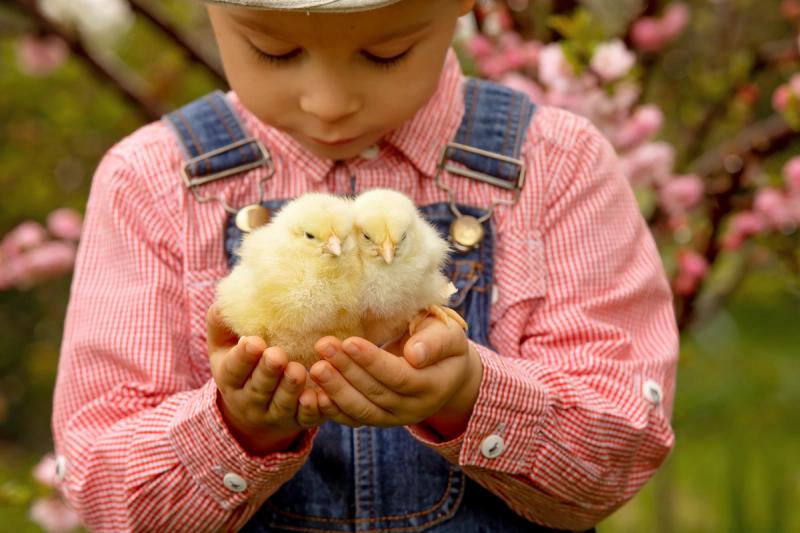
Chicks begin hatching just as the first goat kids arrive, creating natural warmth and shared focus.
Piglets follow soon after, providing compost material for gardens or fertilizer for pastures.
Quail hatch in waves, their short generational span giving quick feedback on fertility and growth metrics.
This staggered cycle of birth and growth prevents burnout and ensures labor, housing and resources are balanced throughout the season. It’s a sustainable model that reflects the diversity of the modern small farm — resilient, efficient and self-supporting.
Sustainability and Regeneration in Practice
A diversified farm thrives on interconnection. What benefits one species often strengthens the whole. Goats clean pastures and reduce weeds that could harm pigs. Poultry follow behind to break down manure, spread nutrients and control insects. Composting bedding and waste feeds the soil, completing the regenerative loop.
Spring breeding isn’t just the start of production — it’s the start of regeneration. Each birth or hatch represents another step toward self-sufficiency, genetic preservation and ecological balance.
By managing each species as part of a unified system, small farms can maintain productivity while protecting animal welfare, biodiversity and long-term soil health.
Conclusion: One Farm, Many Futures
Spring breeding on a diversified farm is a celebration of life — and a reminder that no species stands alone. Whether it’s the steady hum of an incubator, the first squeals of piglets or the soft bleats of new kids, every sound speaks to preparation, patience and purpose.
Success in spring isn’t accidental; it’s built on foresight, nutrition, recordkeeping and respect for the natural cycles that connect all living things on the farm.
When you prepare each flock and herd with care, the reward is more than healthy offspring — it’s the continuation of a thriving, resilient ecosystem that sustains both animals and people alike.
Tags:Chicken Scratch











Chicken Whisperer is part of the Catalyst Communications Network publication family.