Born to Brood
When Instinct Rules the Nest

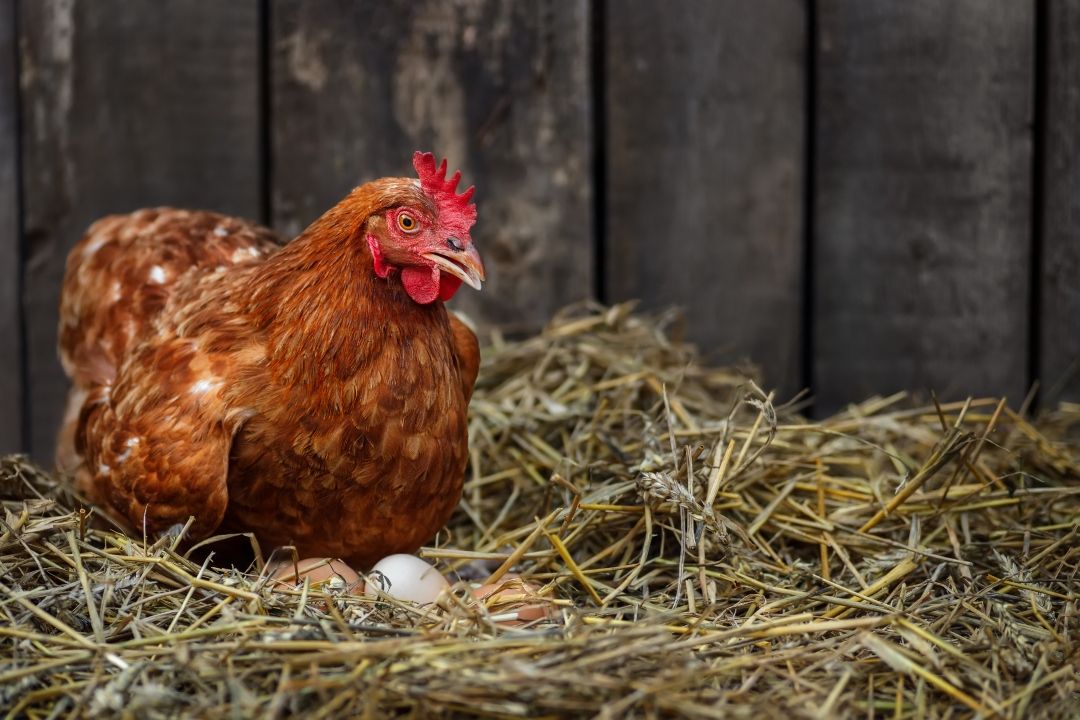
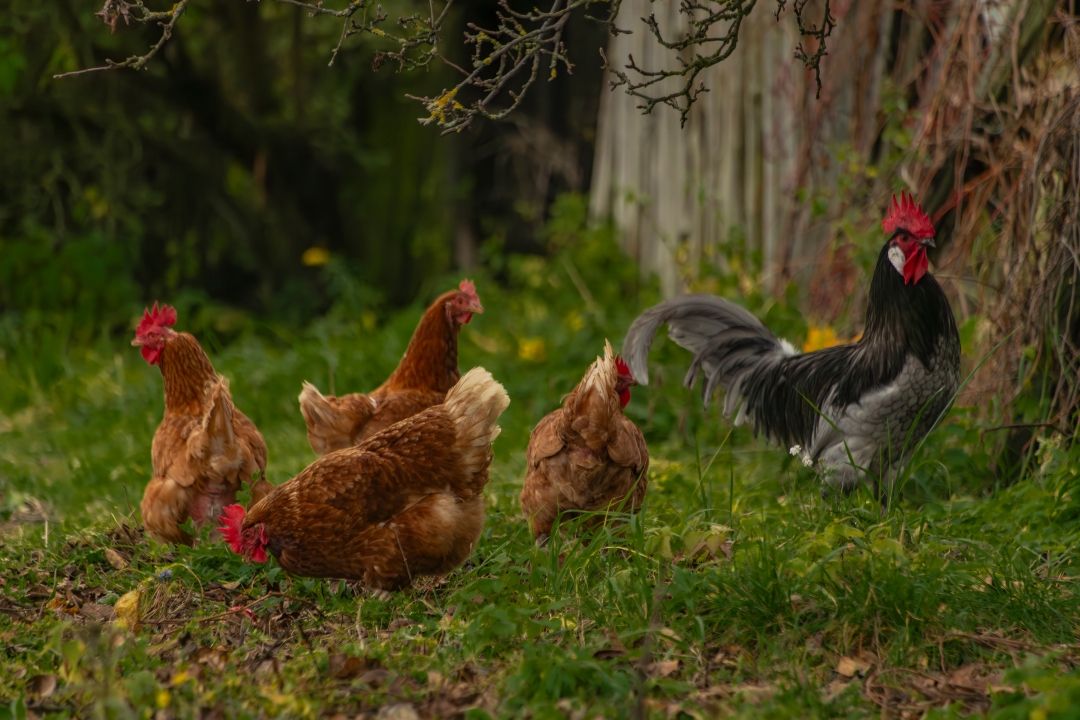
Natural incubation keeps a backyard flock going. The hen gets broody, the rooster does his job, she lays her eggs and sets on them and 21 days later, she emerges with chirping chicks.
A hen is broody when she insists on setting on the nest. She won’t get up, even if you lift her out. She fluffs her feathers out and yodels; she may peck at you. One observer described broodiness as “a state of continual bliss.” She doesn’t want to be disturbed.
That’s because she’s ready to set until she has chicks to lead out of the nest. The demands of monitoring an incubator may give you new respect for broody hens. Temperature and humidity need to be kept constant, and eggs need to be turned a couple of times a day. A hen knows how to do this without being taught.
When Instinct Takes Over
Hens may signal their intention to become broody by setting on the nest and refusing to move. You can stimulate them to become broody, for your convenience and timing to the eggs you are collecting, by starting them on a nest of artificial nest eggs made of wood, plastic or glass. When she stays on the nest for at least 24 hours, she’s ready to get serious about it.
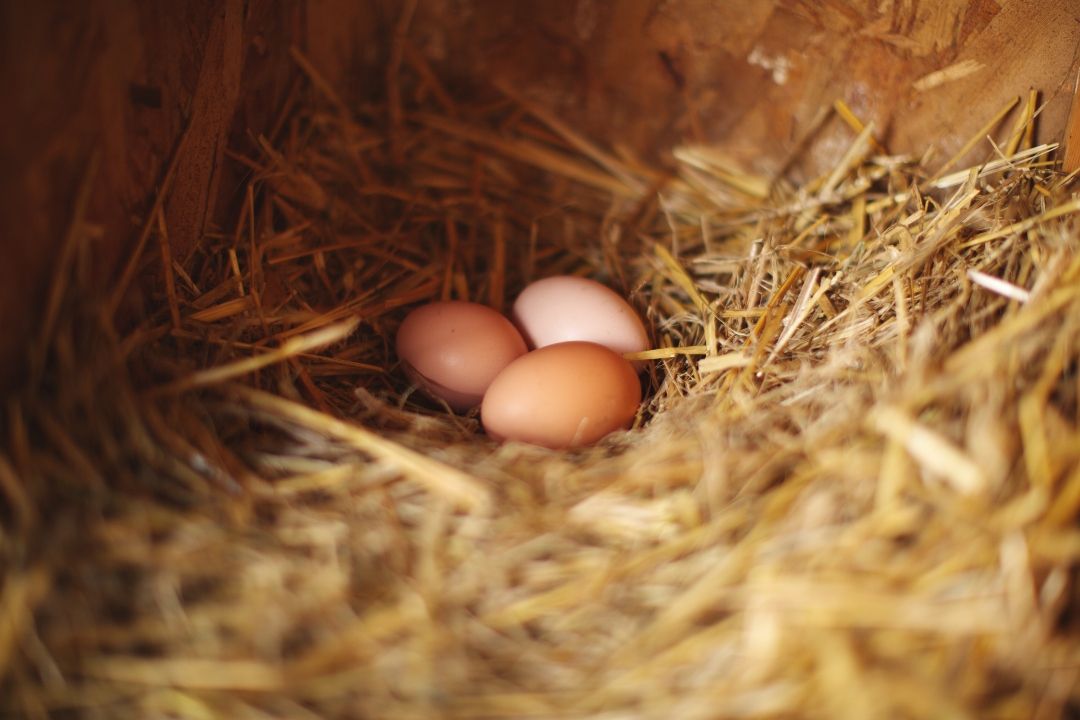
A clutch is the group of eggs hens want to collect before beginning to set. One of the marvelous things about hatching eggs is that although an individual hen will lay one egg a day, she will keep on laying until she gets a clutch before beginning to incubate them. Then they all hatch together. It felt miraculous to me until I understood how they arranged it.
Some hens move on and off the nest for a few days before getting serious. Give her time to get used to the idea. When a hen goes broody, she may even peck at other hens who try to enter the nest to lay their eggs.
Breed Matters
Not all breeds are created equal when it comes to broodiness. Because hens stop laying eggs when they are brooding, breeders have selected hens that don’t get broody. Broodiness is a behavioral trait that doesn’t appear in the show ring, so unless breeders want it, they may select against it.
It’s a traditional trait that allows flocks to replenish themselves, so heritage breeds should be good broody hens. Heritage breeds that brood well include Dorkings, Games, Javas, Plymouth Rocks, Wyandottes, Brahmas, Fayoumis and Orpingtons. All these come in many colors, including natural ones that blend in.
Many bantams are good broody hens, especially Silkies, Nankins, Dutch and Junglefowl.
Oriental breed hens are usually good brooders and mothers, including Phoenix, Yokohama and Cubalaya breeds. Game breeds have hard feathers, with narrow, short shafts and closely-knitted barbs making the feather stiff and shiny rather than fluffy. They cannot cover as many eggs as a fluffy breed such as the Dorking or the Brahma.
Welsummers also have naturally camouflaged coloration. They produce a dark egg that many people find attractive. They are not known as good mothers, but that can vary by individuals. Brown, silver and gold Leghorns are also breeds with natural camouflage. All are good foragers.
Dominiques are also good foragers, but their black and white feathering makes them not as well camouflaged.
Goose breeds include Cottonpatch, Pilgrims, Shetlands and Chinas, which are good foragers, and some are good parents.
Revised Standard and 2025 Yearbook Now Available
All breeders and poultry clubs need the revised 45th Edition of the “American Standard of Perfection.” This hardcover edition of this essential handbook is beautifully bound. The Standard is also available with a spiral binding, which allows the book to lie flat, making it easy to reference while studying, breeding or preparing for shows.
The “American Standard of Perfection” is the official breed standard of the poultry fancy in North America. First published in 1874 by the American Poultry Association (APA), the “Standard of Perfection” (often called “the Standard”) defines and classifies the ideal physical appearance, coloring and temperament of all recognized breeds of poultry — including chickens, ducks, turkeys and geese.
Get it at www.amerpoultryassn.com/shop/.
The “2025 Yearbook” has been mailed to members. It lists all APA officers and other leaders, members, master exhibitors, exhibitors and judges. It describes the exhibition point system and all the basics of showing poultry. It is available only to members. Join the APA at www.amerpoultryassn.com/join-the-apa/.
In addition to being invaluable as a reference, it includes many articles on a wide variety of subjects of interest, from getting started in poultry exhibition to stories of specific breeds.
Ayam Cemani, which is pursuing APA recognition, friendly Watermaals, Steinbacher geese, Orpingtons, Ameraucanas, Araucanas and the fine points of Rosecombs all get expert attention.
Thanks to all the APA members who have contributed to these significant references.
About the Author
Christine Heinrichs writes from her home on California’s Central Coast. She keeps a backyard flock of about a dozen hens, large fowl and bantams of various breeds.
Her books, “How to Raise Chickens,” “How to Raise Poultry,” “The Backyard Field Guide to Chickens” and “The History of the American Poultry Association” are available in bookstores and online.
She has a B.S. in Journalism from the University of Oregon and belongs to several professional journalism and poultry organizations. Her work has been recognized with many awards across her 40-year career.
Tags:Chicken Scratch











Chicken Whisperer is part of the Catalyst Communications Network publication family.