After the Chickens Have Had Their Fun
How to Help Your Yard Recover After a Summer of Free-Range Chickens

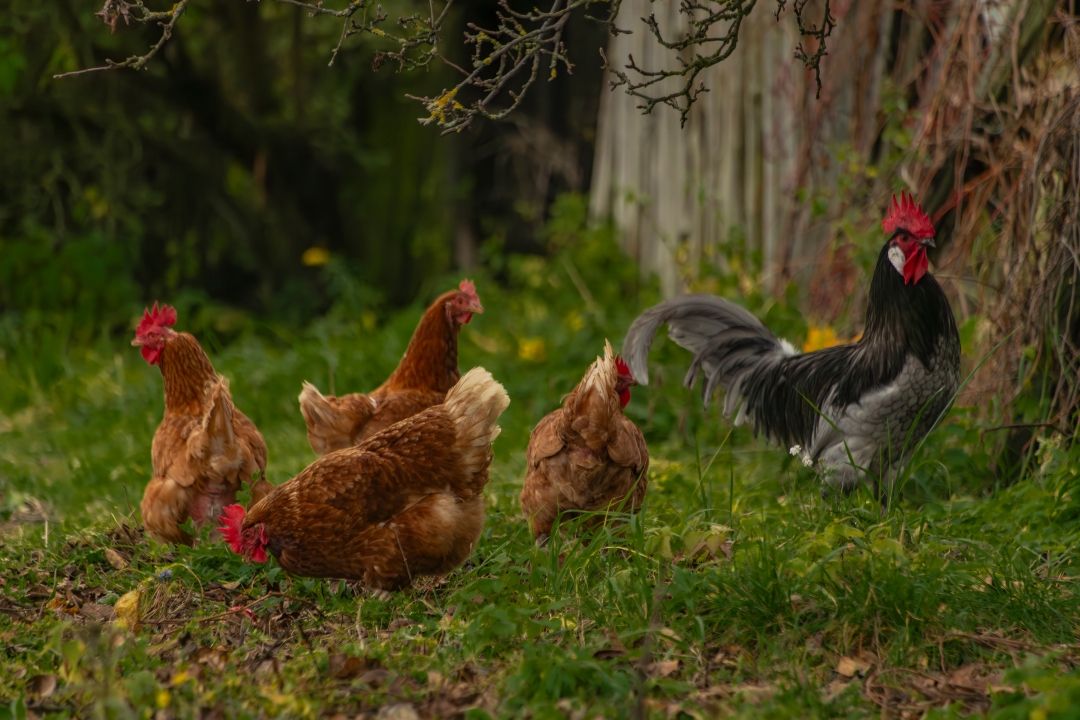
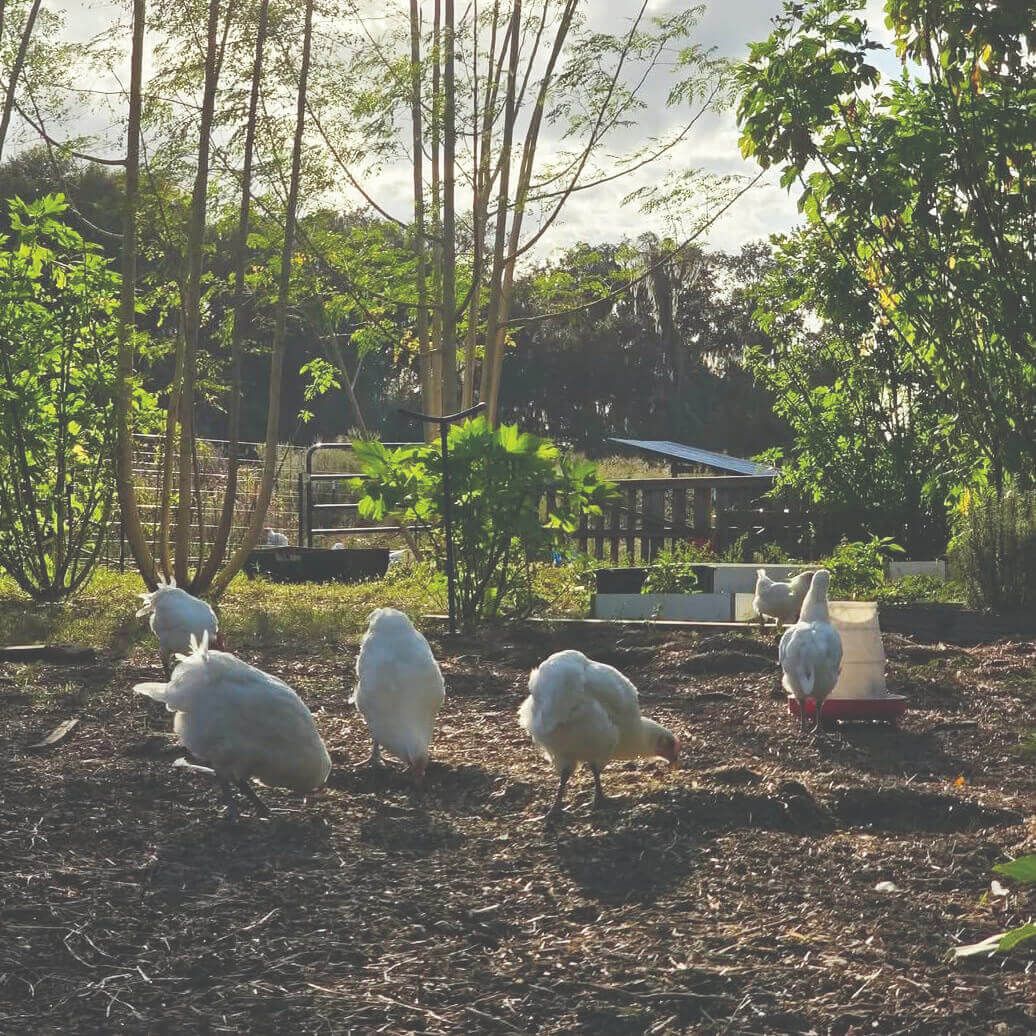
Letting your chickens roam the backyard gives them plenty of room to scratch, forage, and live their best chicken lives. They help control insects, snack on fresh greens, and get some exercise while they’re at it. Unfortunately, their summer adventures can leave your lawn looking like it hosted a tiny, feathered music festival.
The good news is that autumn is an ideal time to help your yard recover. Cooler temperatures and seasonal rain give new grass a better chance to grow, while a little fall cleanup can prepare your outdoor space for winter. Whether you already have chickens or are considering starting a backyard flock, these practical tips can help you keep your lawn healthier and slightly less cratered.
Take a Walk Around the Yard
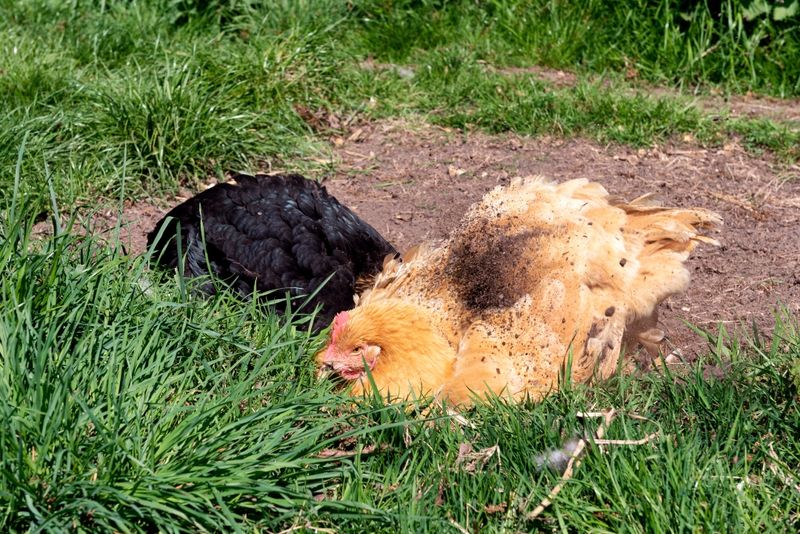
Before grabbing every lawn tool in the shed, take a walk around the yard and assess the damage. Look for bare patches near the coop, worn paths around gates and feeders, and those impressive holes your chickens have created for dust bathing.
Watch for standing water, exposed roots, and areas where manure, feathers, or bedding have piled up. Note which parts of the yard receive plenty of sunlight and which stay shaded; this can help you choose the right grass seed and where to improve drainage.
Dividing it into smaller sections may help. Temporary garden fencing, poultry netting, or a simple DIY barrier made with wooden stakes and welded wire can keep your flock out of one area while it recovers. Your chickens may file a complaint, but the grass will appreciate it.
Clean Up Manure & Old Bedding
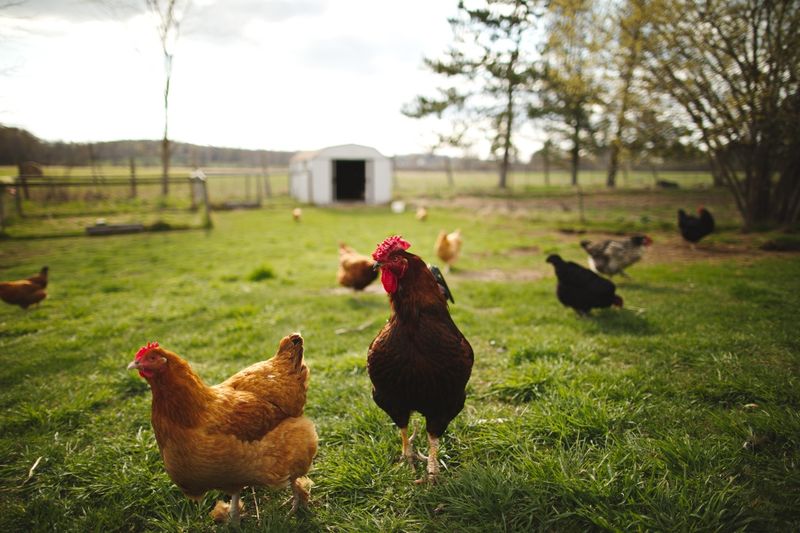
Chicken manure can be excellent for the soil, but your lawn can definitely have too much of a good thing. Large concentrations may burn the grass, create odors, and attract unwanted pests. Rake up manure, wet bedding, feathers, and spilled feed, especially around the coop and run.
Avoid spreading fresh chicken manure directly over your lawn or garden as it may damage plants or introduce harmful bacteria. Instead, add it to a compost pile with carbon-rich materials such as dry leaves (a great use for all those fallen leaves littering your yard in the fall), straw, wood shavings, or shredded cardboard.
For an easy DIY compost bin, fasten wooden pallets together to form three sides, then add removable boards or another pallet across the front. Turn the pile occasionally, and once fully composted, all that coop waste becomes a valuable soil amendment. Yesterday’s mess is tomorrow’s garden fertilizer.
Loosen Hard, Compacted Soil
Chickens tend to follow the same routes around the yard, especially if those routes lead to food. Over time, all that traffic can pack down the soil. Compacted ground makes it harder for water, air, and grass roots to get where they need to go.
For small areas, use a garden fork or hand cultivator to loosen the top few inches of soil. If a larger section is affected, consider using or renting a manual or powered core aerator. Avoid working on extremely wet soil, since that can make compaction worse and turn the project into a mud-wrestling event.
After loosening the soil, spread a thin layer of screened compost or good-quality topsoil over the worn areas. Rake it evenly to fill shallow holes and create a smooth surface for grass seed. For those ambitious dust-bathing craters, add soil gradually and gently press down each layer before finishing with loose soil.
Reseed Bare & Thin Spots
Early autumn is a great time to plant cool-season grass because warm soil, cooler air, and regular rain support healthy growth.
Choose a durable seed suited to your region and the yard’s sunlight. Loosen the soil, spread the seed evenly, rake it in, and add a thin layer of clean straw to retain moisture and discourage hungry chickens.
Water regularly to keep the soil moist and block off the area until the grass develops strong roots. New growth may appear within a few days or weeks, depending on the grass and weather.
Fix Drainage Problems Before Winter
Autumn rain can turn a busy chicken yard into a mud pit. Make sure water flows away from the coop by filling low spots, clearing drainage channels, and redirecting nearby downspouts.
For a DIY walkway, dig a shallow path, add landscape fabric, and top it with compacted gravel or wood chips. Choose smooth materials that are safe for chickens’ feet.
In uncovered runs, spread coarse wood chips to control mud and replace them when soaked or heavily soiled. Avoid cedar shavings, which may irritate chickens’ respiratory systems.
Make Next Summer Easier on Your Yard
A little planning now can prevent major lawn repairs later. Rotate chickens between fenced areas, move feeders and waterers regularly, and use portable fencing or a DIY chicken tractor to give worn spots time to recover. A designated dust bath filled with dry soil and sand may also keep your yard from becoming a collection of tiny hot tubs.
Protect plants and exposed roots with low fencing, wire cages, or heavy stones. Even consider a residential lawn care service to help you out a bit. By reseeding bare spots, improving drainage, and creating chicken-friendly zones this fall, you can enjoy stronger grass, less mud, and a more manageable yard next spring.
About the Author:
Joseph Ritz serves as general manager of Lawn Specialties, a family-owned and -operated business. He has a decade of experience and holds several industry certifications and licenses. Ritz is committed to staying current with modern practices and continually seeks innovative solutions to tree and lawn care. With Ritz’s leadership and vision, Lawn Specialties is known for exceptional quality and customer satisfaction in landscaping throughout Eastern Pennsylvania and Bergen County, New Jersey.
Tags:Hot Topics












Chicken Whisperer is part of the Catalyst Communications Network publication family.