Raising Pastured Poultry for Beginners
Building a Simple, Workable System for Raising Birds Outdoors

From chickens to turkeys and beyond, raising poultry on pasture can be a rewarding way to connect animals, land and homestead life. For beginners, success starts with simple systems, realistic expectations and learning to work with the birds and the seasons.
There is something special about seeing poultry out on pasture. A flock of chickens scratching through the grass, turkeys strutting in the sunshine or ducks dabbling their way across a patch of green just feels right. For many homesteaders, raising birds on pasture is part of the dream: healthier animals, a closer connection to the land and a more hands-on way of producing food.
But like most things in homestead life, the picture-perfect version only tells part of the story.
Raising pastured poultry is rewarding, practical and often a lot of fun, but it also comes with daily responsibilities, a learning curve and the occasional surprise.
The good news is that beginners do not need a large farm or a complicated setup to get started. With the right expectations and a manageable plan, pastured poultry can be one of the most enjoyable ways to begin raising livestock.
Choosing the Right Birds
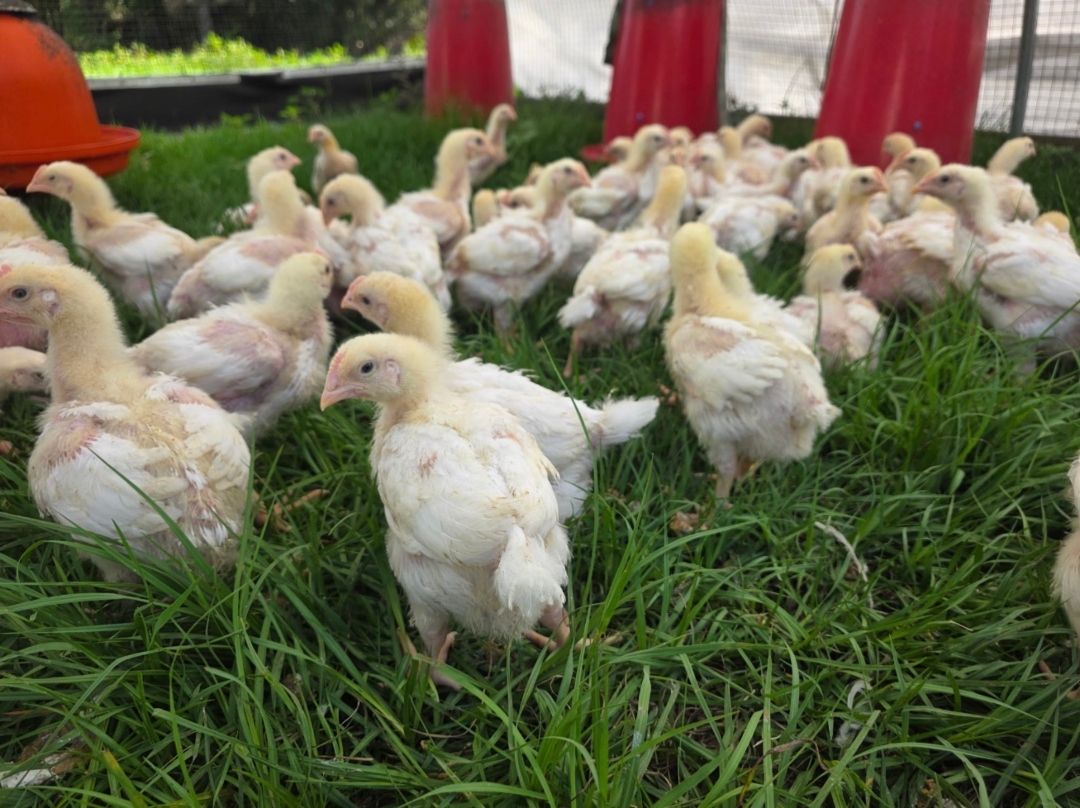
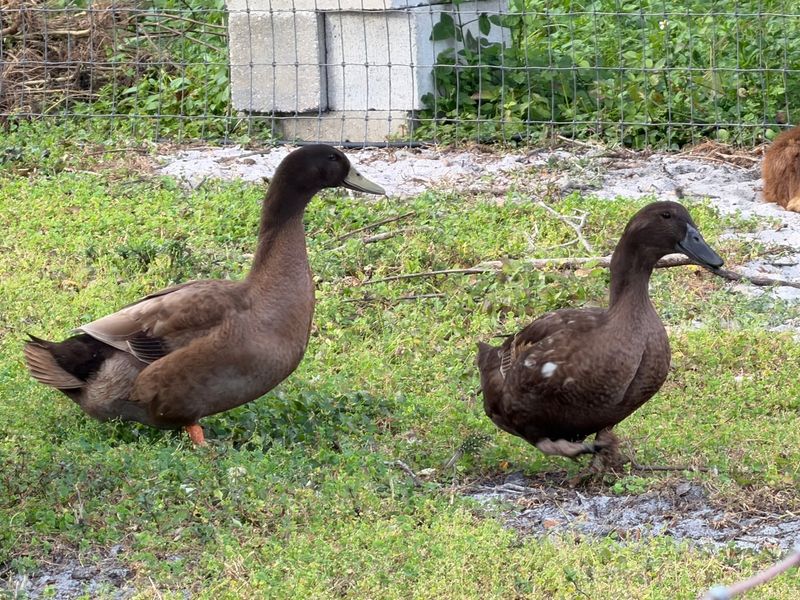
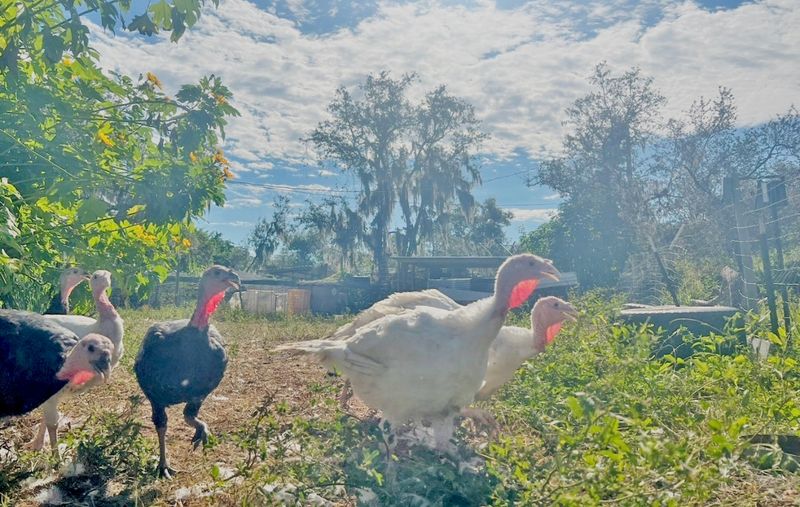
The first step is deciding what kind of birds you want to raise. When people hear “pastured poultry,” they often think of meat chickens, but pasture systems can also work for laying hens, ducks, turkeys, geese and even quail in certain setups. For beginners, chickens are usually the easiest starting point. They are widely available, fairly adaptable and there is no shortage of advice for raising them.
If you are hoping for eggs, look for hardy laying breeds that do well in your climate. If you are raising birds for meat, choose breeds that fit your goals and be honest about how much time and management you can provide. The best choice is not always the most popular breed. It is the one that works best for your land, your routine and your goals.
When raising meat birds, it helps to think ahead about timing and breed choice. Some meat chickens grow very quickly and need close management to stay comfortable and healthy. Others grow more slowly and may be more active on pasture. There is no one-size-fits-all answer. The best choice depends on your climate, feed budget, processing plans and your own preferences.
For laying hens, pasture can offer a wonderful quality of life, but it does not replace the basics. Layers still need secure night housing, nest boxes and protection from weather and predators. They also need a routine.
Pasture is a Supplement, Not a Complete Feed
One of the biggest misconceptions about pastured poultry is the idea that birds can live entirely off the land. Pasture is valuable, but it is not a complete feed source. Poultry still need a balanced ration to grow well, stay healthy and produce consistently.
On pasture, birds enjoy nibbling on tender greens, hunting bugs and staying busy, which adds enrichment and can support overall health. But pasture is best thought of as a supplement rather than the whole diet. Fresh grass is a nice side dish, not the main course.
This is one of the first lessons many new poultry keepers learn. The birds may happily forage all day, but they still need dependable nutrition and constant access to fresh water. Skimping on feed is not where the savings are. Healthy birds begin with consistent basics.
A Good Setup Makes All the Difference
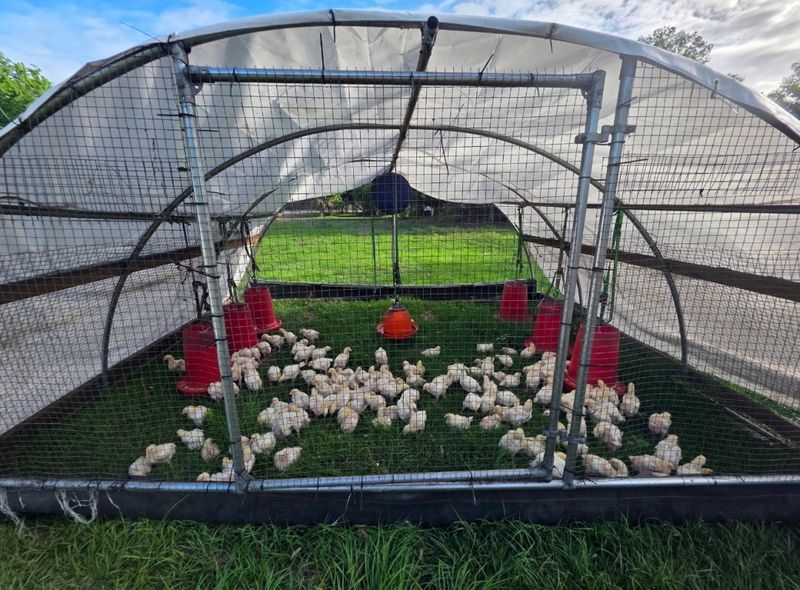
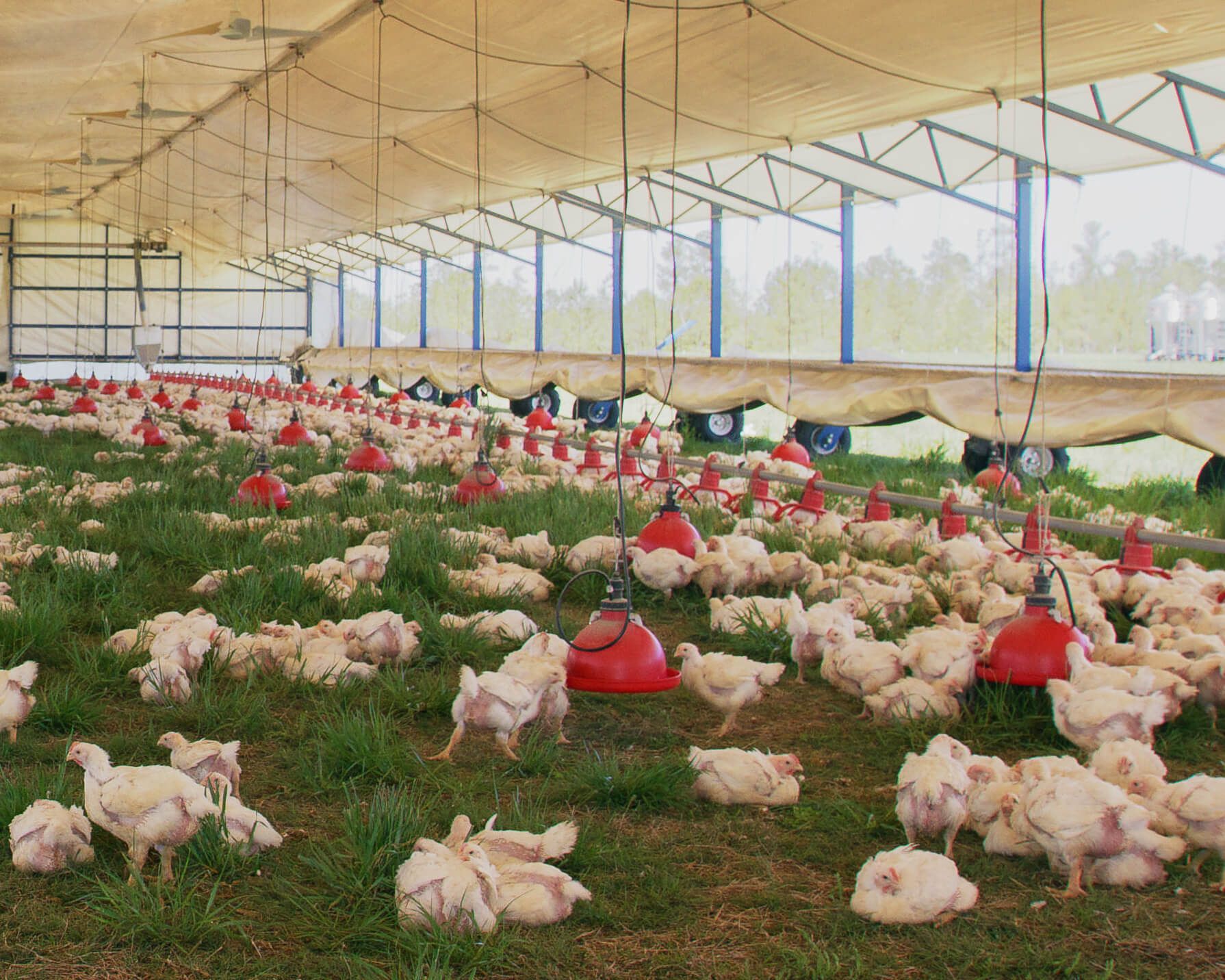
Housing matters more than many beginners realize. Birds raised on pasture still need protection from predators, rain, wind and the summer sun. Some people use small mobile pens, often called chicken tractors, which are moved to fresh ground each day. Others prefer portable netting with a lightweight shelter inside. Either system can work.
The important part is that the birds have access to clean feed, fresh water, shade and shelter, and that they are rotated often enough to keep the ground from turning into a muddy, worn-out patch. Fancy equipment is not required, but a practical, dependable setup is.
Predator protection should never be an afterthought. If you raise poultry long enough, something will eventually test your fencing, your coop or your routine. Planning is much easier than trying to fix a problem after you have lost birds.
Start Smaller Than You Think
If you are brand new, start smaller than you think you should. It is easy to get excited and order a big group of chicks, but even a modest flock can teach you a lot in a hurry. Starting with a manageable number gives you a chance to learn your routine, test your fencing, see how your land handles traffic and figure out how much daily work is truly involved.
It is much easier to grow after a successful first season than to recover from taking on too much all at once.
A smaller start also lets you make mistakes on a scale that feels manageable. Every homestead has its own quirks, and every flock keeper develops their own rhythm. There is no shame in learning as you go.
Water, Shade & Shelter Matter
Water is one of the most important parts of a pasture setup, especially in warm weather. Birds need constant access to clean, cool water, and on hot days, you may need to check it several times. A waterer that looks full in the morning can be empty by afternoon.
Shade is just as important. Open pasture may look beautiful, but full sun all day can be hard on poultry. Simple shelters, tarps or natural shade from trees can make a world of difference when temperatures climb. Birds that are too hot will slow down, become stressed and may struggle quickly if the heat is intense enough.
A beginner can avoid many problems simply by focusing on comfort. Dry footing, airflow, clean water and protection from harsh weather go a long way toward keeping birds thriving.
Rotation Keeps Birds & Land Healthier
Pastured poultry works best when the birds are moved regularly to fresh ground. Rotating them helps protect the land, reduce parasite pressure and spread manure more evenly. This is one of the nicest parts of integrating poultry into a homestead system. Managed well, they contribute more than eggs or meat. They fertilize, scratch and help cycle nutrients back into the soil.
Instead of becoming a burden on the land, poultry can become part of what keeps it productive. That is one of the reasons so many homesteaders are drawn to pasture-based systems. The birds are not separate from the land. They become part of the larger rhythm of it.
Of course, rotation does not have to be complicated. Even simple, regular movement can make a noticeable difference in bird health and pasture condition.
Pasture Is Rewarding, Not Effortless
Pasture is not a cure-all. Wet weather can turn even the best setup into a muddy headache. Heat can stress birds quickly. Predators often seem to notice a flock the moment you relax. Grass can be trampled down faster than expected if birds are not moved often enough.
This is where the real-life part of homesteading comes in. Success is not about having a perfect system from day one. It is about paying attention, adjusting when needed and learning what works on your property.
It is easy to imagine a cheerful flock wandering through green grass, but someone still has to carry feed, scrub waterers, gather eggs and fix the fence when something finds the weak spot. That is part of the charm and part of the reality.
Let the Birds Teach You
One of the best habits a beginner can develop is simply watching the birds. Poultry can tell you a lot when you slow down and pay attention. Birds that are panting and holding their wings away from their bodies are too hot. Birds huddled tightly may be cold or stressed. Birds that seem restless, noisy or crowded may need more space, better conditions or a change in routine.
Good poultry keeping is not about fancy equipment nearly as much as it is about observation and consistency. You can learn a great deal just by stepping back and noticing how the flock behaves throughout the day.
The birds will often tell you what is working long before a problem becomes serious. That kind of attention is one of the most useful tools a homesteader can have.
A Good Place to Begin
Raising pastured poultry is a wonderful way to step deeper into homestead life. It teaches patience, practical problem-solving and a respect for both the animals and the land. It is not always tidy, and it is rarely effortless, but it is deeply worthwhile.
Start with a simple system, expect to learn as you go and give yourself permission to improve over time. Before long, you will have your own rhythm to the chores, your own lessons learned and your own stories about the birds that made you laugh, tested your patience or surprised you in the best way.
And that may be the real beauty of pastured poultry: not just what it produces, but how it draws you more fully into the everyday life of the homestead
Tags:Hot Topics













Chicken Whisperer is part of the Catalyst Communications Network publication family.