How Chickens Are Becoming the Gateway to Modern Homesteading
5 Flock Benefits Beyond Fresh Eggs

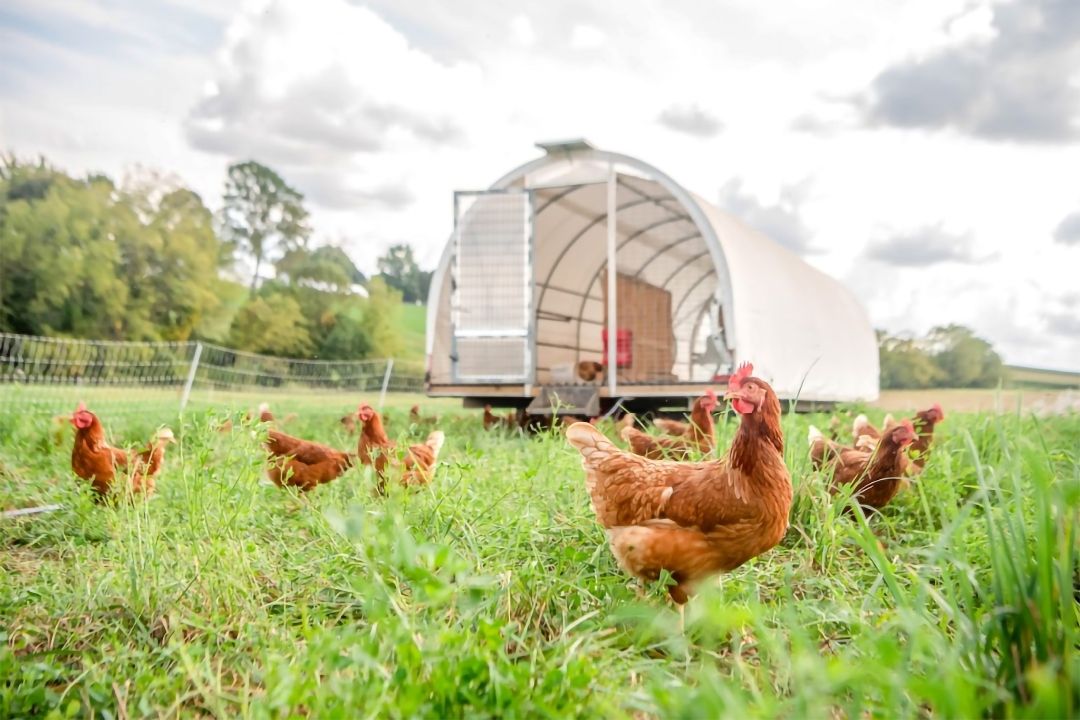
If you spend any time talking with folks who are getting into homesteading, one thing comes up over and over again: chickens. Most folks don’t start with cattle, pigs or even a big vegetable garden. Instead, they start with one or two, or even a small flock of laying hens.
Chickens are affordable and useful from the very first day they begin laying eggs. They also give families a chance to learn the daily rhythm of caring for livestock without committing to the large expenses that come with larger animals. For many families, a backyard chicken coop becomes the first real step towards a more self-reliant lifestyle.
Because chickens are often seen as a ‘starter livestock,’ they’re increasingly becoming a gateway into modern homesteading. Here are five reasons why!
A Manageable Place to Start
Homesteading can definitely seem overwhelming for beginners. There’s a lot to keep track of. Between gardening, preserving food and raising livestock, there’s a lot to learn, and it can feel impossible to know where to begin.
A flock of six to 10 chickens is a great place to start. The investment is comparatively small, and the daily chores are relatively simple. Most of the daily work includes checking on feed and water, gathering eggs, cleaning nesting boxes when needed and checking birds for signs of sickness.
These tasks also teach valuable lessons, especially to smaller children, about care and responsibility that carry over to other parts of the homestead or to larger animals later on.
The most important thing to know for any beginner is that consistency is what matters most. Animals depend on you every day, no matter the weather or whatever else may be on your schedule. It’s important to do your chores at the same time every day. Getting into that routine will help you prepare your home for larger livestock and more complex chores later on.
More Than Just Fresh Eggs
Most people start small flocks because they want fresh eggs, and it’s hard to argue with that motivation. A healthy flock can provide a steady supply of eggs enough for a family, and usually with enough to share with neighbors or to sell locally.
But chickens can contribute more than just breakfast!
Their manure, when properly composted, can be used as fertilizer for gardens and fruit trees. Chicken manure is one of the best ways to get high nitrogen levels in your garden. This makes it quite useful for flowerbeds, raised beds and gardens. It should be composted for at least six months; otherwise, it can be so strong that it could possibly kill the plants. Fresh chicken manure is considered "hot," which means it's very strong.
Chickens can also help reduce food waste by eating kitchen scraps. If your home has a compost pile, chickens can scratch through that too to get rid of insects and rotate your compost for you.
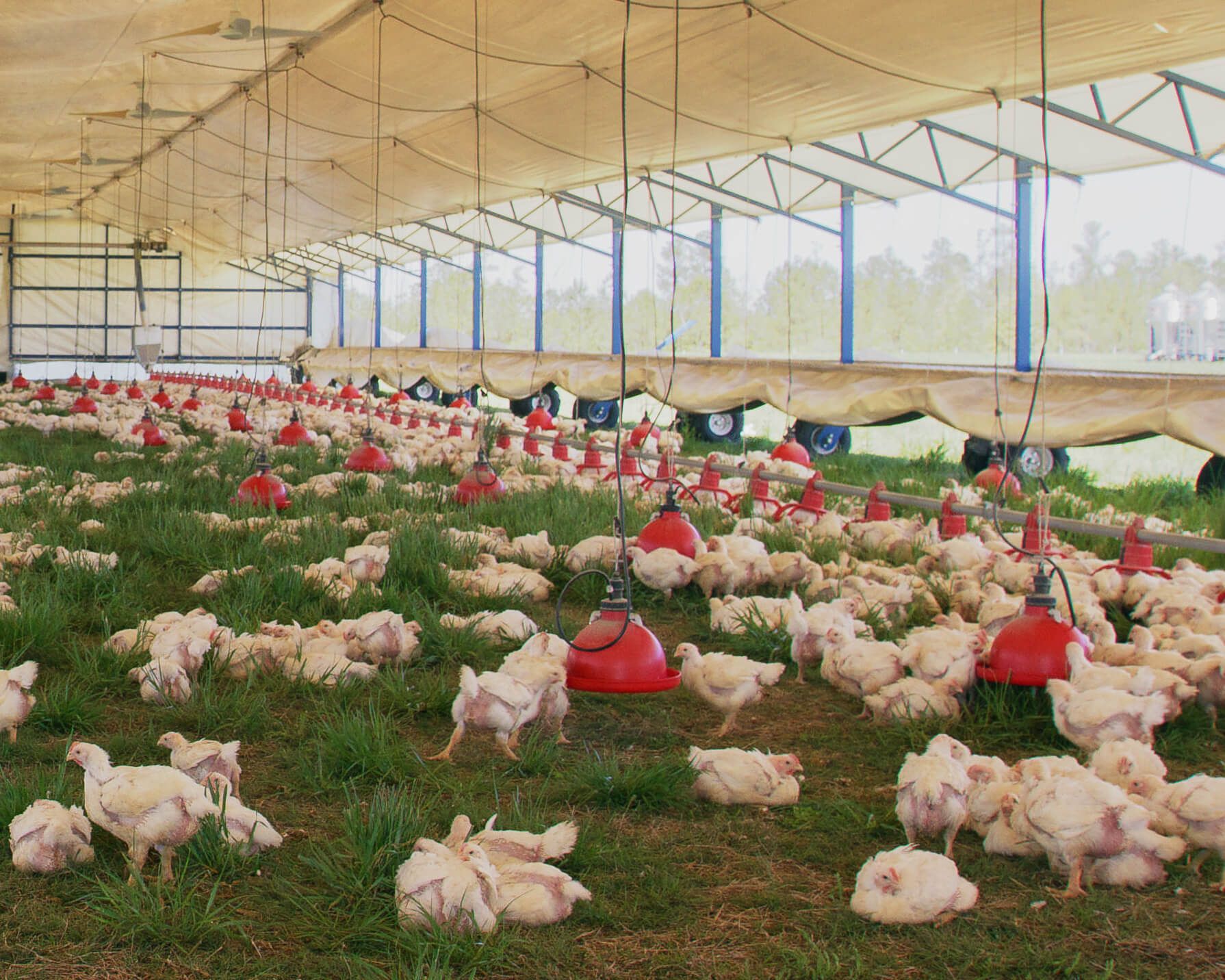
Some gardeners use portable chicken tractors or rotational grazing systems to let their birds work the soil between growing seasons. This way, chickens remove weed seeds, eat bugs and leave behind nutrients that benefit future crops.
Learning Livestock Skills
Raising chickens is a great way to start livestock management on a smaller scale.
Chicken owners quickly learn about predator control, biosecurity, nutrition, housing, ventilation and flock health. With chickens to care for, chicken owners become aware of the natural predators in their area, such as foxes, hawks and minks, and how to look out for them. Chicken owners also get a crash course in biosecurity, keeping track of harmful germs and viruses and how they can be transferred between different types of poultry. As seasons progress, chicken owners will naturally realize that good nutrition and proper food rations help chickens grow well and lay eggs, and adjust diets and feed times accordingly. Owners will notice that birds will get sick if their housing isn’t regularly cleaned and if they aren’t allowed outside frequently. Birds that are kept together in crowded spaces can start attacking each other to establish their “pecking order.”
Overall, people who start with raising chickens will become familiar with recognizing normal bird behavior and spotting problems before they become serious. These daily chores become habits that make homesteaders feel confident expanding their livestock and homestead further.
Someone who has successfully managed chickens for several years is far more prepared to raise sheep, goats, pigs or cattle than someone with no livestock experience at all.
Of course, with chickens, mistakes can still happen, but they tend to be smaller and a lot easier to recover from.
Building Food Security
A lot is uncertain in the world right now, and food prices frequently fluctuate in response to that uncertainty. Families are often looking for ways to be less dependent on the grocery store and less vulnerable to those fluctuations.
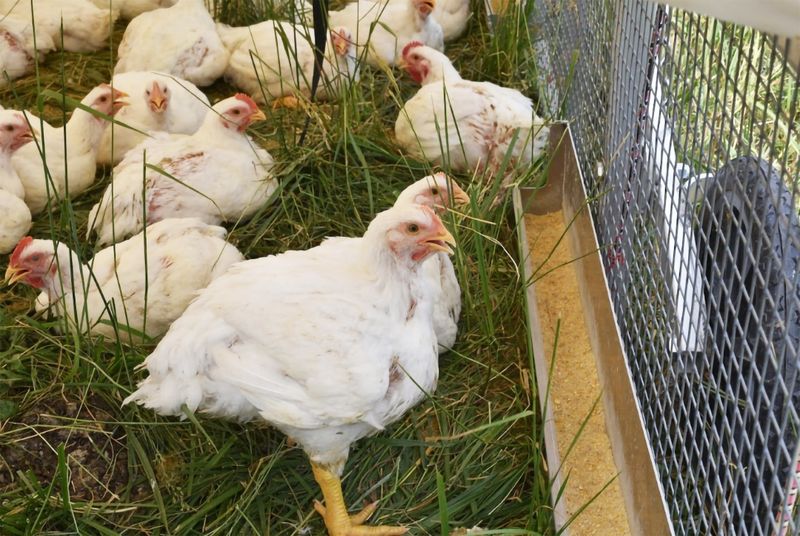
Chickens are one of the best ways to ease that reliance on the grocery store. While feed costs should be taken into account, a productive flock can provide a reliable source of protein throughout most of the year. Raising meat birds is an easy way to provide fresh meat for you and your family.
Homesteaders can choose dual-purpose breeds that provide both eggs and meat. With fresh eggs in your backyard and fresh meat waiting for the freezer, you can have more peace of mind knowing you are providing food for the table from your very own homestead.
That's an important step toward greater food security.
A Project the Whole Family Can Share
One reason chickens have become so popular, and truly the best reason to add them to your home, is that everyone in your household can take part in their raising.
Young children can enjoy gathering eggs and helping refill feeders. Teenagers can learn responsibility by taking ownership of care for the flock each day, while adults can handle larger projects like building and repairing coops and managing flock health.
These shared responsibilites are a great way to teach practical life skills to younger generations, skills that are becoming less common in today’s world.
Skills like patience, observation, problem-solving and responsibility can all be learned while caring for livestock.
The First Step Toward a Self-Reliant Life
For the modern homesteader, chickens are so much more than a fresh source of eggs. Starting a flock helps introduce the discipline of daily livestock care to families while also strengthening food security, improving garden productivity and giving families the satisfaction of producing something themselves.
This is why so many successful homesteads begin with a handful of hens scratching around a simple coop.
Even the most experienced farmer knows that a strong operation is built one step at a time. Chickens are one of the smartest first steps a new homestead can take. They teach responsibility and routine without being overwhelming, and they provide reliable meat and eggs throughout the year. Another bonus is that flocks and coops can usually fit into any size property!
The path to a productive, self-sufficient homestead doesn’t begin with expensive equipment or acres of land. Sometimes it starts with a few hens, a sturdy coop and the willingness to go out and care for them every single day.
About the Author:
Daniel Kauffman is the co-owner of Happy Farmer, a high-quality source for commercial mobile coops and coops for chickens, ducks and turkeys made in the U.S. Ever since childhood, Daniel has enjoyed raising animals. In his younger years, he started with chickens, then eventually added goats, miniature horses and cows. After increasing his flock size to 300 layers and more than 150 broilers, he now runs Happy Farmer, where he sells mobile coops that are designed to make raising animals easier and more efficient. Happy Farmer offers coops and structures that are built to last at happyfarmer.store.
Tags:Hot Topics












Chicken Whisperer is part of the Catalyst Communications Network publication family.