Heritage Breeds for the Holidays
Celebrating Birds That Built America’s Farms

A Feast with History
As the holidays approach, tables across America fill with abundance — golden roasted birds, rich gravy and memories shared between generations. But behind every feast lies a story of agriculture, adaptation and sometimes, loss. Many of the traditional breeds that once graced farmhouse tables have quietly faded from the mainstream, replaced by fast-growing hybrids designed for efficiency rather than endurance.
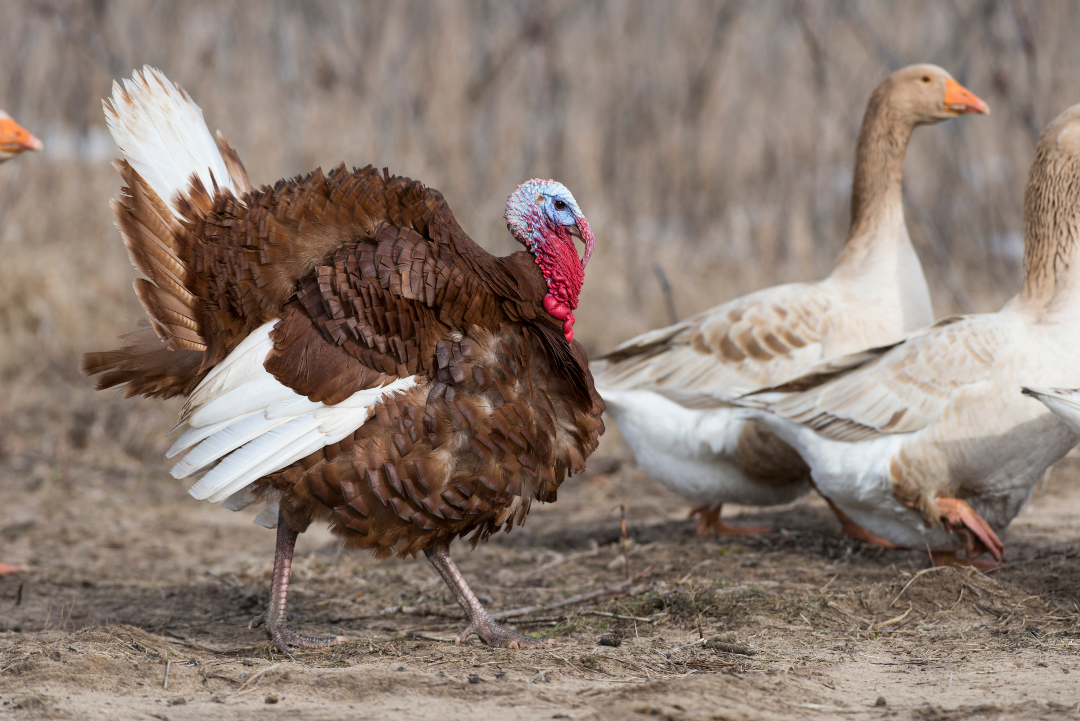
Heritage poultry breeds, however, are making a comeback — and not just for nostalgia’s sake. These birds embody the roots of sustainable farming. With slower growth rates, stronger frames and natural breeding instincts, heritage breeds connect us to an agricultural past built on balance rather than mass production. From Bourbon Red turkeys to Cotton Patch geese, these breeds bring both flavor and biodiversity back to the table.
The Science Behind Heritage Poultry
To be considered a heritage breed, a bird must meet specific criteria outlined by The Livestock Conservancy. These include natural mating, a long productive lifespan, slow growth and recognition by a standard-setting organization such as the American Poultry Association (APA). Scientifically, these birds maintain genetic diversity critical to the resilience of small farms.
Unlike industrial hybrids bred for rapid gain and confinement housing, heritage breeds possess denser bone structure, robust cardiovascular systems and greater reproductive soundness. Their slower metabolism allows more time for muscle development, yielding meat that’s darker, richer and more flavorful. Heritage birds are also more adaptable to variable climates and diverse diets, making them an asset for regenerative and pasture-based systems.
Genetic diversity functions as insurance for agriculture. Maintaining a wide range of poultry breeds — especially heritage lines — preserves traits diminished by intensive selection in many modern, high-output birds. These traits include disease resistance, fertility, broodiness, heat and cold tolerance, foraging efficiency and overall hardiness. As new pathogens emerge and climate extremes intensify, older gene pools provide breeders with the raw materials to restore resilience, adapt flocks to changing conditions and reduce the risks associated with a narrow genetic base. Ongoing conservation and responsible breeding safeguard these options for future challenges.
Bourbon Red Turkey: The American Original
Few birds are as distinctly American as the Bourbon Red turkey. Developed in Bourbon County, Kentucky, in the late 1800s, this breed was prized for its chestnut-red plumage, hardiness and outstanding table quality. Farmers appreciated its balance — a bird that thrived on foraging yet produced flavorful meat and eggs for the family.
The breed nearly vanished by the 1990s as broad-breasted commercial turkeys dominated production. Today, thanks to small farms and conservationists, the Bourbon Red is reclaiming its place at the holiday table.
Bourbon Red turkeys represent living agricultural heritage on diversified farms. Beyond the table, they help control orchard pests, enrich soil with manure and fit well within regenerative systems. Their meat offers a depth of flavor rarely matched by industrial hybrids, reflecting slower growth and active foraging. Raising and stewarding this breed sustains culinary quality while preserving the traditions and genetics maintained by generations of farmers.
Scientifically, their slower growth results in firmer muscle fibers with balanced intramuscular fat — producing the distinctive flavor that chefs often describe as “earthy and complex.” And because they breed naturally, Bourbon Reds maintain the genetic integrity that allows continued propagation without artificial insemination.
Cotton Patch Goose: The Southern Workhorse
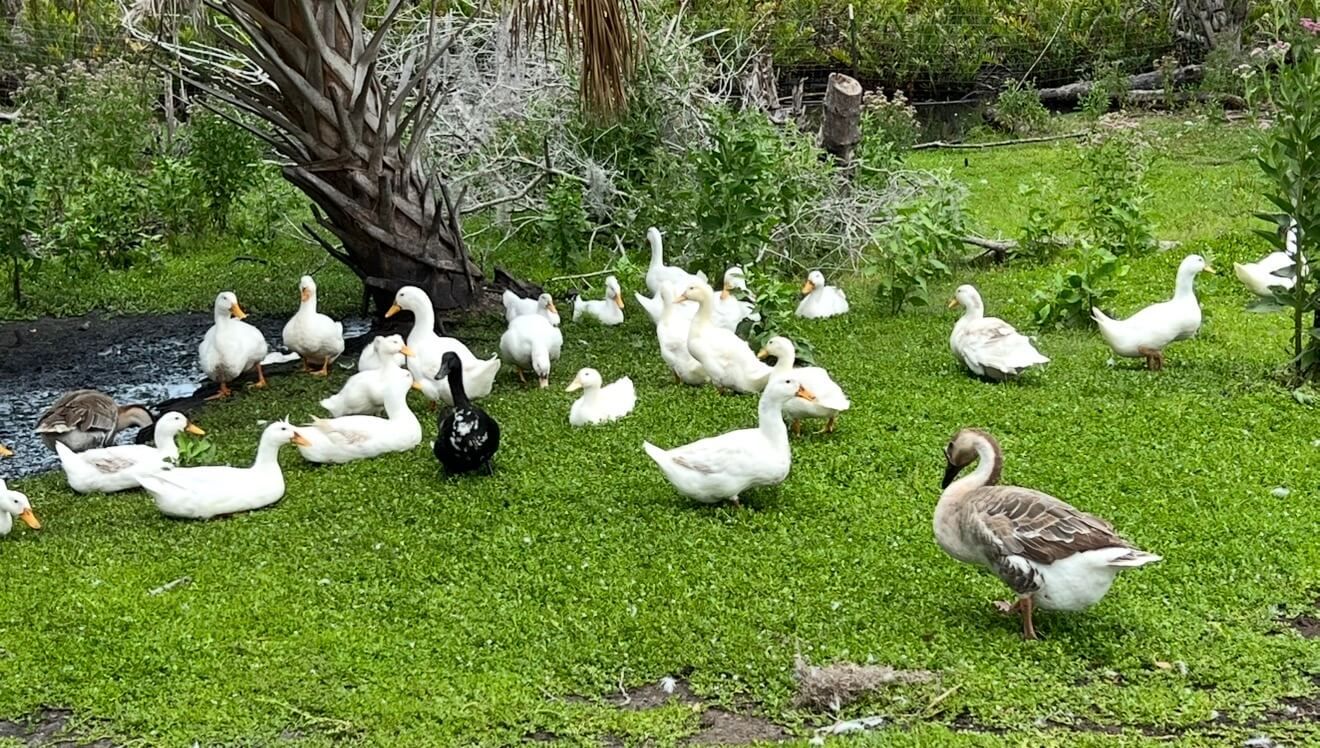
If the turkey ruled Thanksgiving, the Cotton Patch goose reigned across the South’s homesteads and fields. Named for its traditional role weeding cotton and corn rows, this rare breed once served as a dual-purpose bird — providing both meat and grease for cooking, while keeping crops clear of pests and weeds.
Developed in the southeastern United States, the Cotton Patch is one of the few distinctly American goose breeds. Adapted to the region’s hot, humid climate, it’s smaller than European geese but hardy, self-sufficient and exceptionally thrifty. Its calm nature and efficient grazing made it a staple on small farms throughout the 19th and early 20th centuries.
Cotton Patch geese are prized as practical farm helpers. They thrive on pasture with minimal supplemental feed, patrol fields effectively without damaging crops and integrate well into mixed-farm systems. Heritage breeders note their sharp instincts and gentle temperaments, making them reliable, low-maintenance companions for the barnyard. Once nearly extinct, Cotton Patch geese are now listed as “threatened” by The Livestock Conservancy. Their survival depends on small farmers who value sustainability and self-reliance. Beyond their utility, these geese carry deep cultural roots — a reminder of a time when every animal on the farm had a purpose.
Their lean, flavorful meat is prized for holiday roasts, with a rich, clean taste and just enough fat to create crisp, golden skin. Many breeders describe it as “the taste of history” — a celebration of Southern tradition and resilience.
Beyond the Table: Why Preservation Matters
Preserving heritage breeds is about far more than culinary quality — it’s about agricultural resilience. Industrial poultry lines are genetically narrow, leaving the food system vulnerable to disease outbreaks or environmental stressors. Heritage breeds represent a genetic reservoir of traits such as fertility, heat tolerance, disease resistance and maternal instinct — all essential for long-term sustainability.
In ecological terms, heritage breeds perform valuable roles within diversified farms. Pastured turkeys reduce pest loads, geese trim weeds and chickens aerate soil and recycle nutrients through natural scratching and manure. These behaviors mirror regenerative principles that restore ecosystems rather than deplete them.
Quick Facts
- Bourbon Red turkeys were recognized by APA in 1909; currently on The Livestock Conservancy’s “watch” list.
- Cotton Patch geese developed in the southeastern U.S.; listed as “threatened.”
- Heritage breeds reproduce naturally — no artificial insemination.
- Heritage meat has higher protein density and lower water retention than industrial lines.
The Livestock Conservancy currently lists more than 80 poultry breeds in various stages of risk — from “critical” to “watch.” Their conservation programs encourage small farms to integrate these breeds into active production, ensuring that preservation is sustainable through use rather than sentiment.
Bringing Heritage Home
Raising heritage poultry doesn’t require a large operation — just commitment and care. For aspiring keepers, experts suggest beginning with a small breeding trio or pair and learning the nuances of each species.
Tips for New Keepers:
Start small and steady. Heritage birds grow slowly and live longer — patience is key.
Choose reputable breeders. Look for flocks certified by the National Poultry Improvement Plan or registered with breed clubs.
Encourage natural behaviors. Provide outdoor space, deep litter and foraging areas.
Track genetics. Maintain records of lineage, hatch dates and performance traits to help sustain healthy breeding populations.
Educate others. Share your experience — photos, farm tours and local talks all help raise awareness about these irreplaceable breeds.
The reward is multifaceted: self-sufficiency, connection to history and the unmatched satisfaction of producing food that’s ethical, flavorful and meaningful.
Flavor that Tells a Story
Culinary experts note that heritage poultry yields meat with more texture and complexity, owing to natural exercise and balanced fat distribution. While commercial birds are bred for breast meat volume, heritage birds deliver deeper flavor through well-developed leg and thigh muscles. Their higher myoglobin content produces darker meat and a more nutrient-dense profile.
For chefs and home cooks alike, this means slower cooking — think roasting at lower temperatures, brining or even smoking — to bring out the best in the bird. The effort pays off with richer gravies, firmer slices and a taste reminiscent of a time when food had character, not just calories.
Celebrating Living History
Choosing a heritage breed for the holidays is both a culinary delight and an act of preservation. Every purchase from a small breeder, every farm that raises these birds, contributes to keeping agricultural history alive. The breeds that once built rural America can thrive again — not as museum pieces, but as productive partners in sustainable food systems.
As families gather this season, imagine the stories behind the meal — of farmers who chose preservation rather than profit, of birds that represent centuries of careful selection and of a food system that can still honor its roots. The holiday table becomes more than a feast; it becomes a bridge between past and future, reminding us that sometimes, the most sustainable choice is also the most delicious.











Chicken Whisperer is part of the Catalyst Communications Network publication family.