From Tobacco, to Flowers, to Poultry
Suttler Post Farm’s Story of Adapting to Keep the Farm in the Family

Miniature farms and small businesses dot the landscape along a windy, country road in Mechanicsville, Maryland. One of the signs points to Suttler Post Farm, highlighting the 90 acres of family-owned and farmed land.
John Mast’s father bought the land in 1950 for tobacco and hogs. In 1999, a government buyout ended tobacco production, forcing the family to find a new crop.
The 90 acres was split between the two Mast brothers. John kept 60 acres for farming; Wayne used the rest for Clydesdales.
John and Judy Mast wanted to keep the farm in agriculture, so they had to figure out a new crop.
“We were trying to make use of the farm because it’s not big enough to handle grain, and we wanted to keep it in farming and in the family,” Judy Mast said.
Fields of Flowers
They landed on cut flowers. Mast discovered the idea in a story about a New York florist seeking growers with a few acres.
“It was kind of like an internship where you aren’t really making anything, but you are learning something,” Mast said.
The partnership lasted about two years. When it ended, Mast began selling cut flowers at farmers' markets and quickly found success. Since then, the Masts have also built a strong following for their meat and eggs.
“Suttler Post Farm plays a key role in the vendor mix at our market,” Laura Barclay, Takoma Park Farmers Market’s manager, said. “Suttler is one of two vendors selling pasture-raised meat and eggs, and is the only vendor who sells chicken. Our customers count on them each week.”
Barclay also stressed the importance of local, fresh food to the Takoma Park community. This farmers’ market is the oldest producers-only market in the D.C. area, surpassing 40 years.
Longtime customer Andi Farbman has been buying from the Masts since they first joined the Silver Spring farmers market. She loves their products and shops with them every week.
“Judy’s flowers are extraordinary. Every bouquet she does looks like she is a florist,” Farbman said. “I also get my chicken from her every week. I know they take good care of the chickens, and it tastes amazing.”
Transitioning to Chickens
Mast loved growing flowers and still does, but she also began exploring less labor-intensive options, knowing she couldn’t physically manage 13 acres of blooms forever.
“We saw how well eggs were doing at the markets, so we transitioned into chickens, and at first, it was just selling eggs,” noted Mast. “Then the meat guy dropped out of the market, so we started doing that too. Lo and behold, now we are doing all three.”
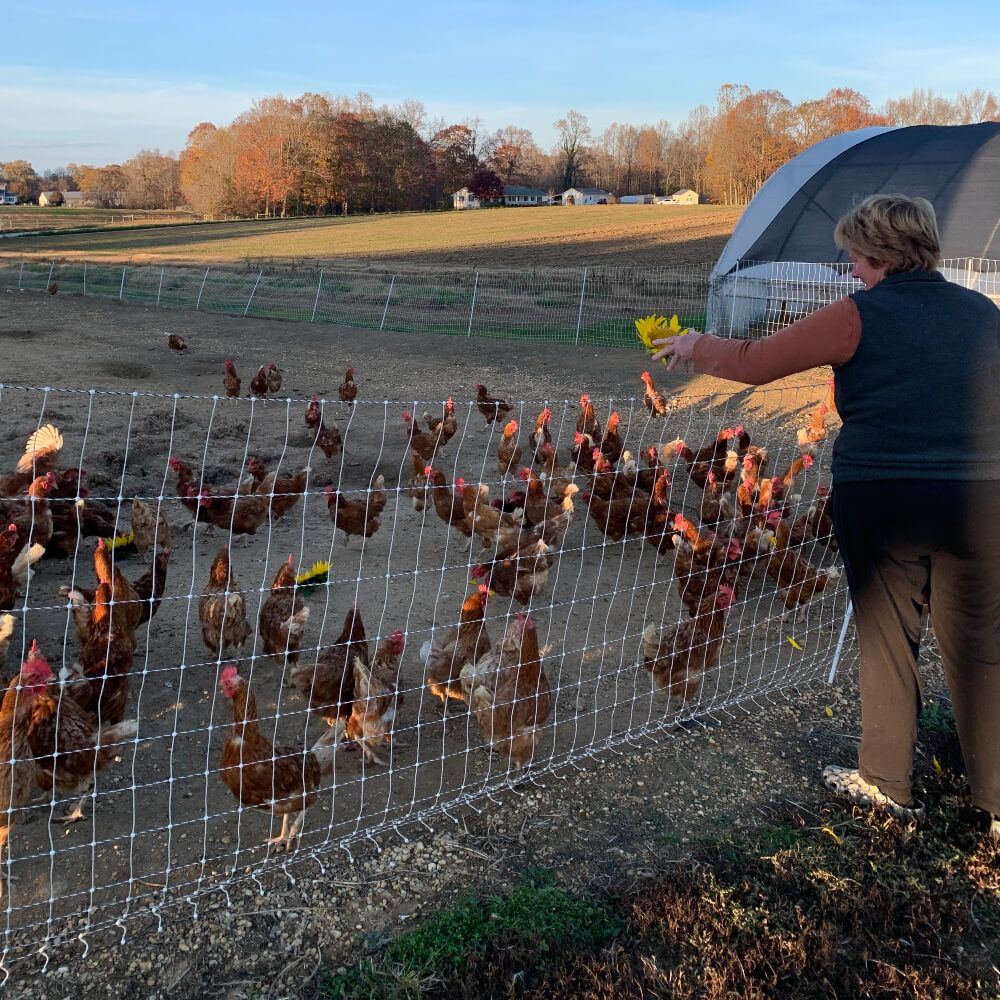
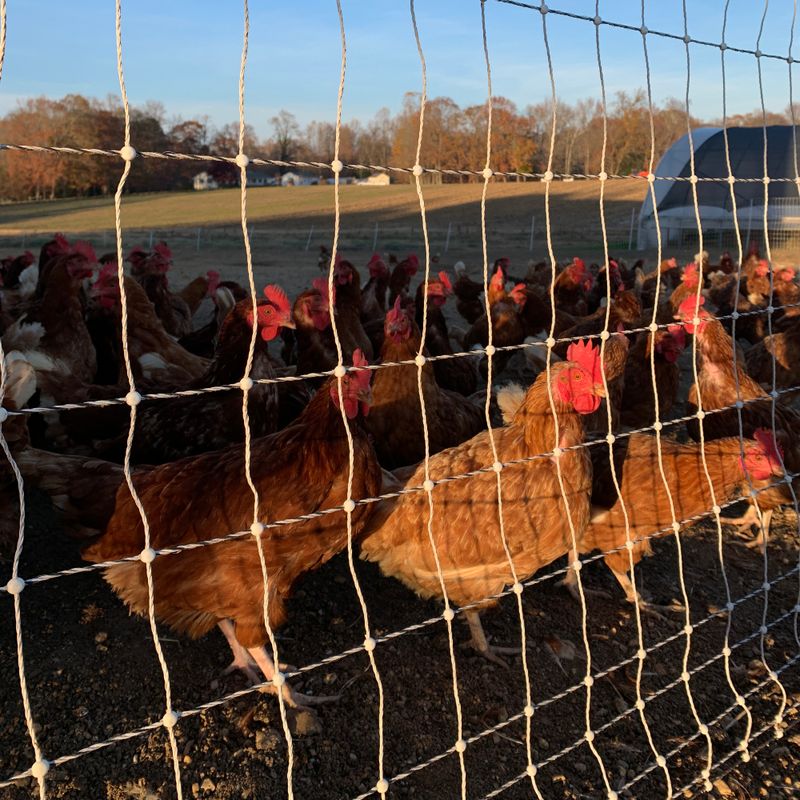
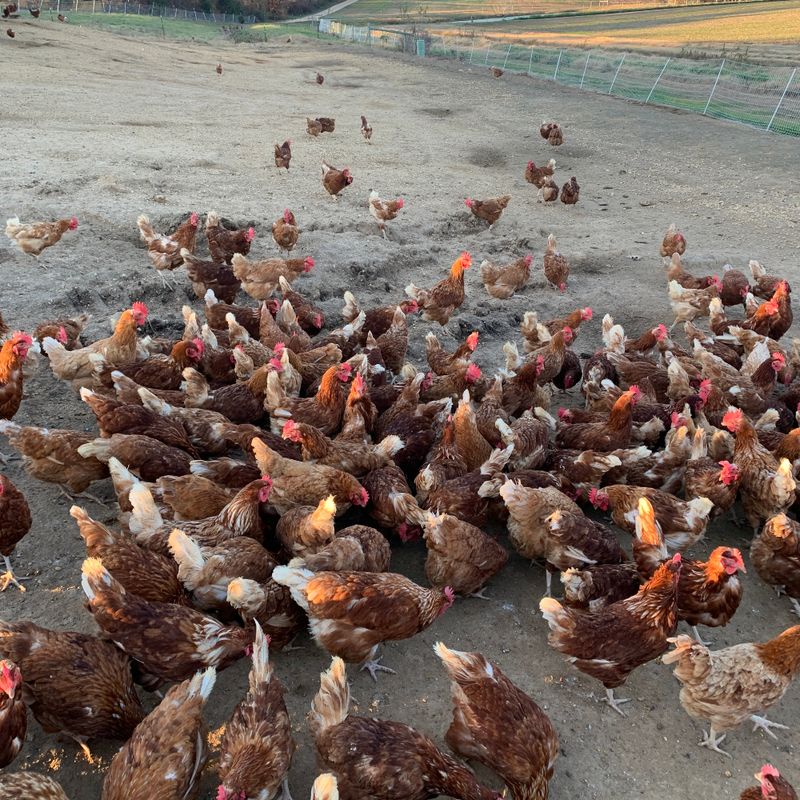
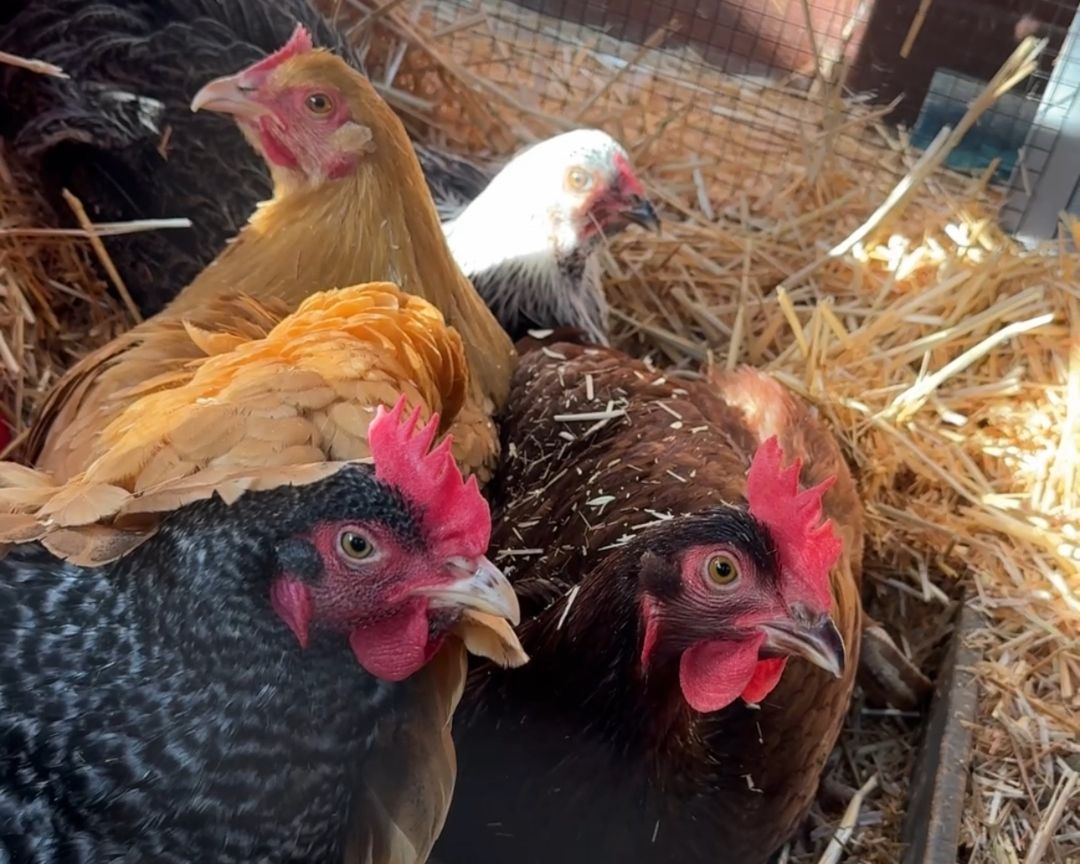
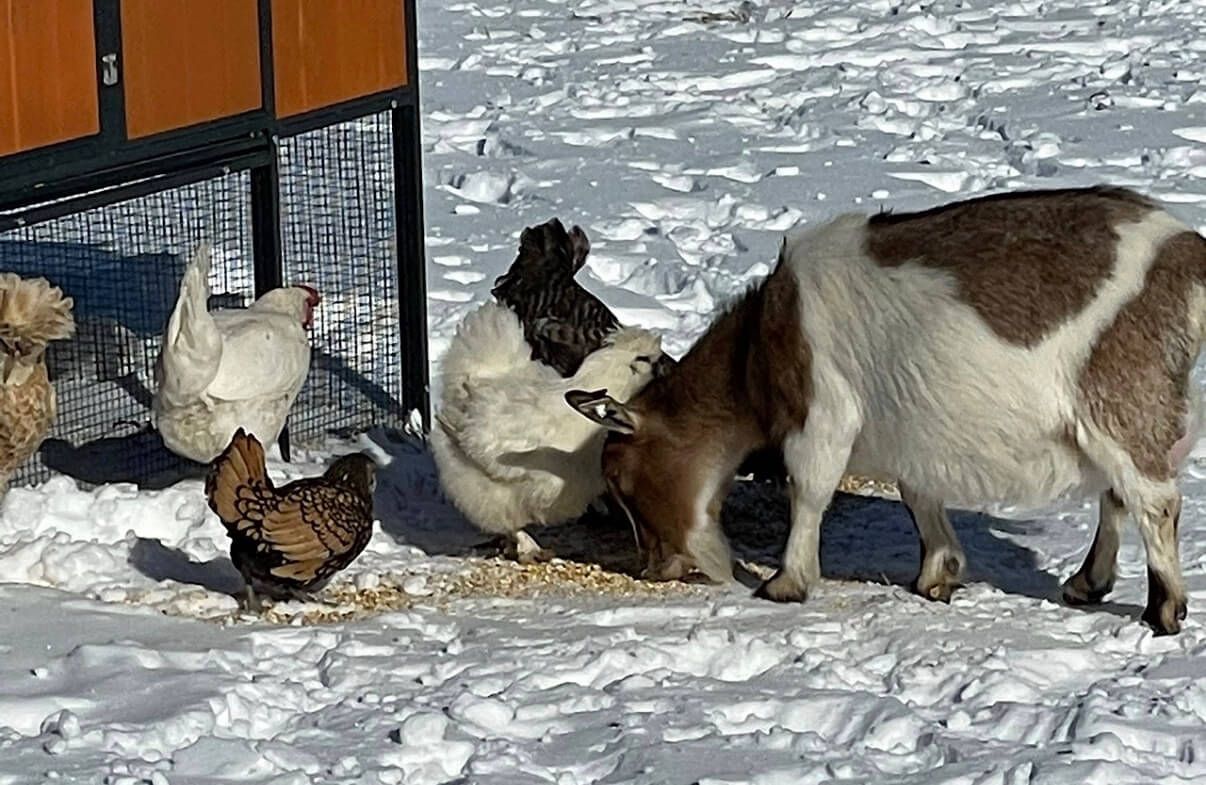
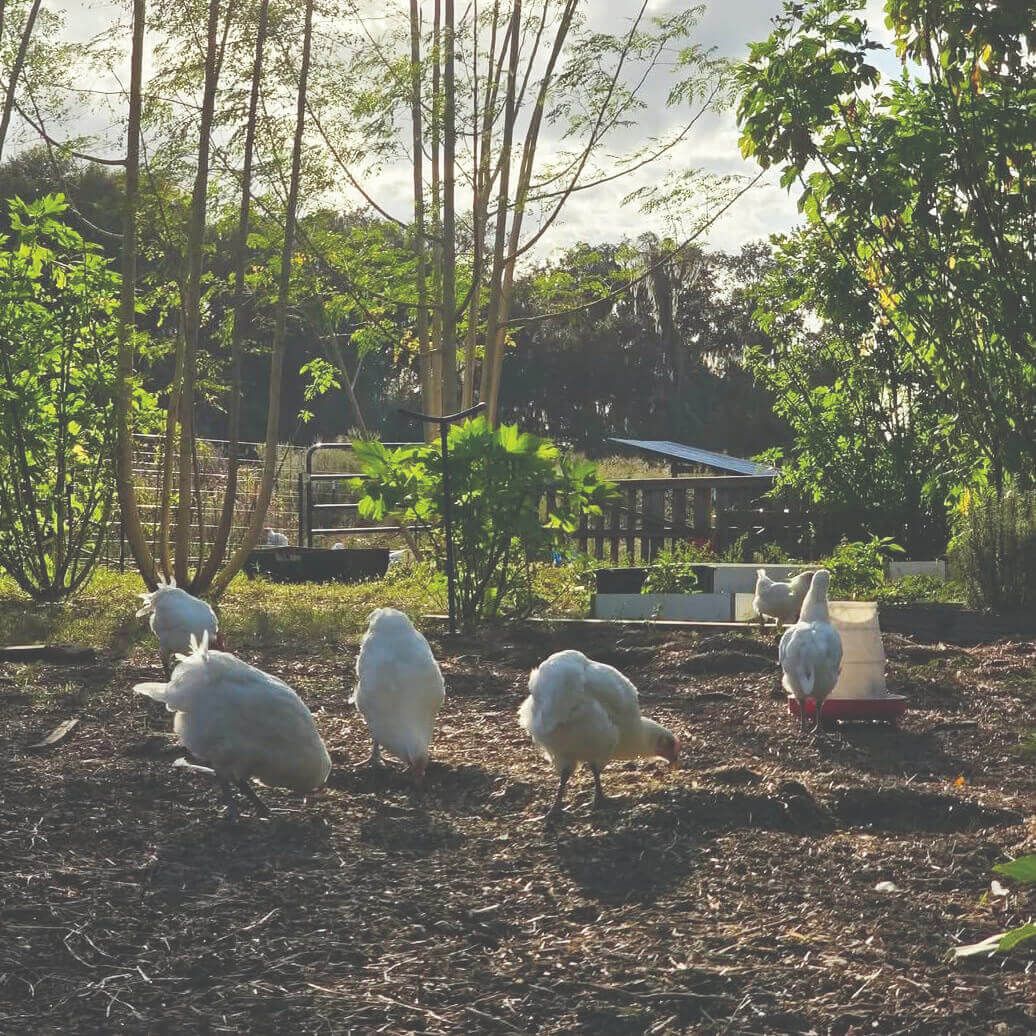
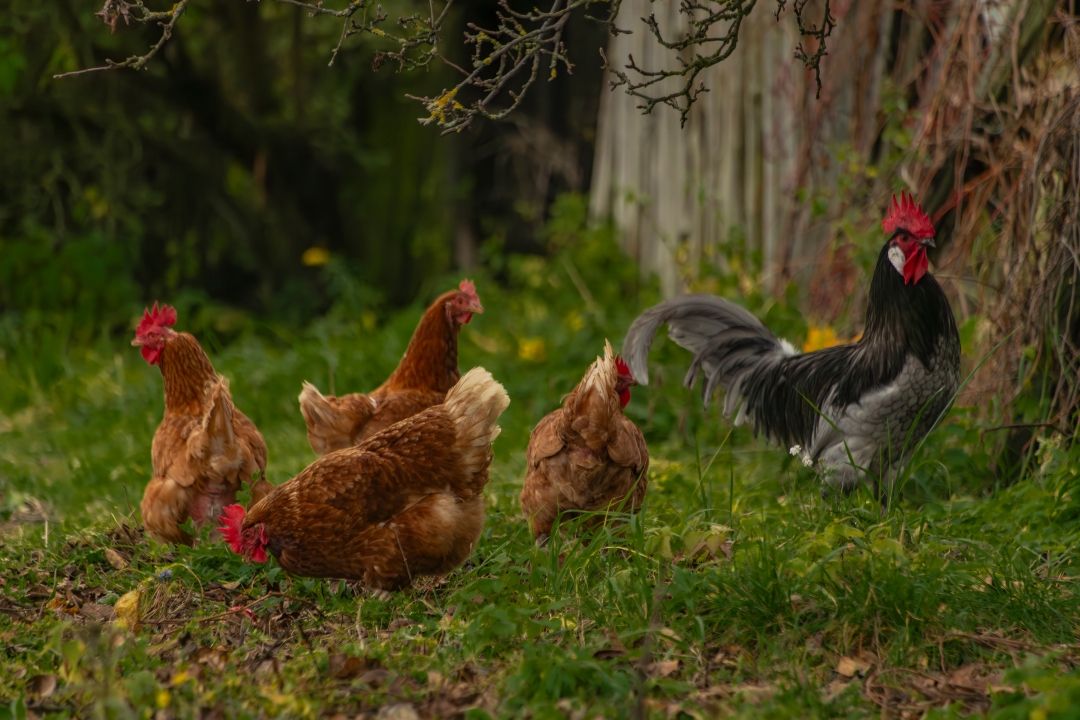
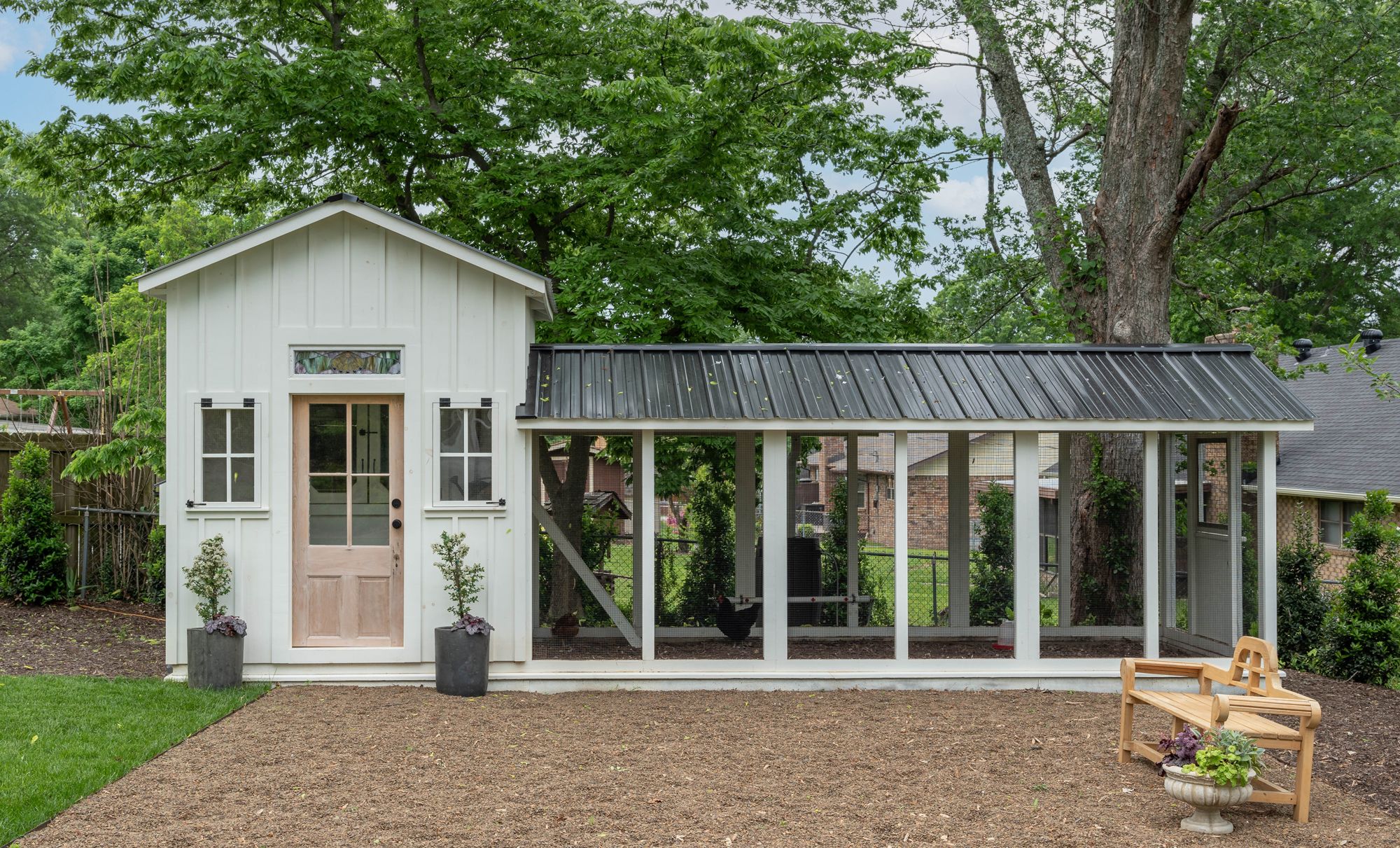
According to Mast, the chickens are easier to manage and more self-sufficient than the flowers. The Masts raise broilers for meat and keep laying hens for eggs. The hens roost safely in a barn at night, but also enjoy a large fenced area to roam and forage during the day.
“I like raising the chickens because I’m always here on the farm and it gives me something to do,” Mast said. “I go up there every day. It’s no stress.”
The Masts only raise a new batch of broilers once their supply runs low, roughly every six months, because the chickens grow very quickly. It takes about six to eight weeks to get the chickens to three and a half pounds, which is when they are taken to the butcher. Mast said they sell them as fast as they can get the chickens raised.
The hens lay all year, and the flock is replaced in the spring. Certain years call for a second flock replacement, but usually the new flock comes once a year in February. New flocks overlap old ones for two weeks to adjust and begin laying. Mast said the travel makes them nervous and can impact laying.
Chickens arrive at 16 weeks and start laying by 20 weeks. Small eggs early on grow to full size by 24 weeks, and the old flock is sold wholesale.
Not Your Grocery Store Dozen
Eggs sell well at weekend markets, and sales surged during the nationwide egg shortage caused by bird flu.
“Our chickens weren’t sick, so we were selling eggs like crazy,” Mast said. “When big chicken houses get a sick flock, you aren’t talking about a thousand sick chickens; you are talking about a million, so the big houses are put out of commission.”
The shortage drove up grocery prices, but small farms such as Suttler Post aren’t usually affected by such illnesses.
Grocery store eggs can also be misleadingly marketed. Labels such as “cage-free” or “grass-fed” don’t guarantee chickens actually graze outside. Many never see sunlight, and almost all eat grass alongside their feed.
“When they put cage-free on the boxes, that doesn’t mean they aren’t housed in a building, it just means they are not in a one-by-one cage,” Mast said.
“Even if you buy something from Whole Foods like ‘free-range’ or ‘organic’, I would trust Judy and John over that,” Farbman added. “They are terrific people to deal with, and I have trust and confidence in our relationship over all of these years. They’ve never let me down, and I cannot say that about the grocery store.”
Forming a Legacy
Suttler Post Farm sells their eggs and meat at the farmers’ markets year-round. Spring and summer are the busy seasons, but having the markets continue through fall and winter is helpful to the family.
“Even though it slows down in the winter, we still have eggs we need to sell,” Mast said. “It’s nice the market is year-round because it helps pay the bills and keeps the chickens fed.”
During the busy months, neighbors and family members will come to help with harvesting flowers and working around the farm.
“For doing everything handmade, the amount of consistency they have is extraordinary,” Farbman said. “Even grocery stores have problems, and Suttler Post Farm doesn't. In a grocery store, you don’t know who raised it or what they did, so it’s a great experience buying from John and Judy.”
Even though they produce flowers, eggs and meat, Mast said it’s all just a part of their life.
“It’s just what we do, everything has evolved around it,” Mast said. “We’ve done it so long, it’s a part of our life.”
Most of the family lives on the farm, even if they have jobs off the farm. The Masts want the farm to stay in the family and are hoping their son will take it over down the road. That way, it would stay in the family and continue evolving throughout the years.
Tags:Featured










Chicken Whisperer is part of the Catalyst Communications Network publication family.